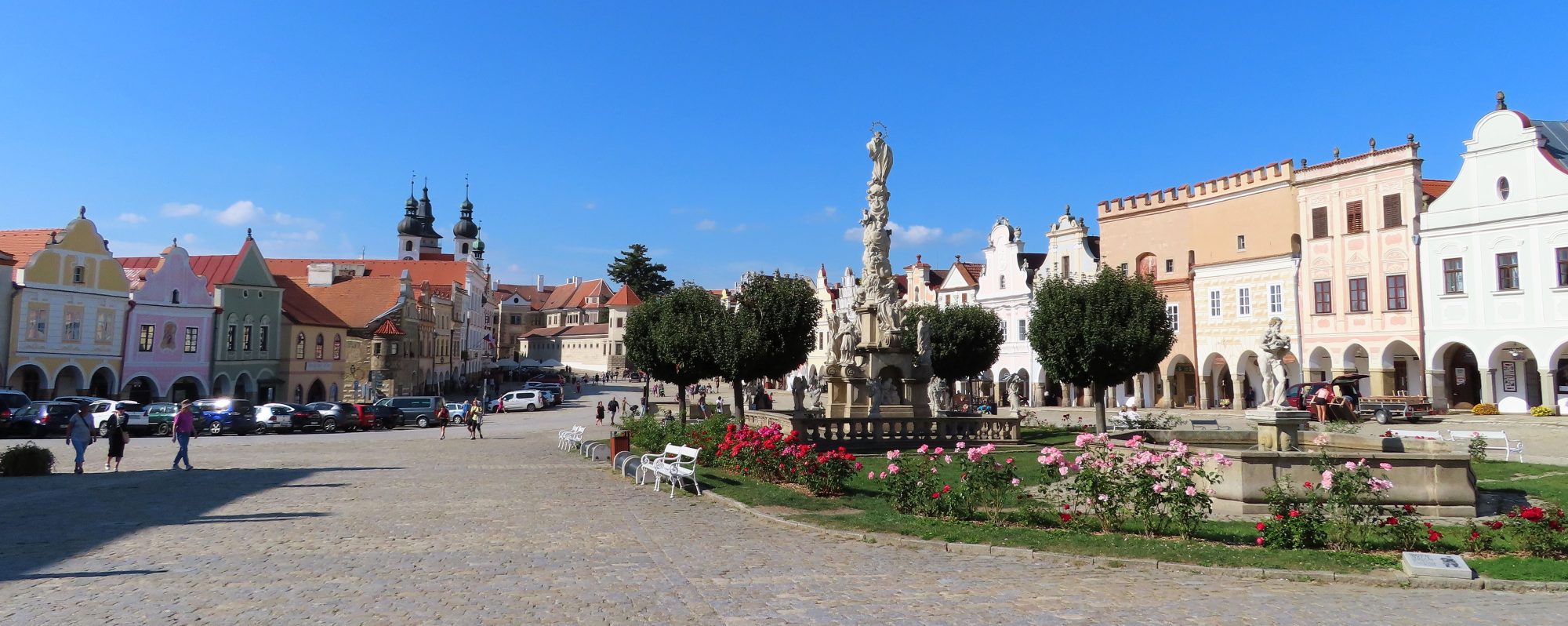
The Vegetable Market section of Brno’s Christmas markets
Holiday Cheer in South Moravia!
On November 21 of 2025, the Brno Christmas markets officially opened for business. The markets will operate until December 23 and you can visit the official Brno Christmas Market website to get a full picture of what’s there.
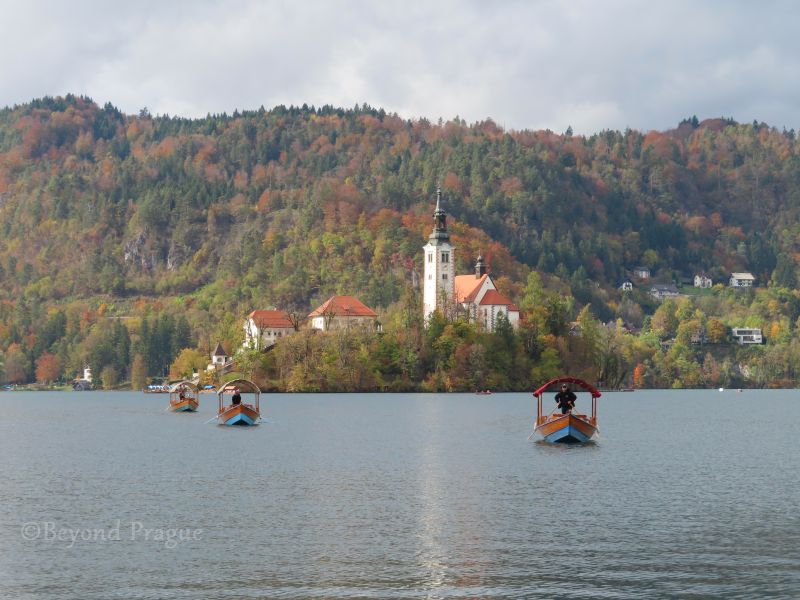
The Church of the Assumption of Mary, located on Lake Bled.
South Slavic Splendour
Towards the end of October 2025, we spent a week in Slovenia. This article offers an example of what you can do in this small but vibrant country in five days.
It was our first visit, and Slovenia left an excellent impression on us. We’d happily return to see more. Although the country covers only 20,271 square kilometres (7,827 square miles), there’s an incredible amount packed into that small area. From a tourism perspective, Slovenia truly is the definition of good things coming in small packages.
Our hotel was in the capital, Ljubljana, and our trip was a mix of business and pleasure. For the first couple of days, my girlfriend, Jana, attended business meetings, which gave me the opportunity to visit a few places she wasn’t particularly interested in. By mid-week, her meetings were done, and we were officially on holiday together.
Excluding travel days, we had five full days to explore. Here’s what we managed to do in that time:
The Una class submarine is an example of the former Yugoslavia’s ability to develop its own military gear.
Day One: The Founding of a Nation
After breakfast at our hotel, I made my way to Ljubljana’s train station and boarded a train for Pivka — a small town about an hour and a half southwest of the capital.
My destination was the Military History Park (Park vojaške zgodovine). The park features a well-organized collection of military vehicles and artefacts spanning from the Second World War to Slovenia’s independence in 1991.
More than just a military museum, the park offers an engaging way to learn about the Yugoslav resistance during the war, the rise and fall of Yugoslavia through the Cold War, and the emergence of modern Slovenia after its dissolution. One of the most fascinating exhibits is a walk-through timeline that illustrates these events in context.
The park also presents the Non-Aligned Movement, a nuanced element of the Cold War that Yugoslavia helped pioneer. This movement provided countries seeking self-determination with an alternative to strict alignment with either the Eastern or Western Blocs — offering greater flexibility in trade and development.
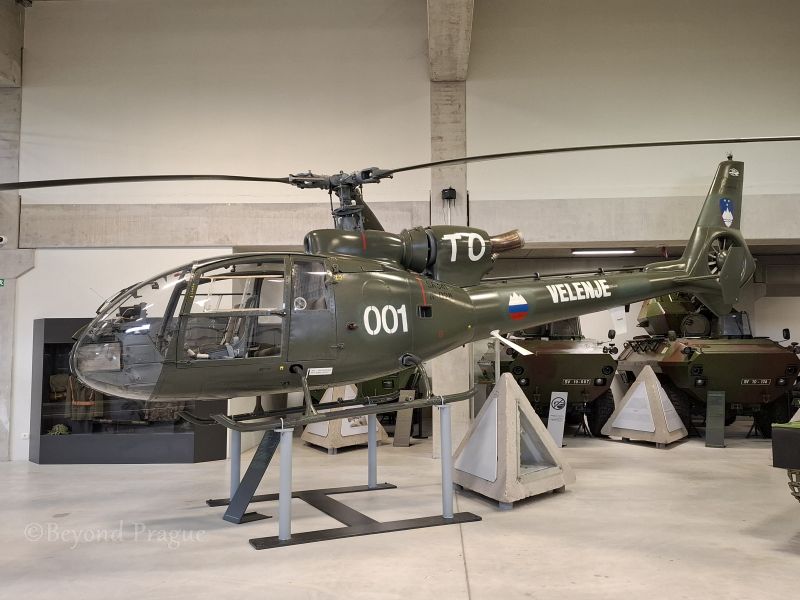
The French designed Gazelle helicopter is an example of western technology that Yugoslavia could access due to its non-aligned stance. Many Gazelles were license built in Yugoslavia.
The collection includes equipment from both sides of the Iron Curtain, along with a significant amount designed and built in Yugoslavia itself. The main complex — consisting of three display pavilions, a central building, and an outdoor area — easily warrants two or three hours of exploration.
A walking trail also leads to remnants of the Alpine Wall, a line of fortifications built by Italy before the Second World War. According to the park’s website, the walk takes about 40 minutes, but I didn’t have time to include it in my visit before catching my return train to Ljubljana.
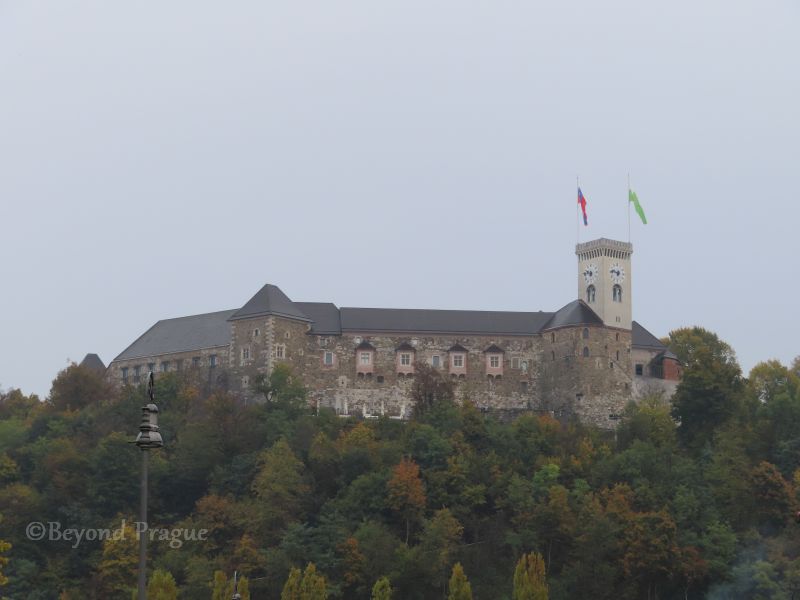
That evening, at Ljubljana Castle, We attended an informal meet-and-greet connected to Jana’s meetings. The event provided a stunning nighttime view of the capital and a chance to sample some very good Slovenian wine.
If you’re a wine lover, I highly recommend trying a glass or two of the local varieties while in Slovenia.
Ljubljana Castle seen from the city centre.
Day Two: Ljubljana Walkabout
After breakfast, I accompanied Jana to her conference venue and joined a guided walking tour of Ljubljana arranged for delegates’ partners. The two-hour, 6.5-kilometre walk was leisurely, as the city is mostly flat.
Our guide was knowledgeable and offered great insights into the city’s history and architecture. The historic centre features impressive Baroque and Secessionist buildings. The Baroque character stems from a reconstruction following a 1511 earthquake, while the Secessionist style developed after another major quake in 1895.
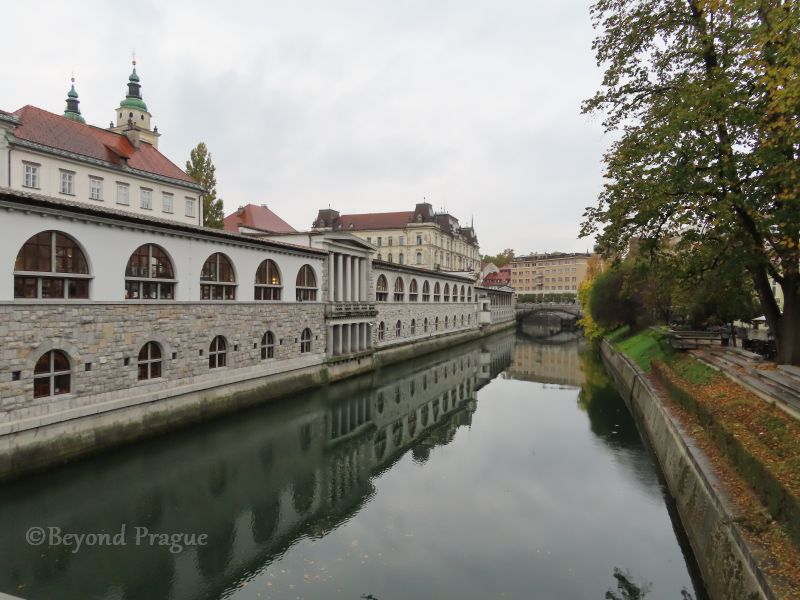
Viewing the Ljubljanica river enbankments and Triple Bridge, both the work of Jože Plečnik.
Much of Ljubljana’s Secessionist architecture is credited to local architect Jože Plečnik (1872–1957), whose influence on the city has been compared to that of Antoni Gaudí on Barcelona. Notable Plečnik works include the Ljubljanica river embankments, the Triple Bridge, the Ljubljana Central Market, the National and University Library, and Žale Central Cemetery.
Plečnik also left his mark in Prague and Vienna. Most notably serving as chief architect for the renovation of Prague Castle from 1920 to 1934. Another of his notable works in Prague is the imposing Church of the Most Sacred Heart of Our Lord in the city’s Vinohrady district.
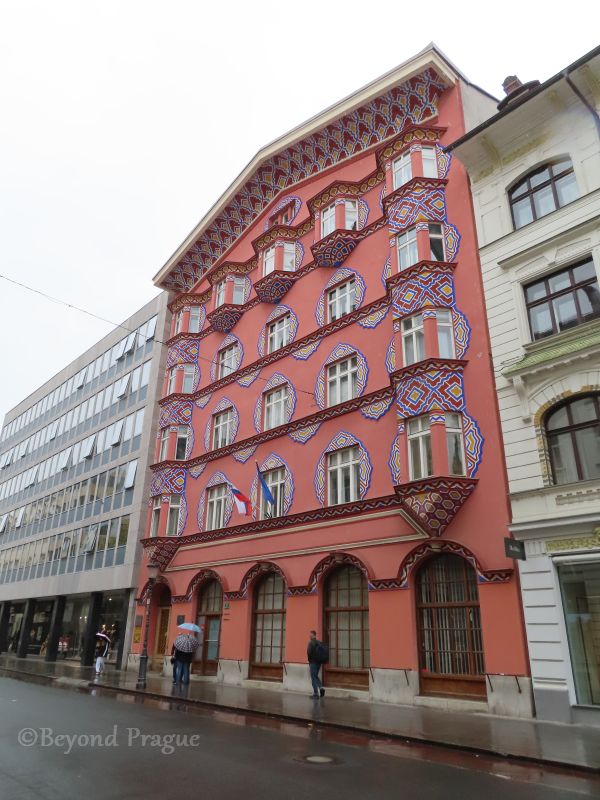
The Cooperative Business Bank building, designed by Ivan and Helena Vurnik.
Another highlight of Ljubljana’s Secessionist style is the Cooperative Business Bank, designed by Plečnik’s contemporary Ivan Vurnik (1884–1971). While Plečnik adhered strictly to the style’s principles, Vurnik experimented more, blending Secessionist form with Slovenian folk motifs. Together with his wife, Helena (1882–1962), he designed the bank building in 1921. Its façade, painted in Slovenia’s national colours and patterned with folk-inspired designs, makes it one of the city’s most striking landmarks.
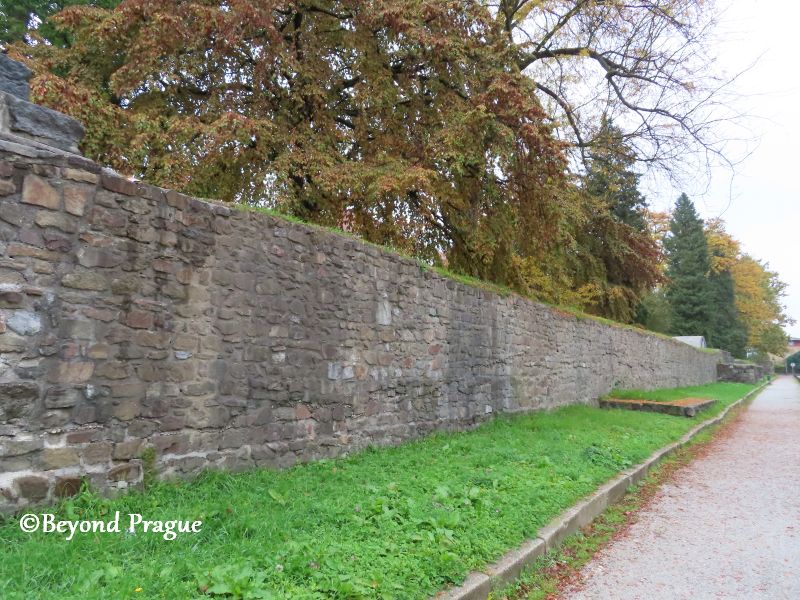
Our guide also introduced us to remnants of Emona, the Roman settlement that stood where Ljubljana is today. Founded around 50 BC, Emona grew from a military outpost into a town of about 5,000 to 6,000 residents before being destroyed in 452 AD. Traces of the ancient city remain scattered across modern Ljubljana.
Remnants of the walls of Emona
The walking tour ended around lunchtime, after which I returned to the hotel for a rest and a light meal. Later, I revisited several sites from the tour, picked up postcards at the tourist information office, and explored a few spots we hadn’t covered.
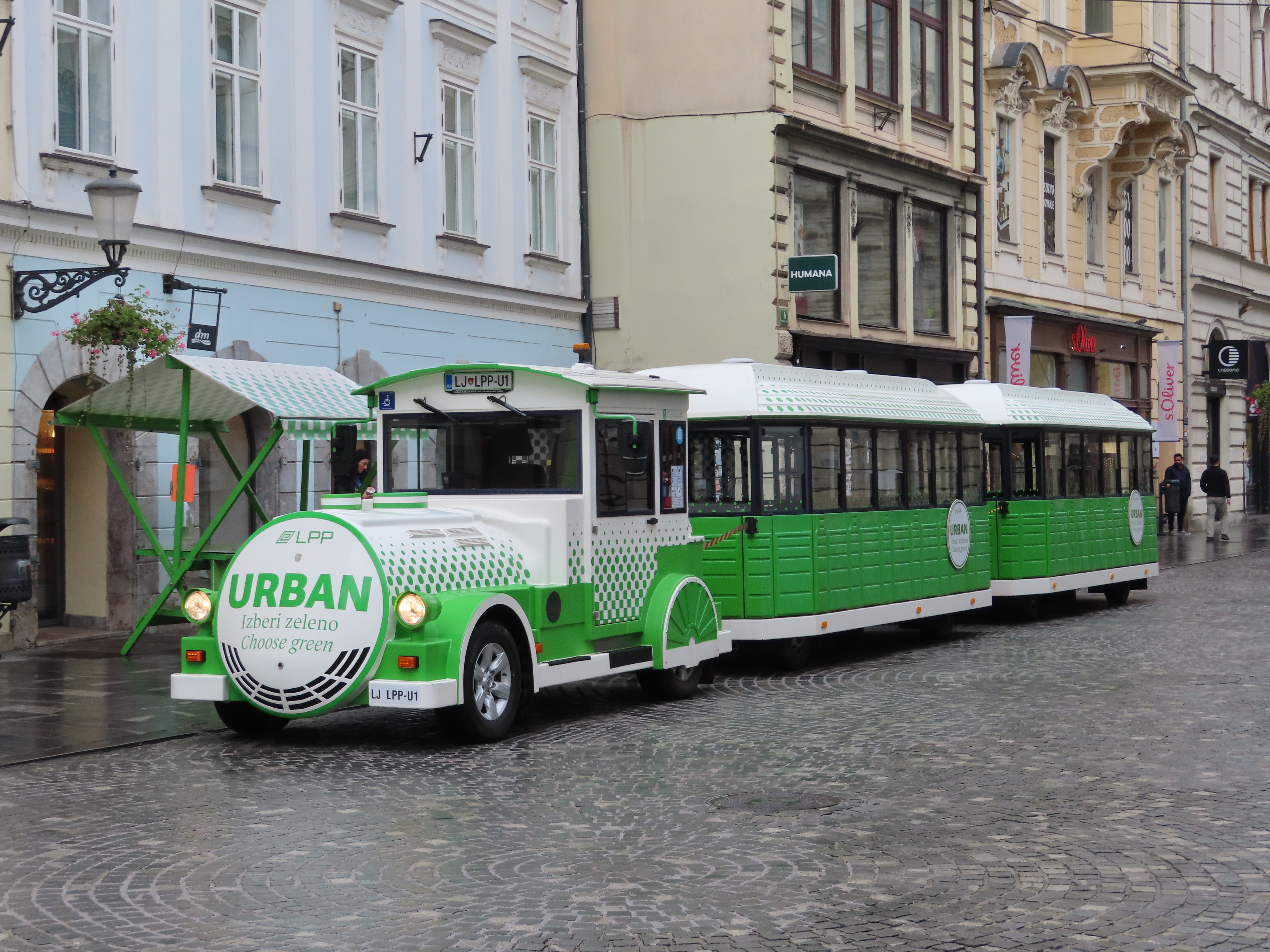
Ljubljana is compact, flat, and easy to navigate — ideal for walking or exploring via the small electric tourist train that circulates through the city centre.
Distinctive pletna boats waiting to ferry tourists across the lake to Bled Island.
Day Three: Lake Bled
By the third day, Jana’s meetings were finished, so we enjoyed a slow morning before joining a bus excursion to Lake Bled, one of Slovenia’s most famous destinations.
Located in the northwest of the country, it took our bus about 40 minutes to reach Bled from Ljubljana. I was immediately struck by the clarity of the lake water and pristine environment. For as popular as the area is, it certainly does not bear the scars of being overappreciated.
We boarded traditional pletna boats to reach Bled Island, home to the picturesque Church of the Assumption of Mary. After exploring the island for about half an hour, we continued to Bled Castle, perched on the opposite shore. Said to be Slovenia’s oldest castle, it now serves as a museum and vantage point with spectacular views of the lake, island, and Alps beyond.
Though our group’s schedule was tight, I would have loved to spend more time wandering the lakeside and surrounding trails before returning to Ljubljana for a formal dinner that evening.
The electric tourist train that you can use to tour the centre.
Day Four: Lazy in Ljubljana
Knowing our final full day would be a demanding one, we took this day slowly.
We strolled from our hotel to the city centre, browsed a few souvenir shops, and boarded the small tourist train for a one-hour sightseeing circuit. Tickets cost €12 per adult and include disposable earphones for recorded commentary in about 20 languages, accompanied by a video presentation.
The train makes a couple of stops — including Ljubljana Castle — where passengers can disembark, explore independently, and rejoin a later train.
A small word of caution: the train’s entryways are narrow and legroom is limited. If you’re tall or broad-shouldered, you might prefer to explore on foot instead.
Predjama Castle
Day Five: Caves and Castles
On our last full day, we travelled 40 minutes southwest of Ljubljana with a small group to visit Postojna Cave Park, which includes Pojstona Cave and Predjama Castle.
We began at Predjama Castle, dramatically built into a mountainside — an architectural marvel and a formidable medieval fortress. The self-guided tour provides audio commentary in multiple languages via a handheld device.
The castle’s interior is practical and austere, reflecting its defensive purpose. Constant moisture seeps through the rock, so it’s easy to see why luxuries would not have lasted here. A natural shaft, enlarged in the 15th century, served as a secret passage for supplies during sieges. From the watchtower, visitors can enjoy breathtaking views of the valley below.
Tips for visiting Predjama Castle:
Expect many staircases; it is not accessible for visitors with mobility challenges.
Surfaces can be wet and slippery — sturdy shoes with good grip are essential.
A view of the Postojna Cave
After the castle, we made our way to the Postojna Cave, the second largest cave system in the country. The first stage of the cave tour is done by a small train and lasts for 15 to 20 minutes. It takes you through some very nice areas and prepares you for the more spectacular parts to come.
The next part of the tour a guided walk that follows a path of about 1.5 kilometres through some truly amazing rock formations.
If you’re lucky, you might spot an olm — a blind salamander endemic to the region. While the path is paved and treated for traction, we found the inclines a bit more strenuous than the website’s “easy” rating suggested.
Practical advice:
The cave maintains a steady temperature of 10 °C (50 °F), so warm clothing and good shoes are recommended.
Visitors with mobility needs should review accessibility details on the official website carefully, as there are specific requirements for wheelchair access.
Here be dragons! The dragon is the symbol of Ljubljana. This is one of four dragons that guard Dragon Bridge in the city centre.
Visiting Slovenia and Learning More
This trip was our first visit to Slovenia, and I certainly hope to visit again.
Getting there depends on your starting point. The country is accessible by air, land, and sea. Travelling from Brno, Czech Republic, rail was the most practical option for us. We took a Czech Rail train from Brno, transferring to a Slovenian Rail train in Graz, Austria. The journey took about eight hours and was comfortable and stress-free.
To learn more about the destinations mentioned here, the following websites are helpful resources:
A view into the Libenský Colonnade, one of the places you can access Poděbrady’s spring water.
Hearts and Bones
Poděbrady is a city of about 15,000 people located roughly 40 kilometres east of Prague. It sits on the Labe (Elbe) River and is one of the Czech Republic’s many spa towns.
The first mineral springs were discovered in 1905, and the first spa opened three years later, in 1908. From its founding, Poděbrady quickly built a reputation at home and abroad for high-quality spa treatments.
Most spa towns specialize in treating particular bodily systems. In the case of Poděbrady, those are the cardiovascular and musculoskeletal systems. The healing waters here are noted for their alkaline nature and high levels of carbon dioxide, sodium-calcium chloride, and iron. There are 12 public taps around town where you can freely sample the spring water. A bottled version, Poděbradka, is widely available for purchase across the country.
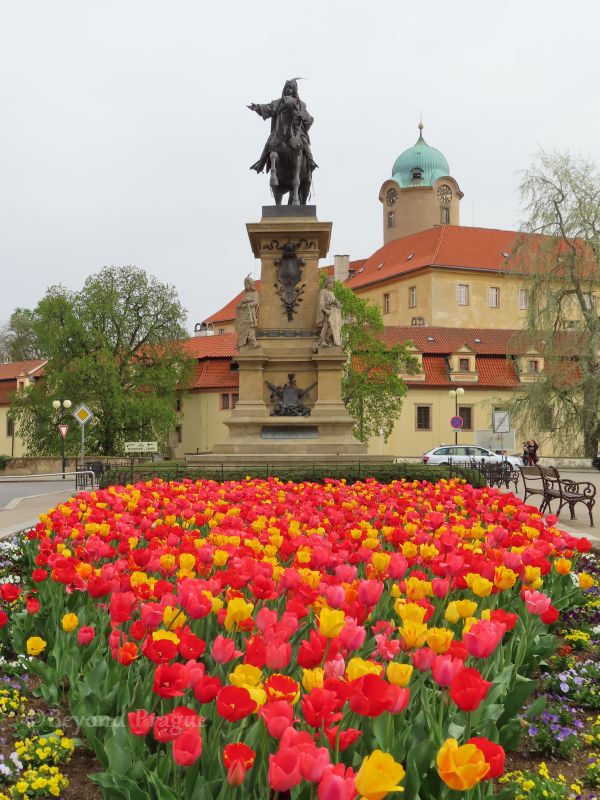
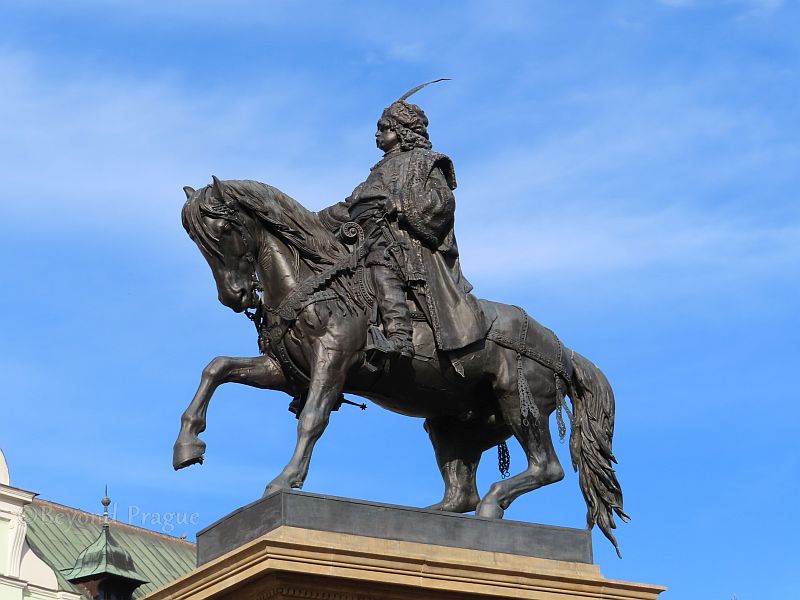
Statue of George of Poděbrady with the town castle behind.
Life Before the Spas
While the discovery of mineral springs and the establishment of spas gave Poděbrady prominence going into the 20th century, the town was well known long before that.
The first written mention of Poděbrady dates to 1223. It was a popular retreat for the Bohemian nobility thanks to its rich hunting grounds and proximity to Prague.
In the 1260s, Poděbrady became the property of King Otakar II of Bohemia after the previous owner died without heirs. Under Otakar II, the town’s castle was built.
The town remained under crown ownership until around 1350, when King Charles IV gifted it to the noble House of Kunštát. Around this time, the Poděbrady branch of that family line was established.
The most significant historical figure associated with the town, Jiří z Poděbrad (George of Poděbrady), was born here in 1420. He ruled as King of Bohemia from 1458 until his death in 1471. George was an outstanding diplomat and the first ruler to attempt to create a peaceful union among Europe’s monarchs. Although his plan did not succeed, it foreshadowed later efforts to unite Europe—culminating centuries later in the creation of the European Union in 1993.
George ruled at a time when Bohemia was religiously divided between the Hussite movement and the Catholic Church. Though he was a Hussite, he is remembered as a moderate and tolerant ruler who encouraged peace between the two sides. This earned him the nickname “King of Two Peoples.”
Another angle on the George of Poděbrady statue.
The town was elevated to city status near the end of George’s reign and continued to flourish under subsequent rulers until the 17th century, when the Thirty Years’ War brought devastation as Swedish and Saxon armies invaded the area.
Poděbrady’s appearance changed significantly after a major fire in 1681. Many wooden buildings, including the town hall, were destroyed and replaced with brick structures. Around the same time, the city walls were demolished and the moats filled in.
Empress Maria Theresa Habsburg visited Poděbrady several times during her reign. Between 1752 and 1757, she ordered the castle to be renovated to accommodate herself, her husband, and their entourage.
When Maria Theresa’s eldest son, Joseph II, inherited power, he converted the castle into a residence for retired officers of the imperial army.
The city experienced a brief downturn after fires in 1800 and 1832. The Poděbrady estate was later purchased, in 1840, by Austrian-Greek businessman and banker Georgios Sinas (1783–1856), under whom the city began to prosper again.
Sinas’s great-granddaughter, Princess Charicléa of Hohenlohe-Schillingfürst (née Ypsilanti), took up residence in the castle in 1885 with her husband. Their legacy was one of charity and compassion for the poor. The princess established a local fund for those in need, often used the castle kitchen to prepare meals for them, and founded an orphanage in the city. The couple owned the castle until the princess’s death in 1912, and they were its last private owners.
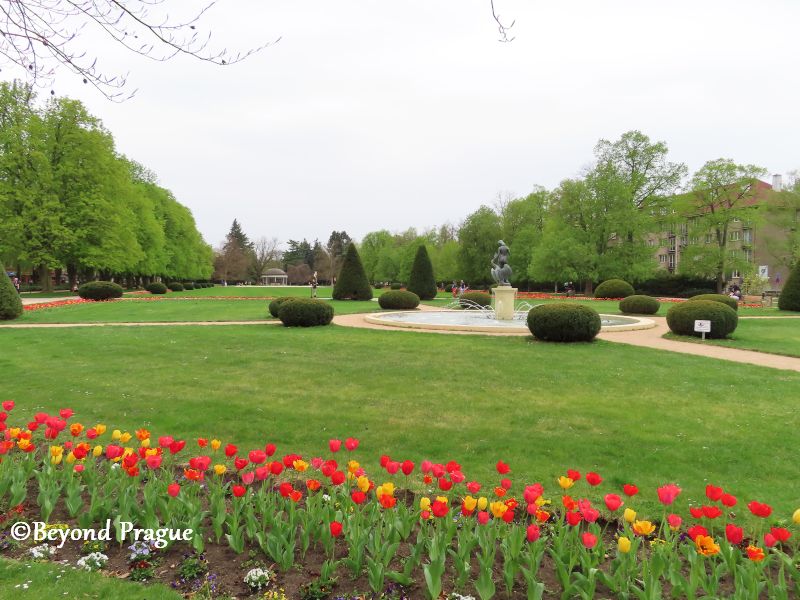
Looking across T. G. Masaryk Square to Lázeňský Park and Libenský Colonnade
A Feel for the Place
As one might expect of a spa town, Poděbrady feels relaxed and unhurried. While it has a basic public transport system, it’s a city best explored on foot.
If you arrive by rail, the first attraction you’ll see is T. G. Masaryk Square, located directly across from the train station. The square connects to Lázeňský Park, forming a lovely green corridor between the station and the city centre. At the junction of the square and park, you’ll find the eye-catching Libenský Colonnade, one of several spots where you can sample the mineral spring water.
This is just one example of the abundance of green space in Poděbrady. The city offers several other parks, as well as walking and cycling trails along both banks of the river.
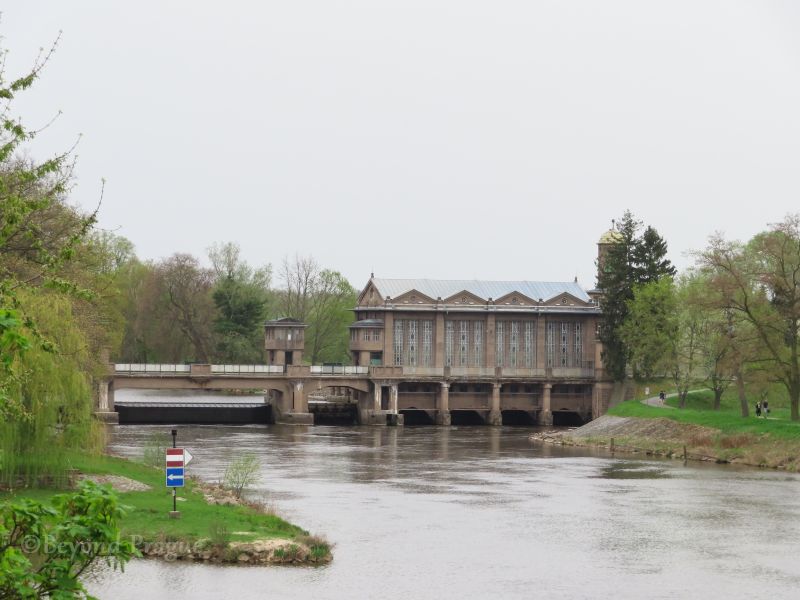
The historic hydroelectric power station
The area around the Labe is particularly pleasant, with pedestrian walkways on each side. While strolling along the river, you’ll also come across the historically important hydroelectric power station, built between 1914 and 1919 and still in operation today.
The power station, built in the Neoclassical style, has been listed as a national cultural monument since 2012 and is protected as part of the Czech Republic’s industrial heritage.
A walk along the city side of the riverbank will take you past a number of small pubs and cafés, as well as the dock for a riverboat that cruises between Poděbrady and Nymburk, the main city in the region.
The opposite bank offers scenic views of the castle, along with access to natural areas and a nearby lake.
View of the castle from across the river.
To the Castle
Poděbrady Castle dates to the reign of King Otakar II in the late 13th century, when he ordered a stone water fortress to replace the wooden structure that had previously stood on the site.
In its early days, the fortress defended Prague from attacks coming from the east and northeast and controlled a strategically important crossing on the Labe River. During the Hussite Wars (1419–1434), the castle was unsuccessfully besieged in 1420 and again in 1426.
Like many Czech castles, Poděbrady’s evolved over the centuries from a practical fortification into a residence for the nobility.
Emperor Ferdinand I (1503–1564) ordered the castle to be rebuilt in the comfortable Renaissance style as a hunting lodge. It was damaged during the Thirty Years’ War (1618–1648) and declined in importance thereafter.
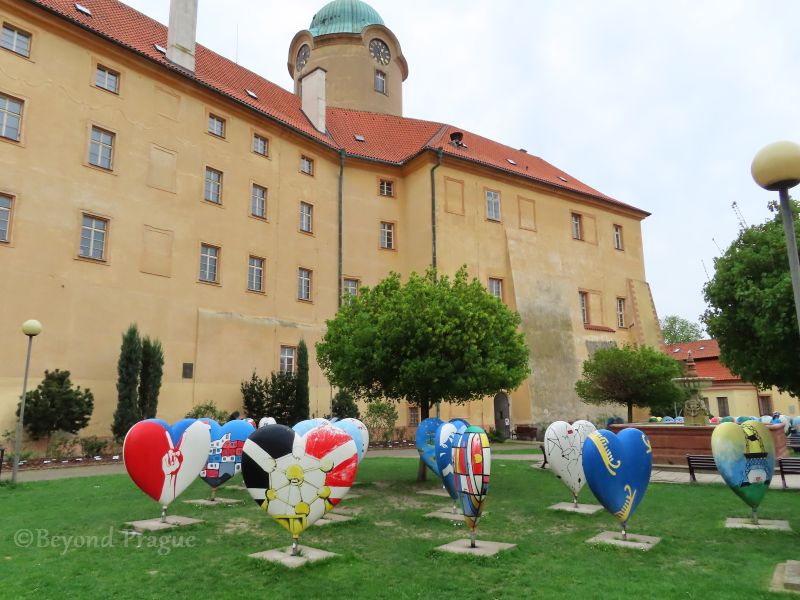
Heart themed art installation in the castle courtyard.
As noted earlier, Maria Theresa Habsburg later ordered another reconstruction, this time in Baroque style—a face the castle retains today.
Despite these transformations, the castle still presents a massive, formidable silhouette along the river.
Guided tours are available, including one dedicated to the legacy of George of Poděbrady, who was very likely born within its walls. During opening hours, visitors can freely enter the castle courtyard, where a permanent art installation features several heart sculptures, each decorated with motifs representing a nation of the European Union. The installation commemorates George’s early vision of European unity and celebrates the city’s long-standing connection to heart health.
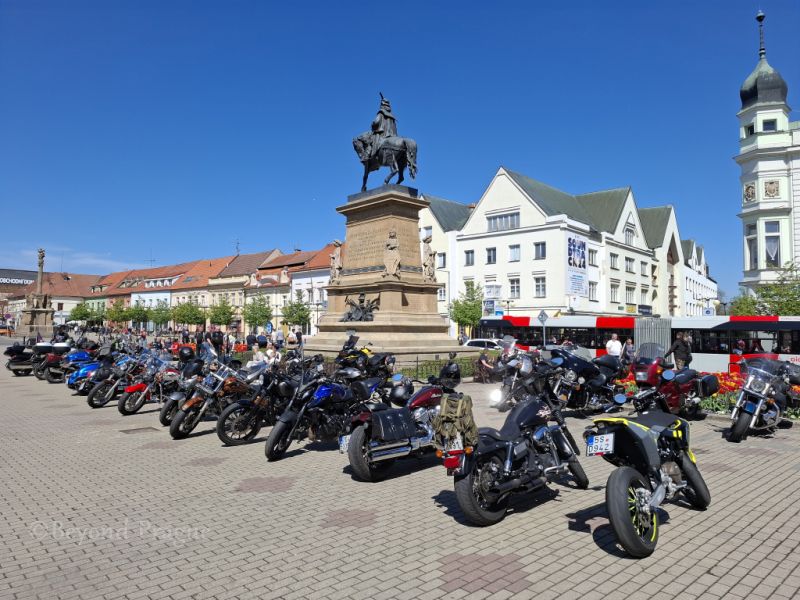
Motorcycles on the square, something to be aware of in the spring and summer months.
Paying a Visit and Learning More
Poděbrady is easy to reach—it’s a stop on several train lines. The city’s main tourist information office is conveniently located in the train station, making it a good first stop for visitors arriving by rail.
The city offers a range of dining and accommodation options to suit most travellers. It’s large enough for a weekend getaway but compact enough for an easy day trip.
If you visit in spring or summer, be aware that Poděbrady is a popular lunch-hour gathering spot for motorcyclists on cross-country rides. They usually congregate on George’s Square (Jiřího náměstí).
If you enjoy motorcycles, you’ll appreciate the friendly atmosphere and the chance to see some fascinating machines. The downside is that the crowds can be noisy, and service at restaurants around the square may slow considerably.
To avoid the bustle, consider dining at one of the restaurants near T. G. MasarykSquare, Lázeňský Park, or along the city-side riverbank.
To learn more, visit Poděbrady’s official website, which is multilingual in Czech, English, French, German, and Russian.
On September 21 of 2025, I had the good fortune of sharing a bus ride with Simon Calder, travel correspondent for Independent Travel, while travelling from Ostrava to Brno.
We parted ways when the bus arrived in Brno, but arranged to meet in the evening. We had some beers and food and recorded this installment of his podcast for The Independent.
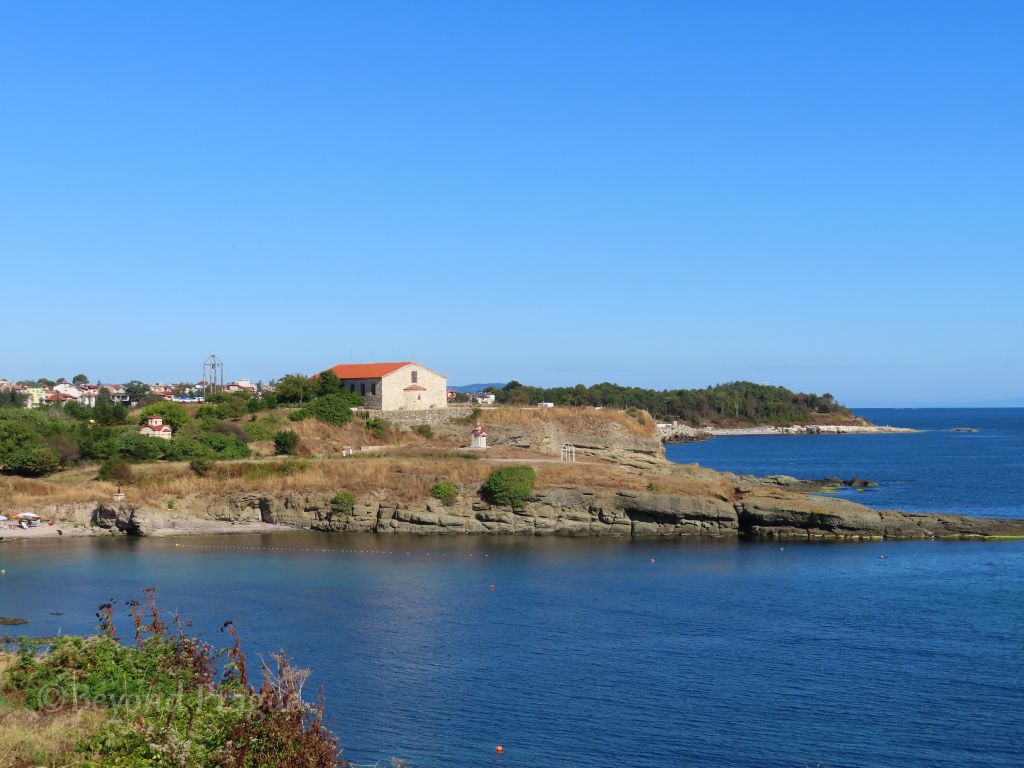
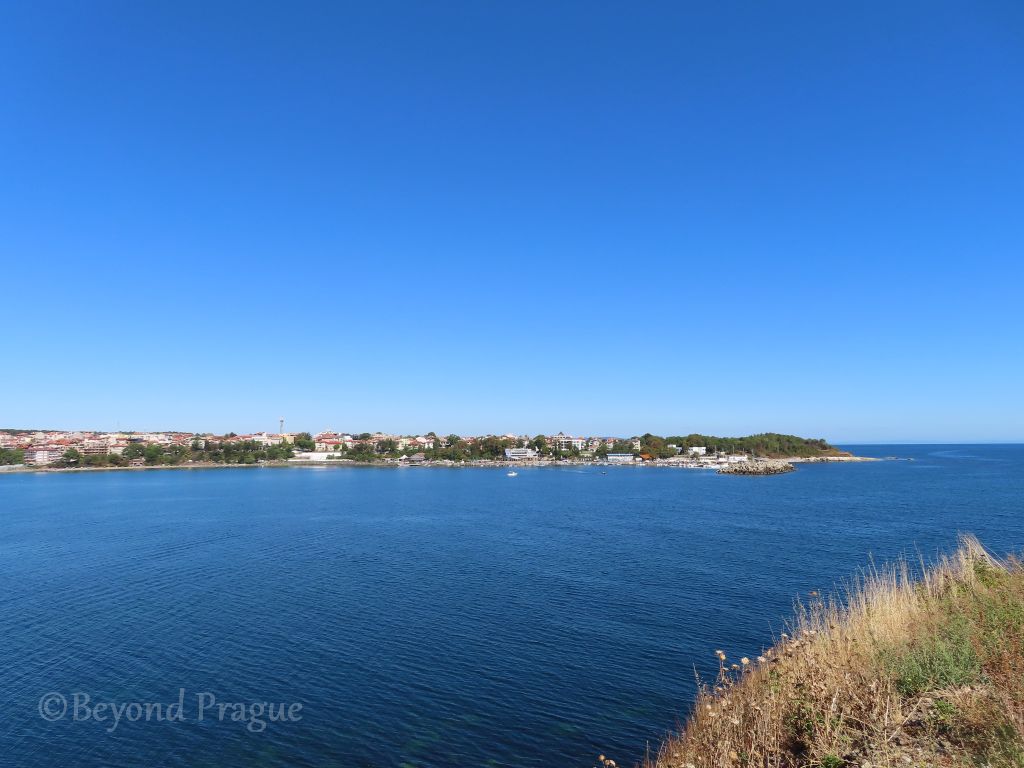
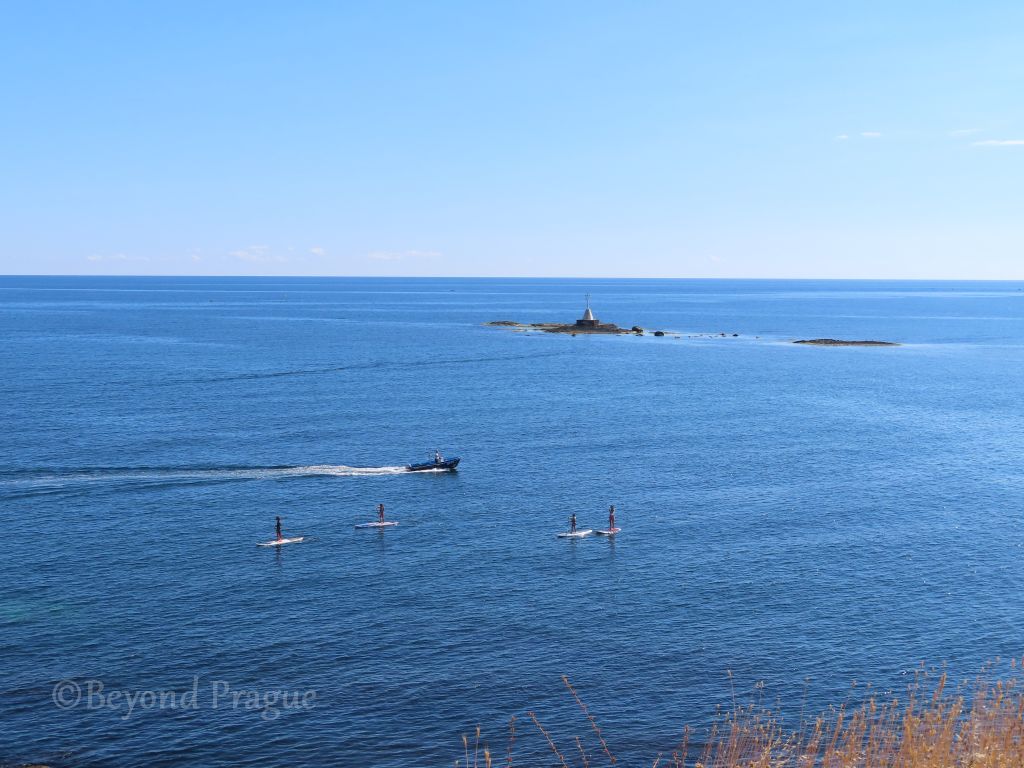
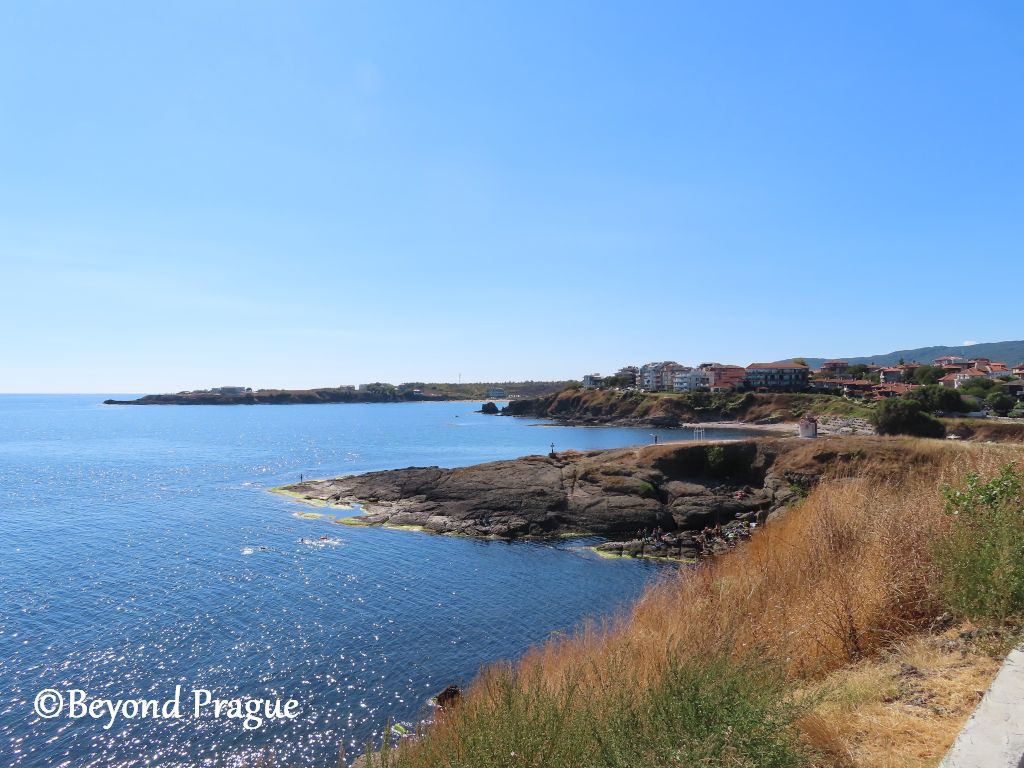
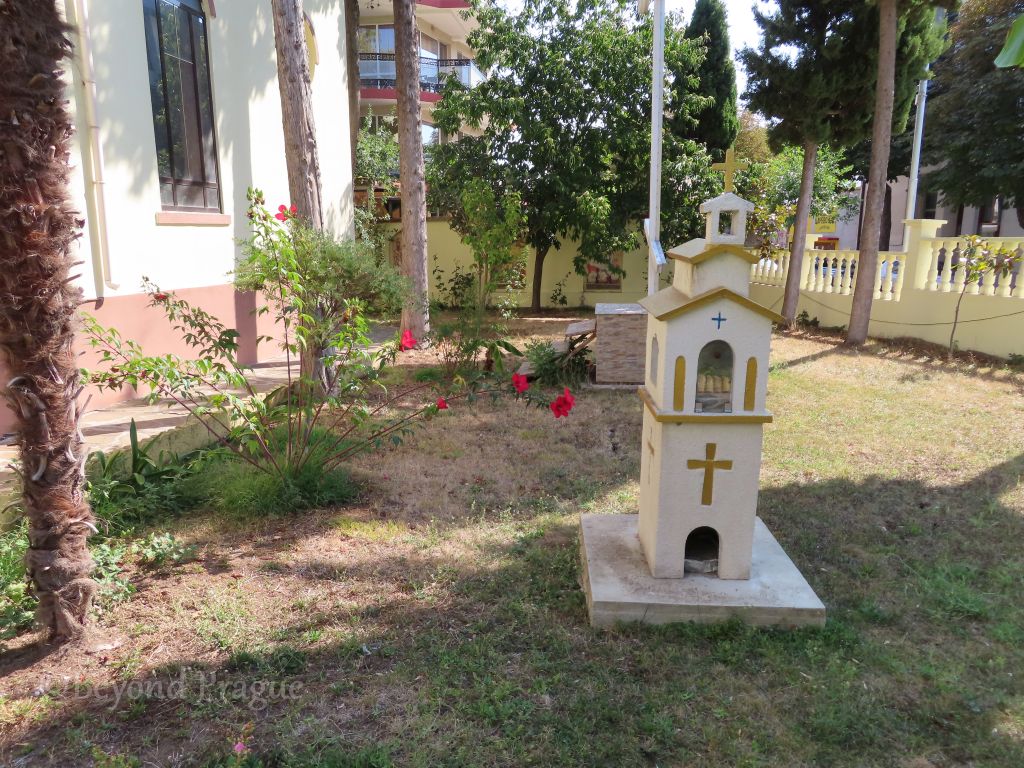
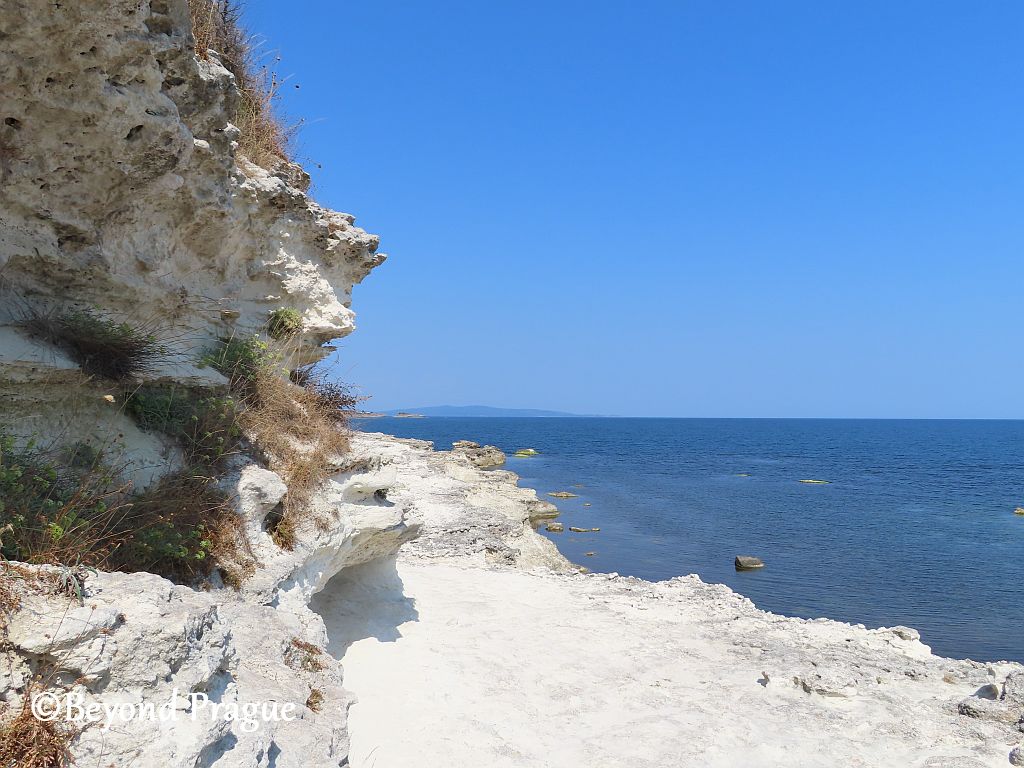
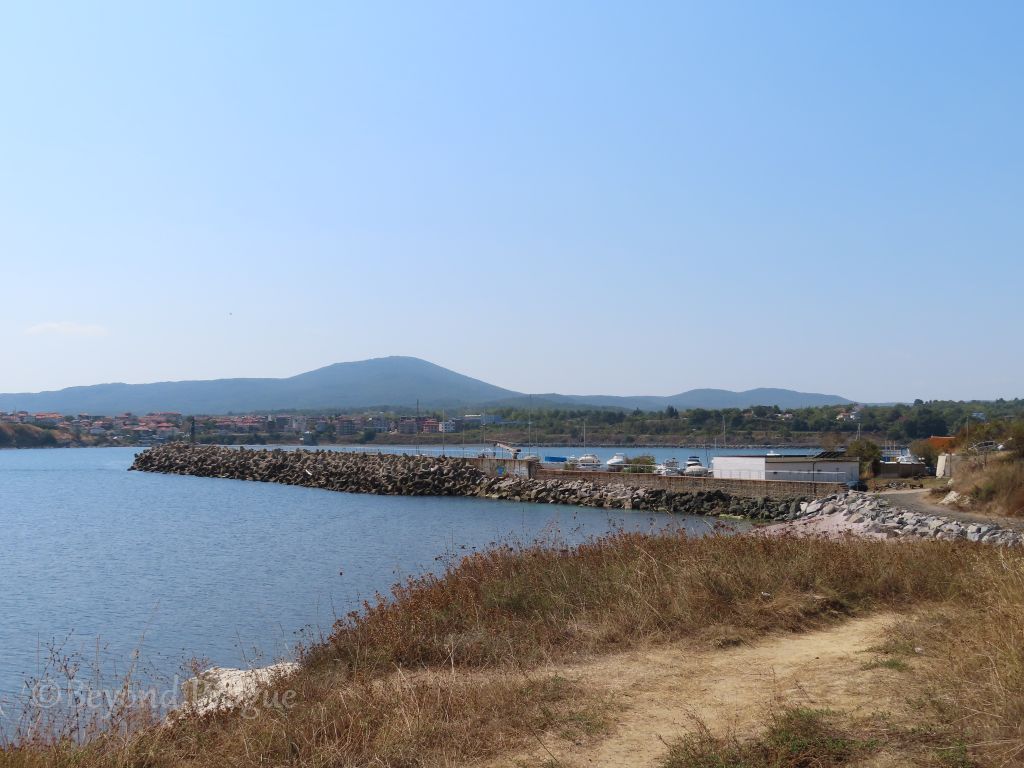
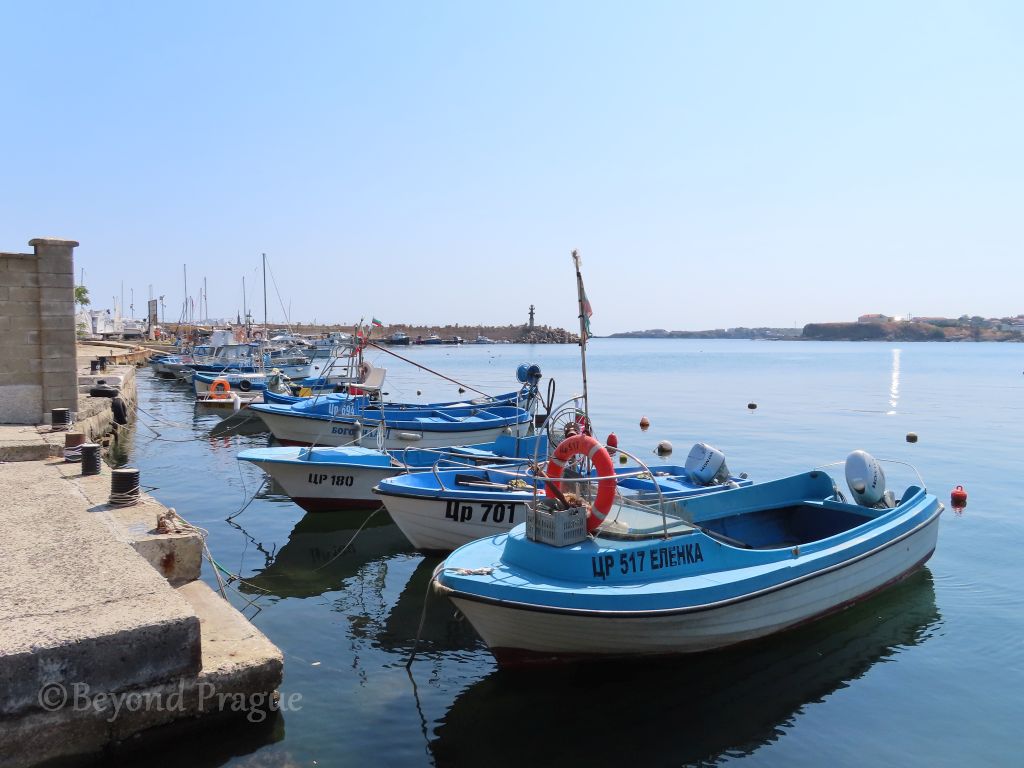
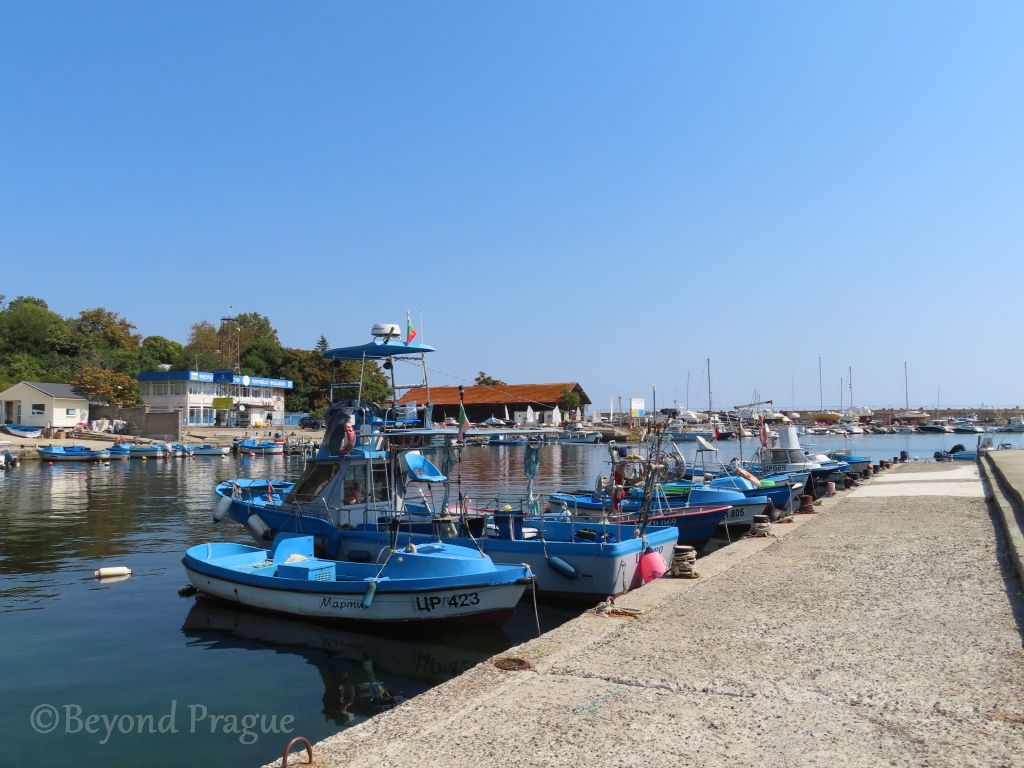
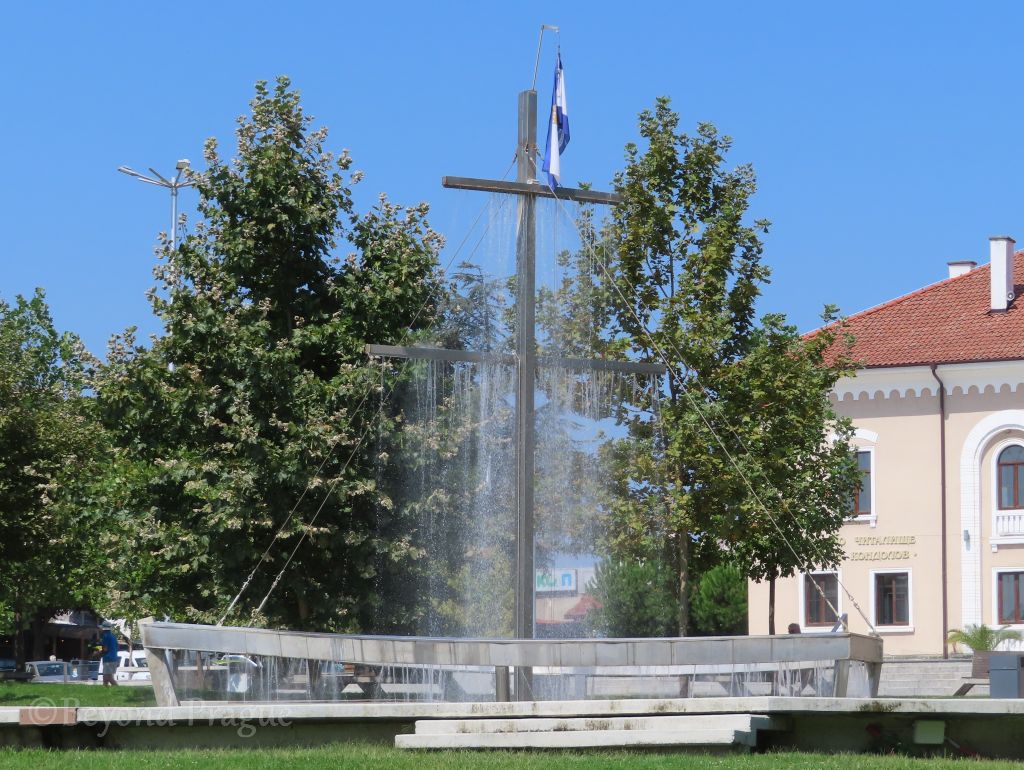
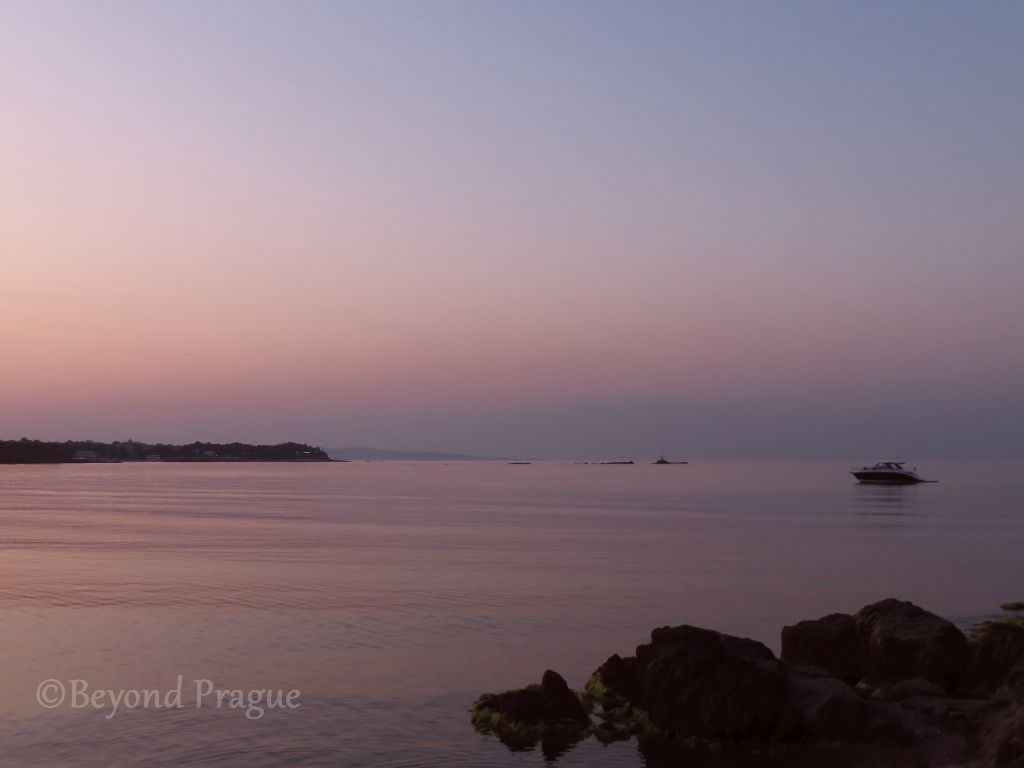
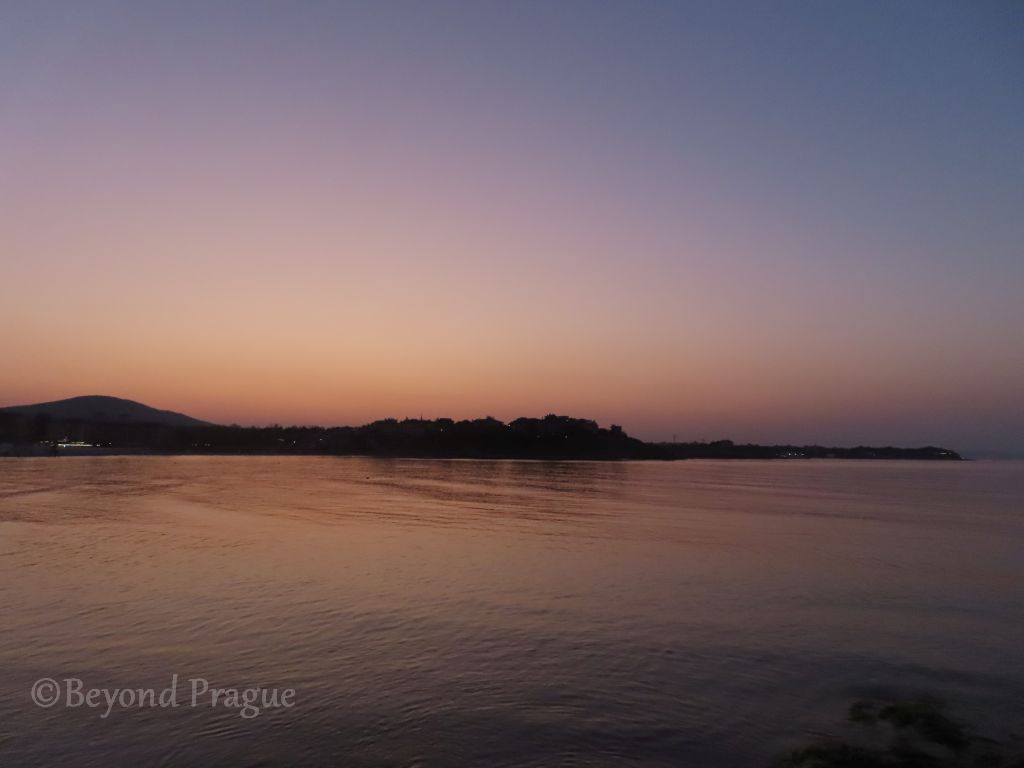
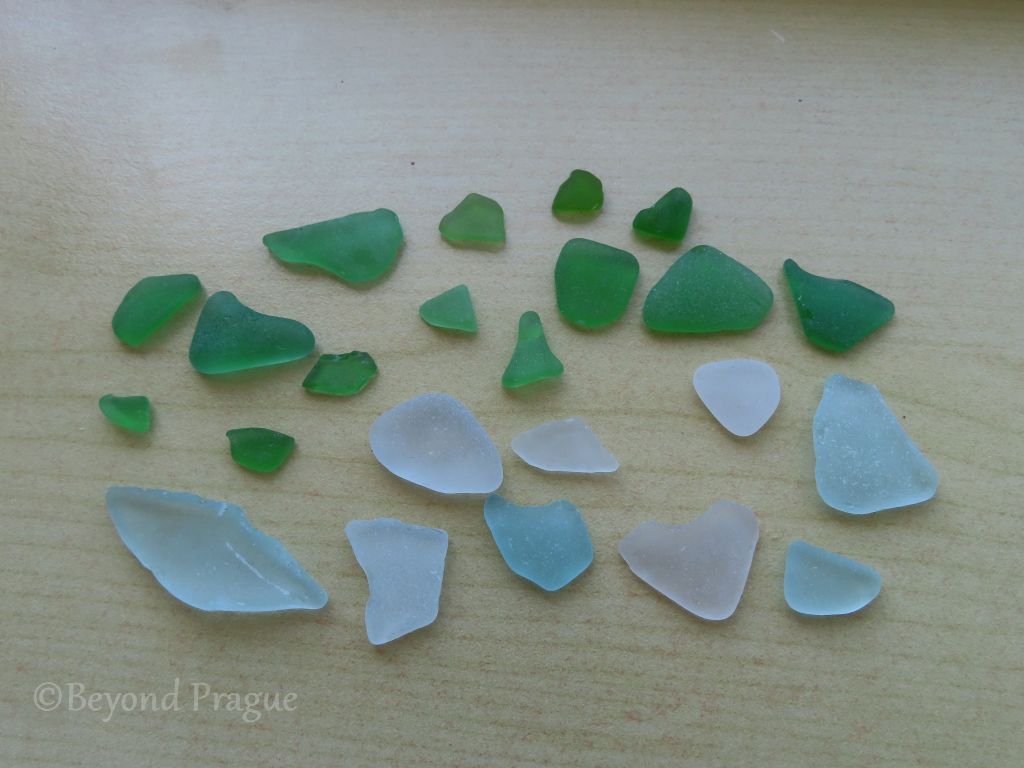
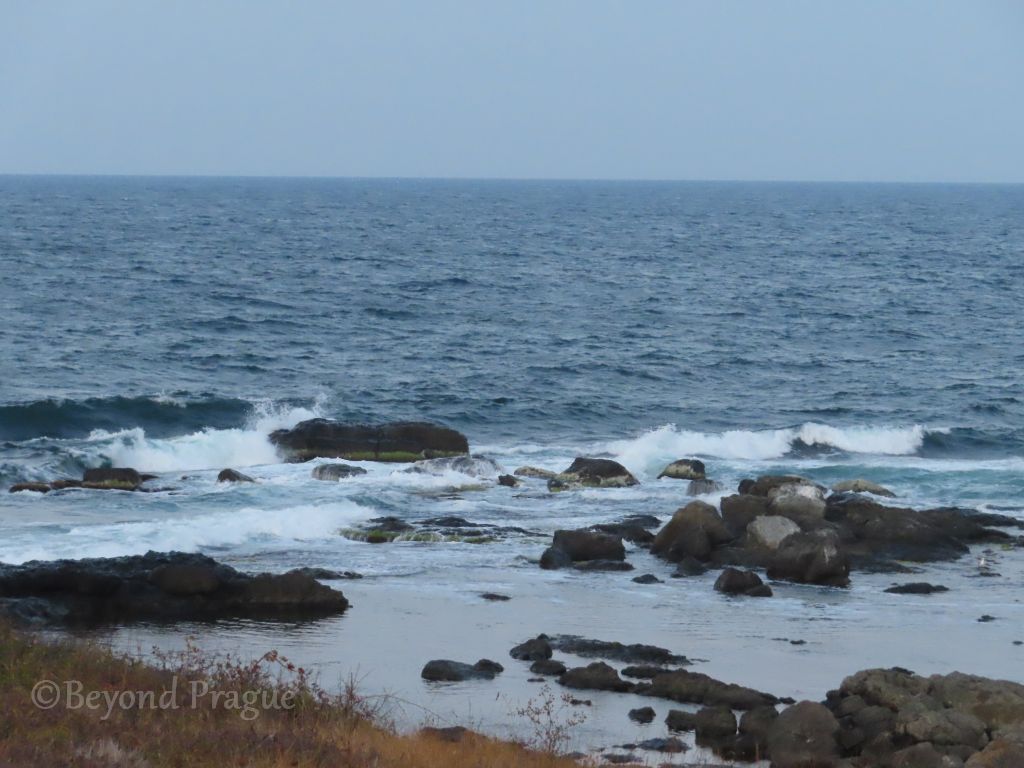
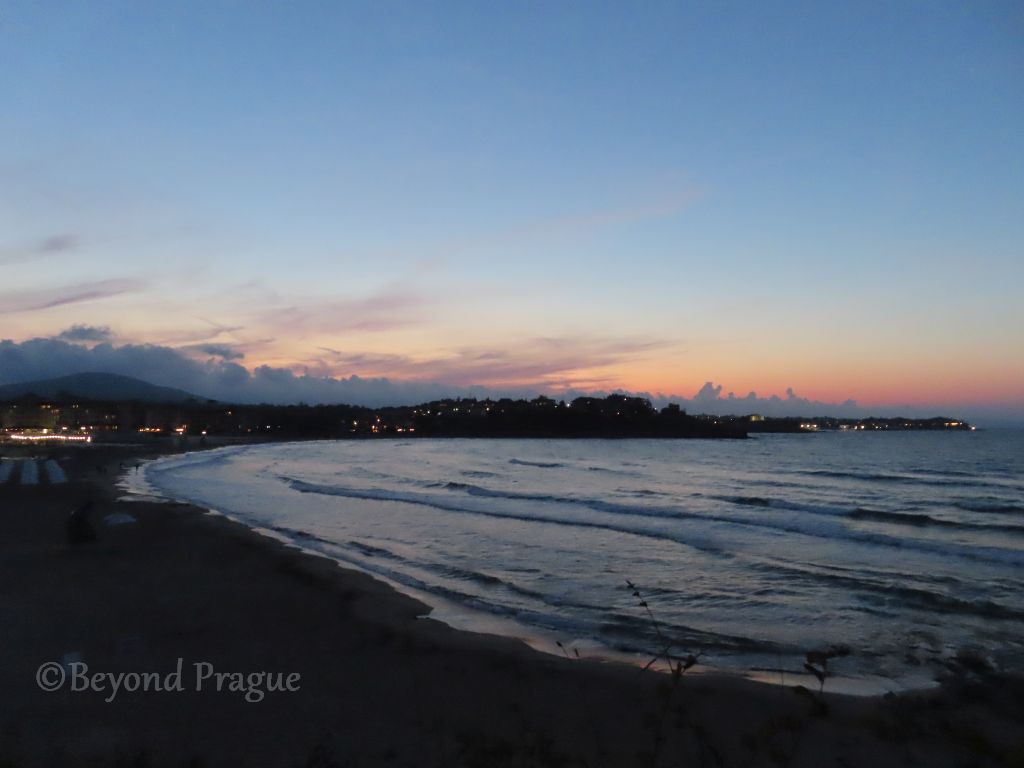
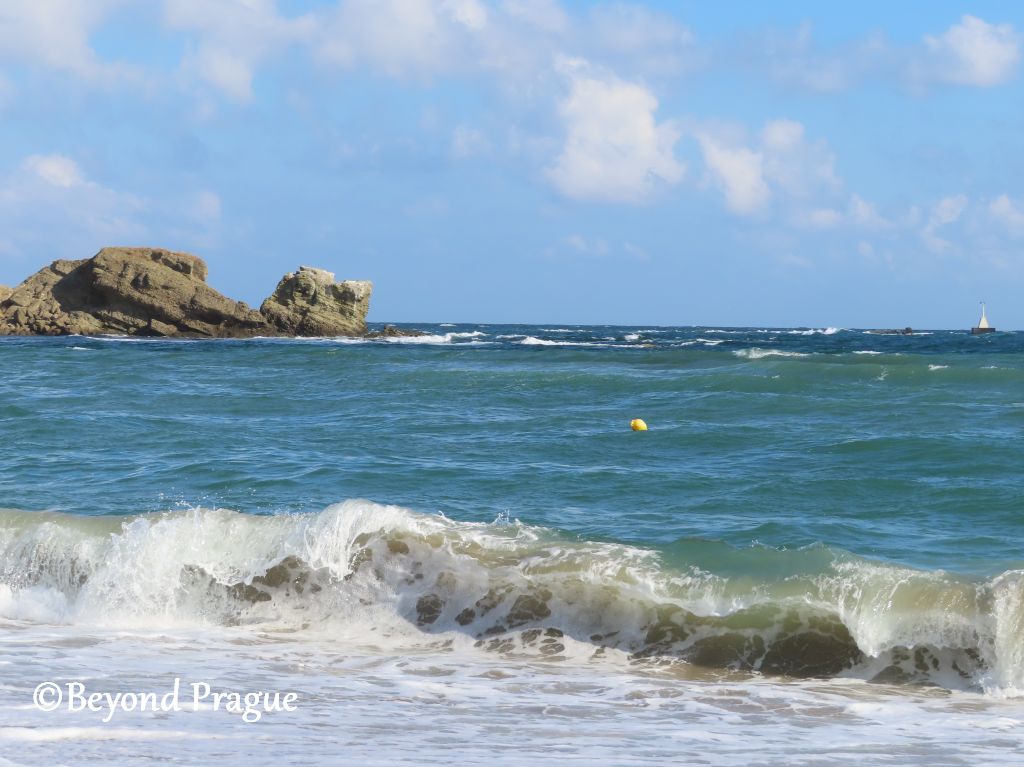
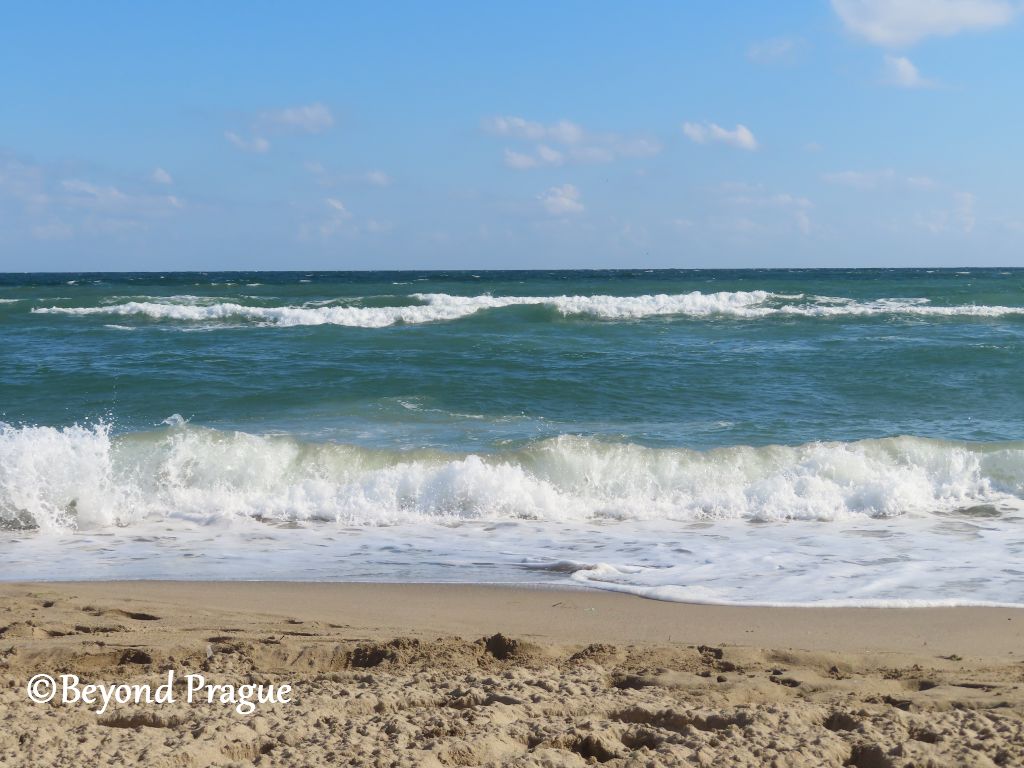
While working on my next article and doing some behind the scenes work on the website, I’d like to share some photos of a week of holidays in Bulgaria that we just returned from.
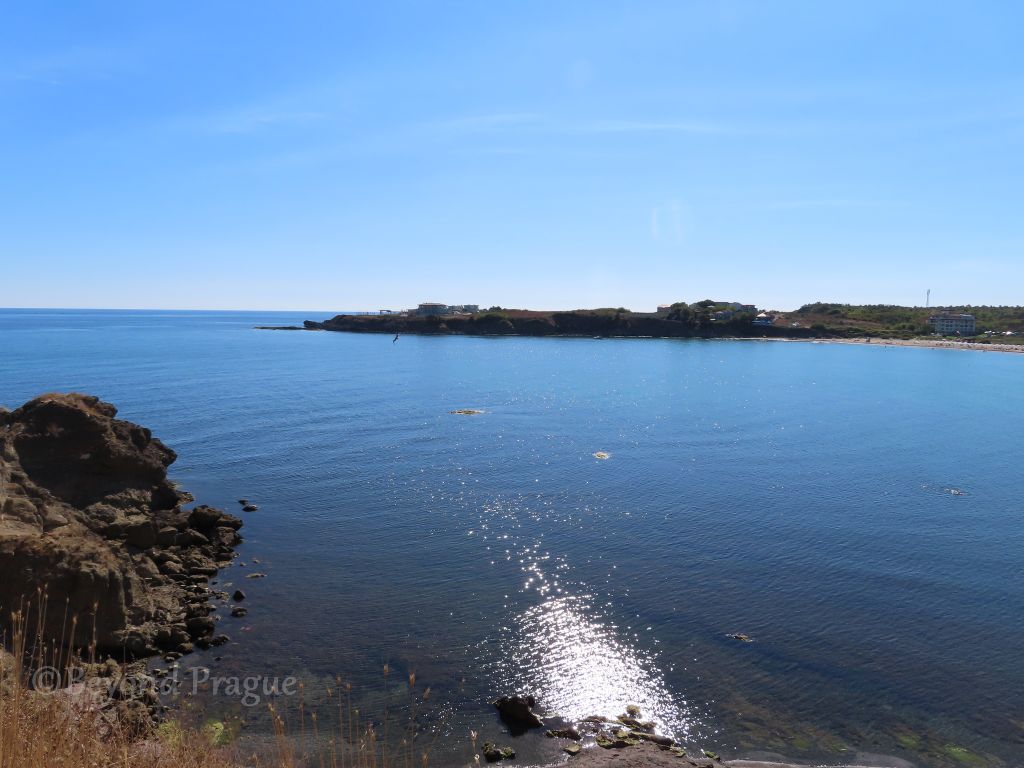
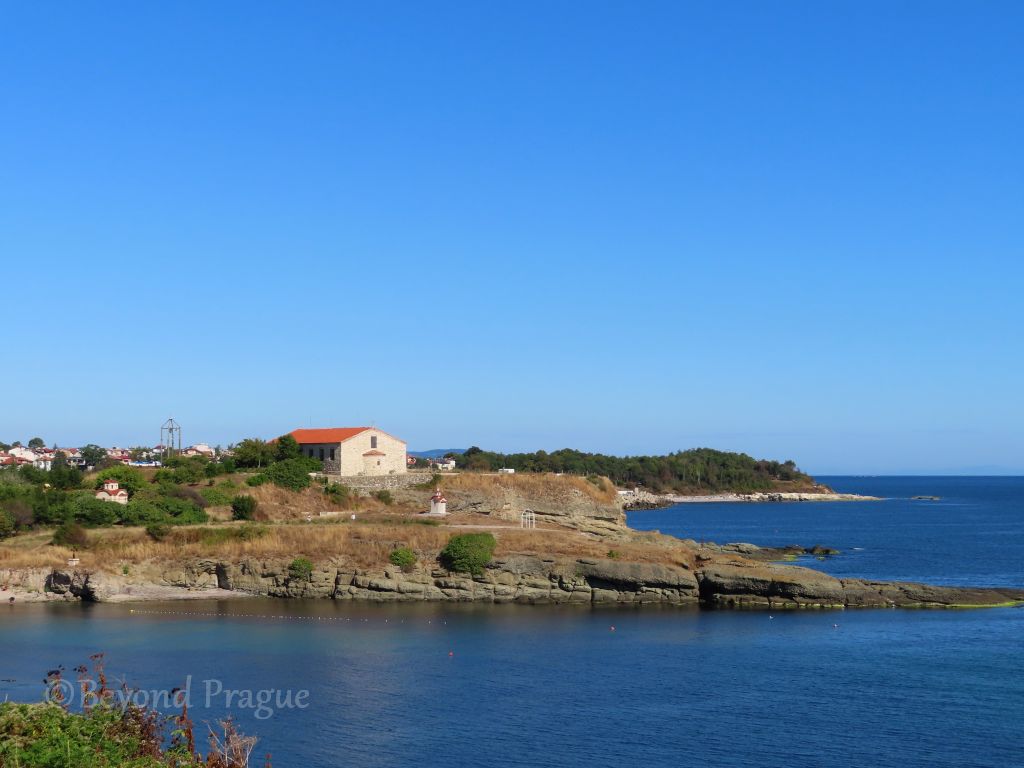
Bulgaria’s Black Sea coast is one of a number of popular seasonal tourist destinations that is easy to reach from the Czech Republic. We’ve enjoyed trips to the region a couple of times before, this time we were near the small city of Tsarevo.
We flew direct from Brno to Burgas and reached our hotel in about 90 minutes via airport transfer.
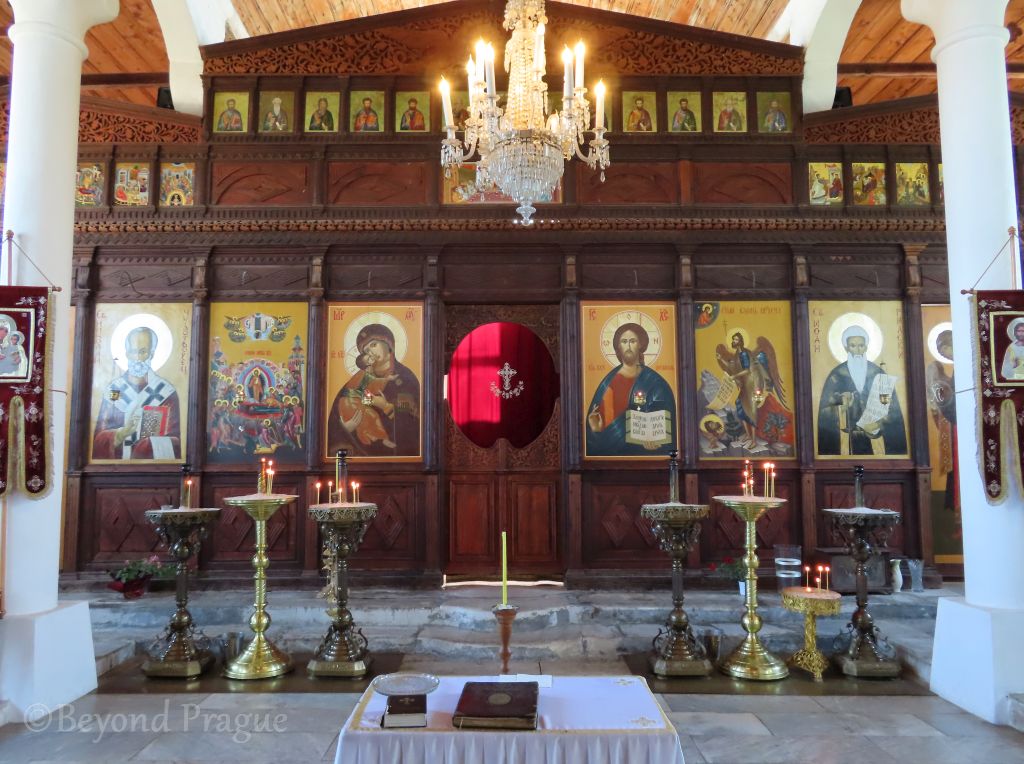
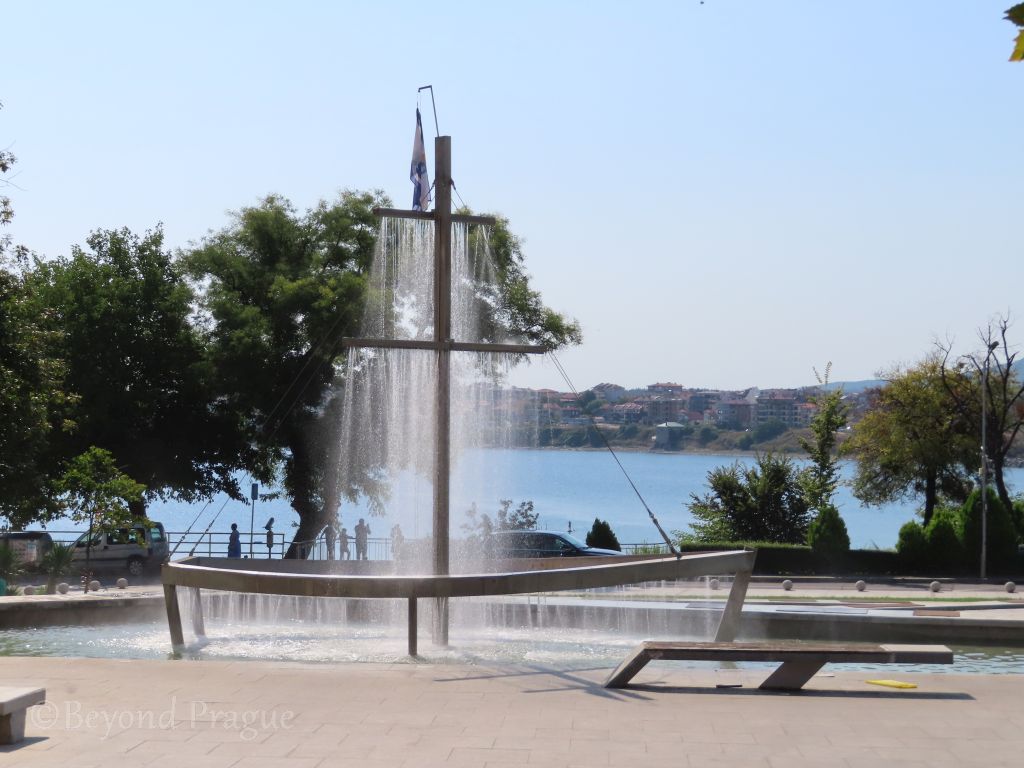
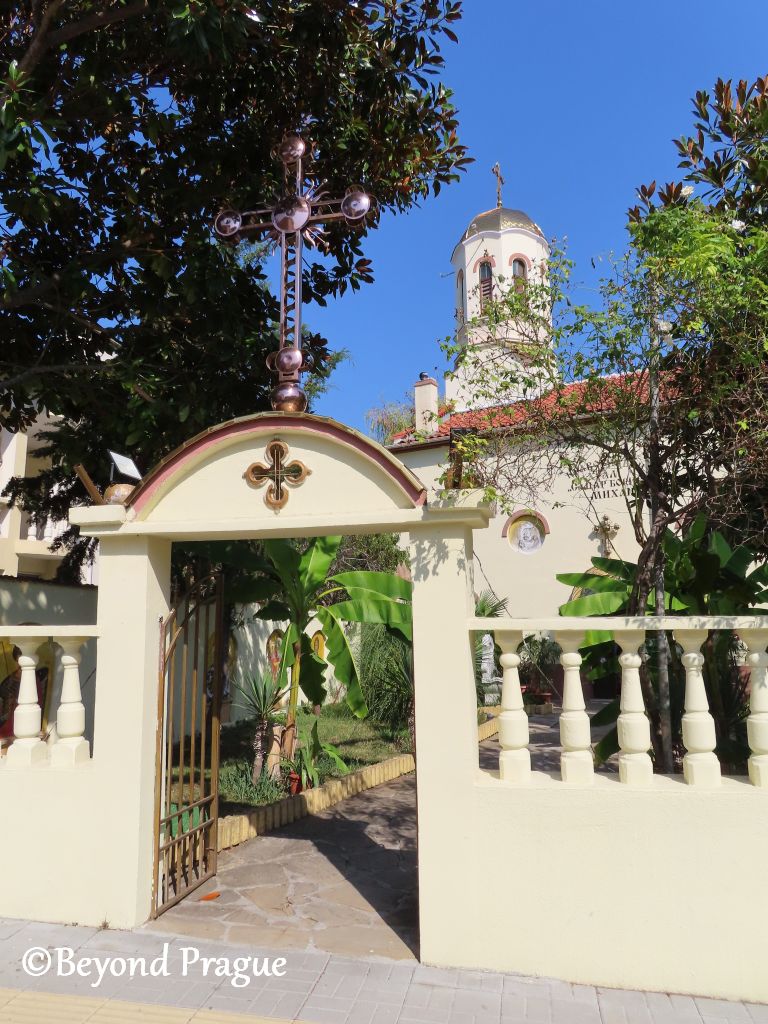
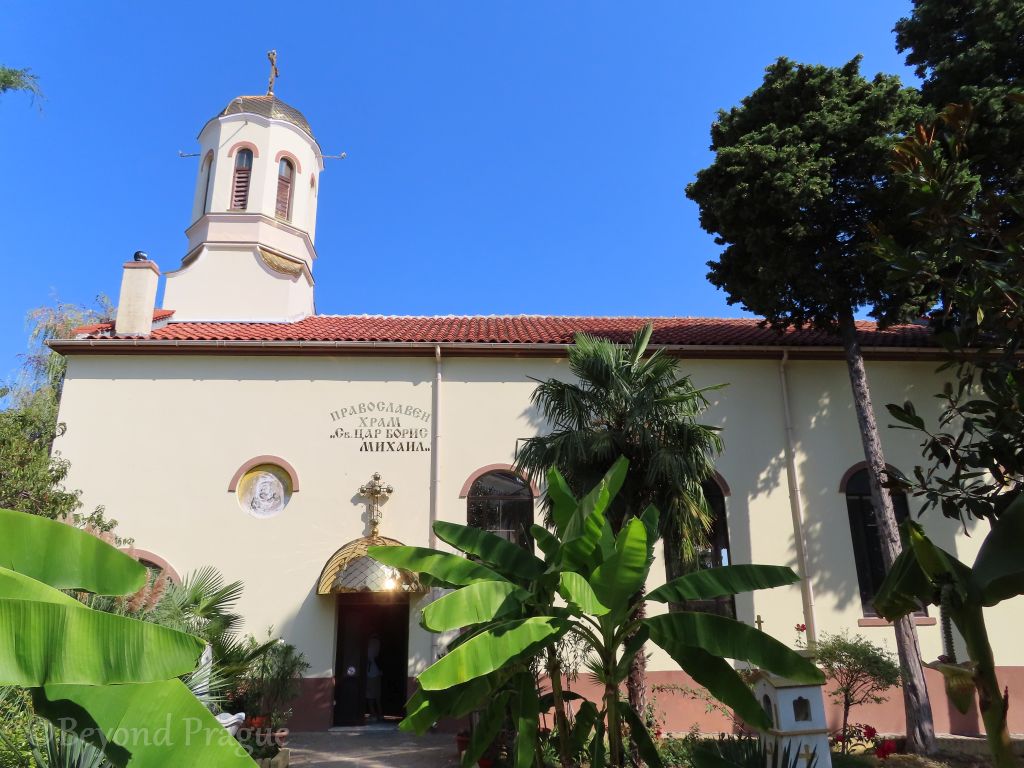
Burgas is the main city in the region and very nice to visit, but Tsarevo and its surroundings are less touristy and have a charm all their own: