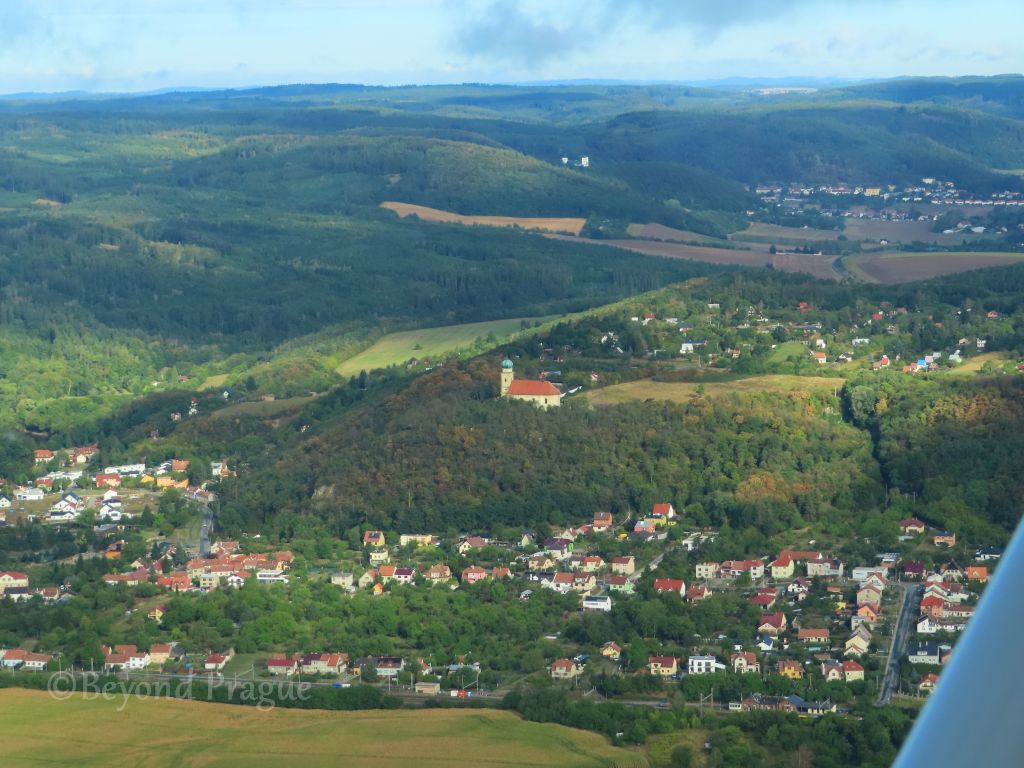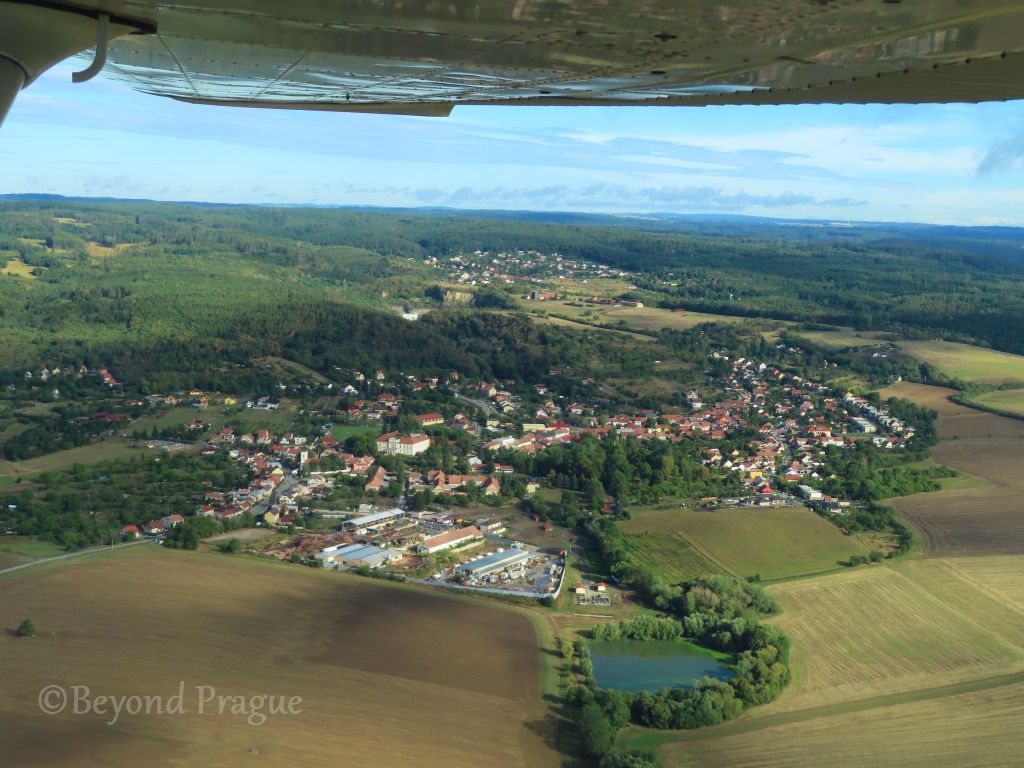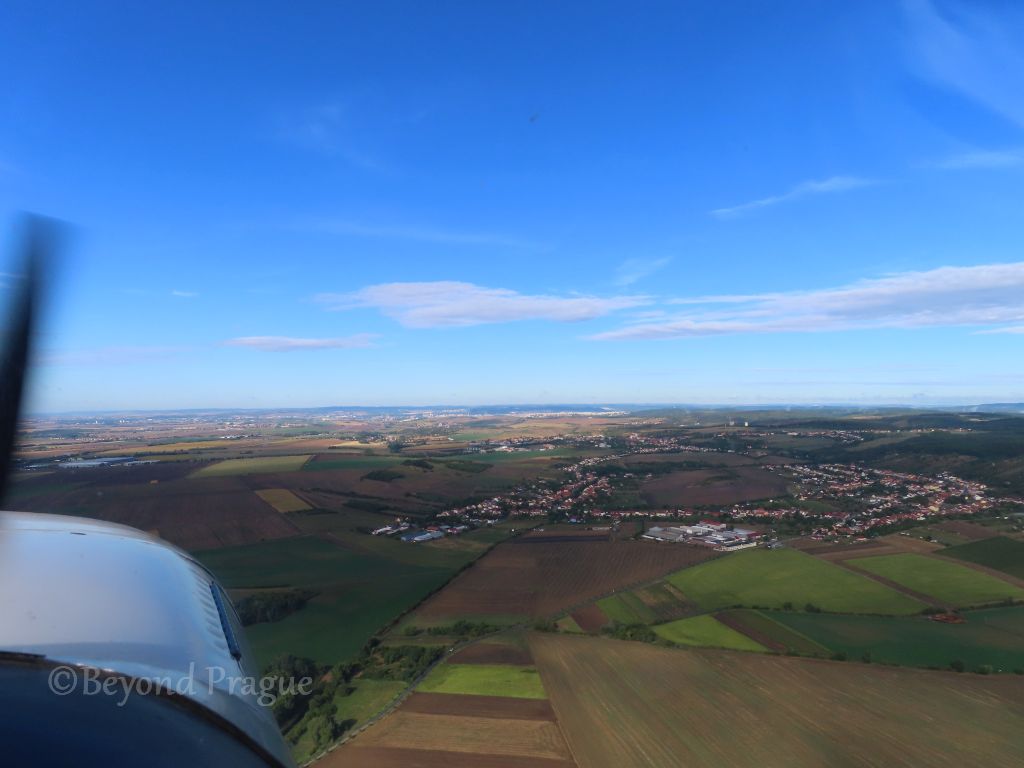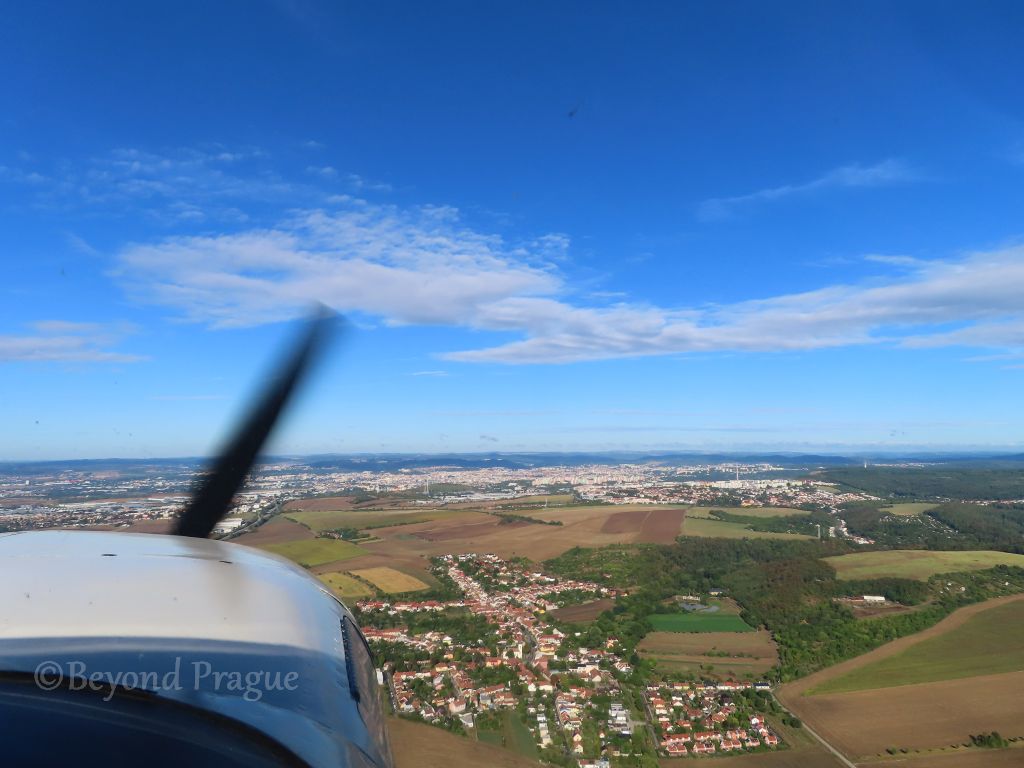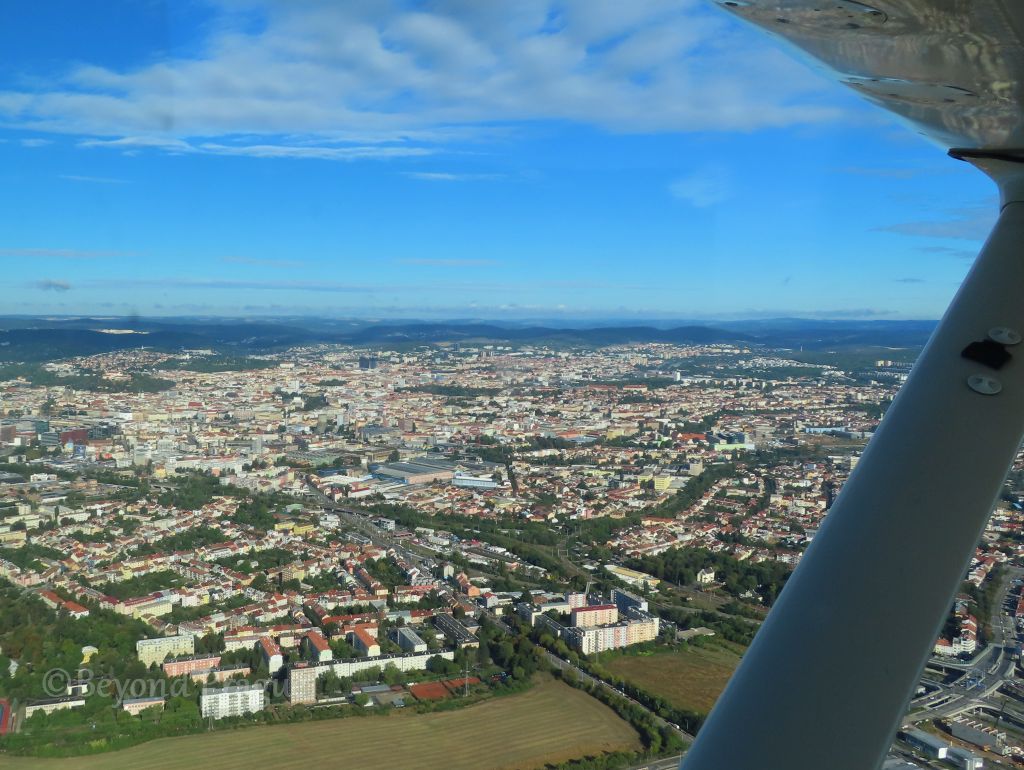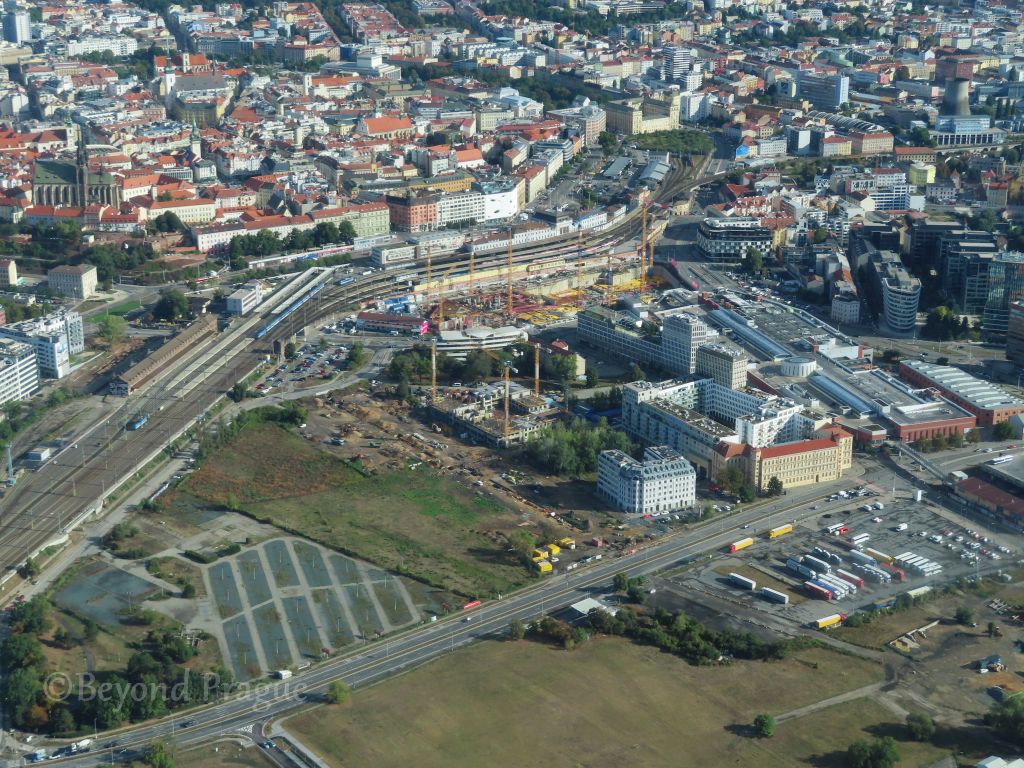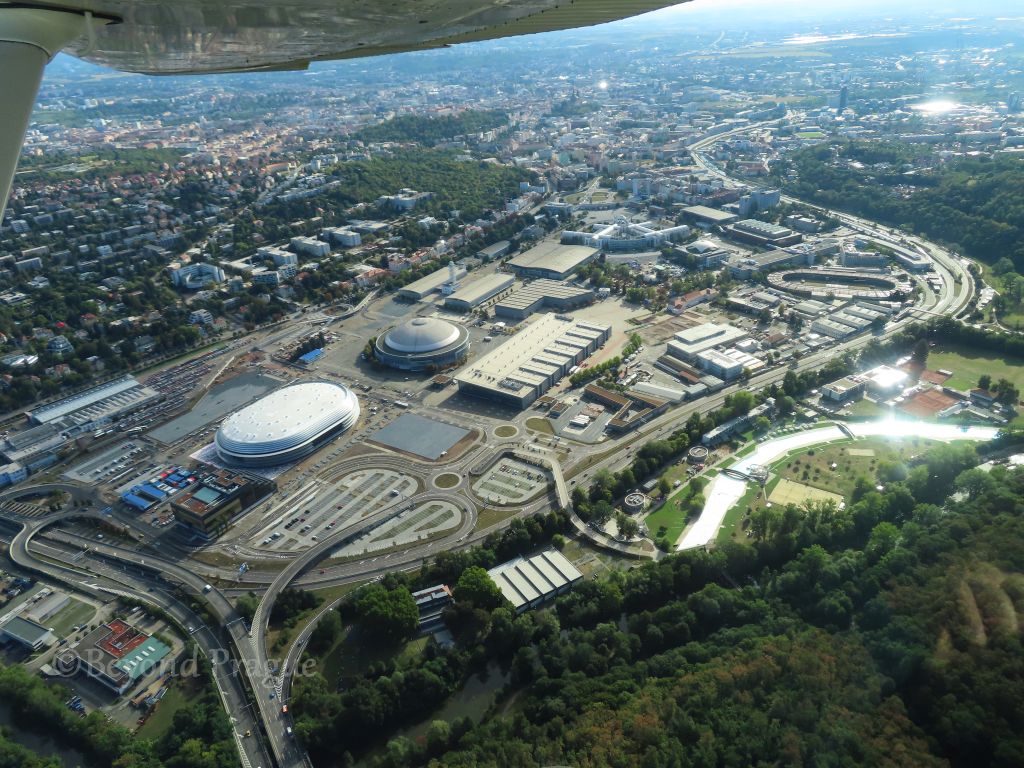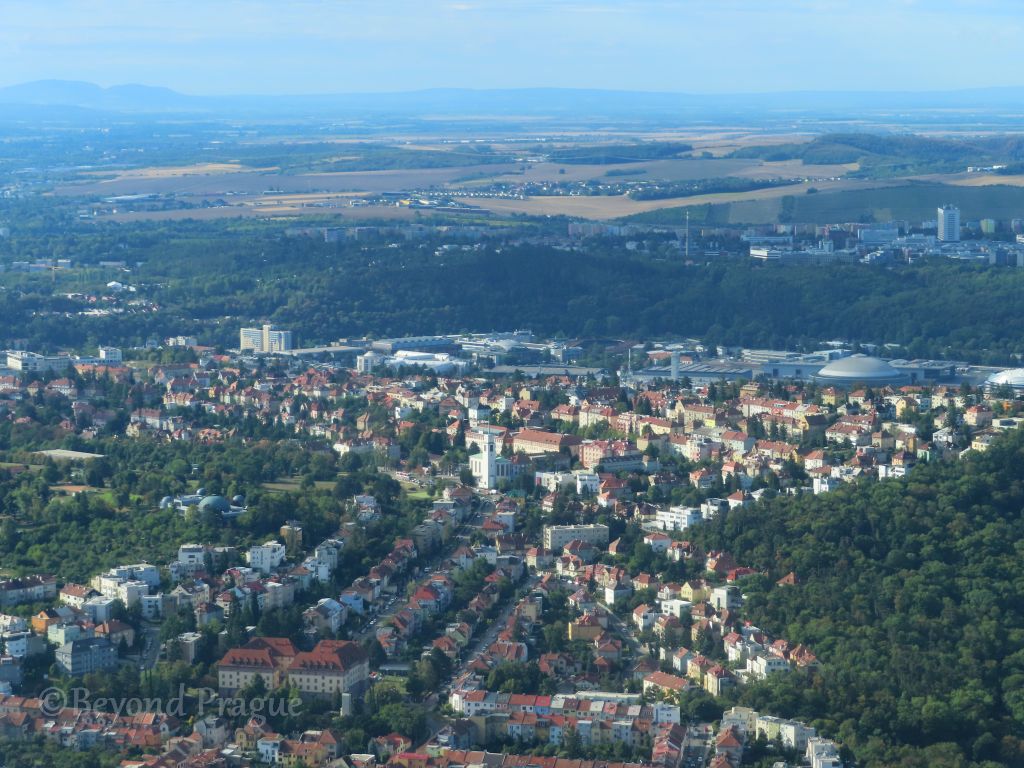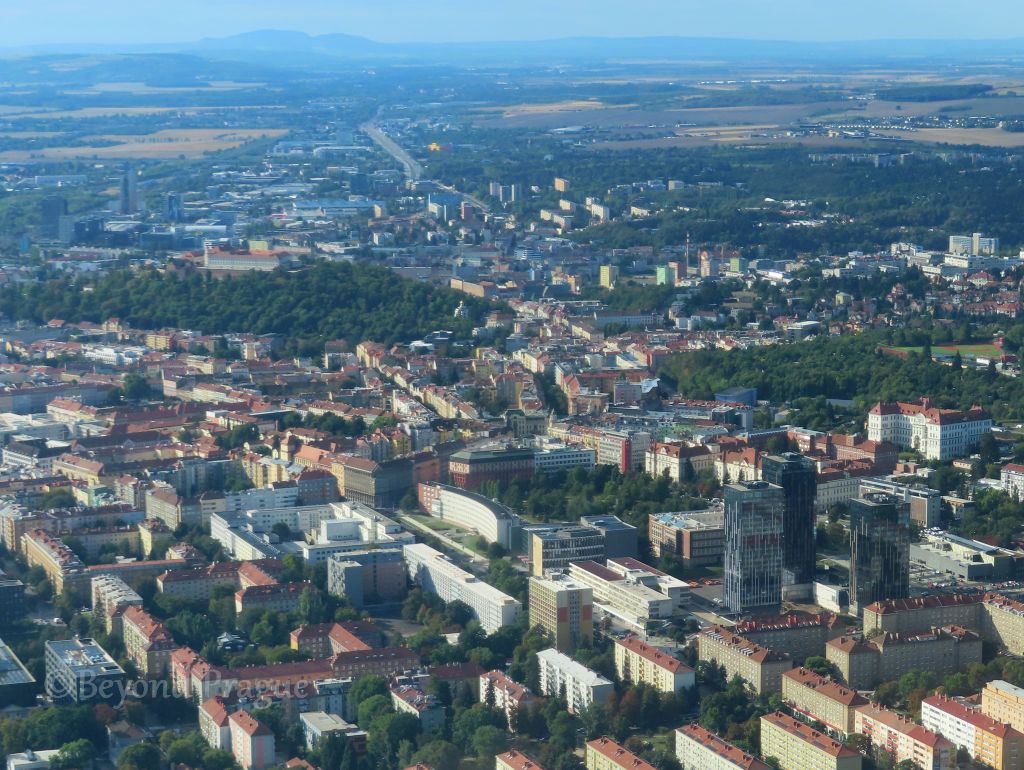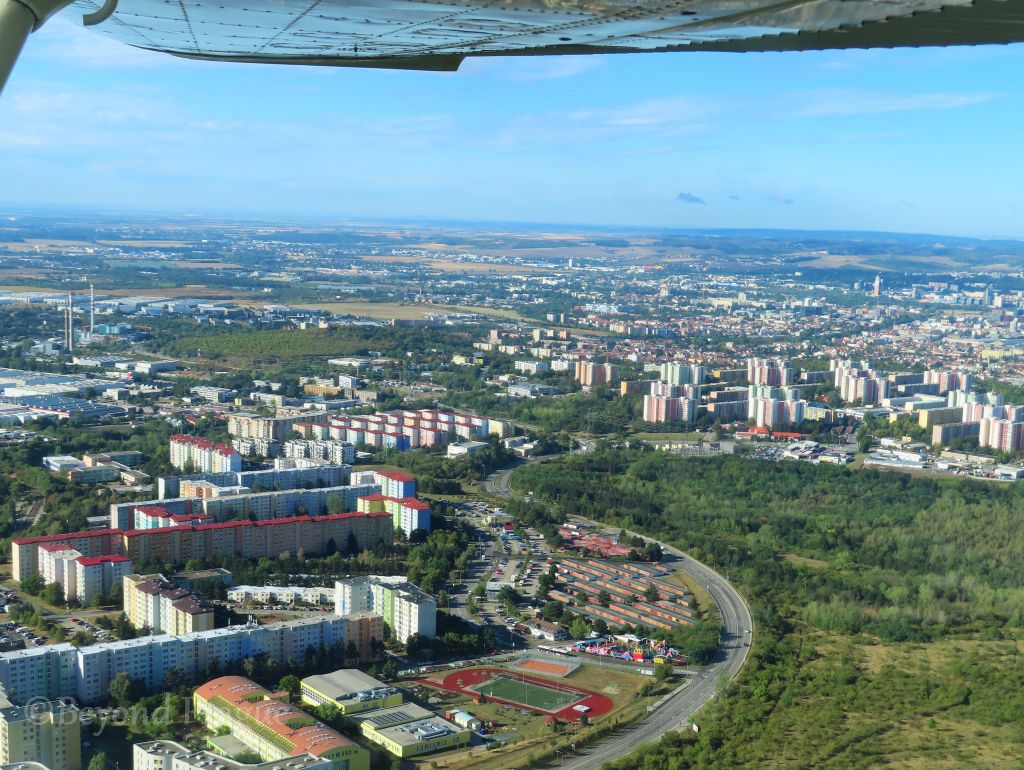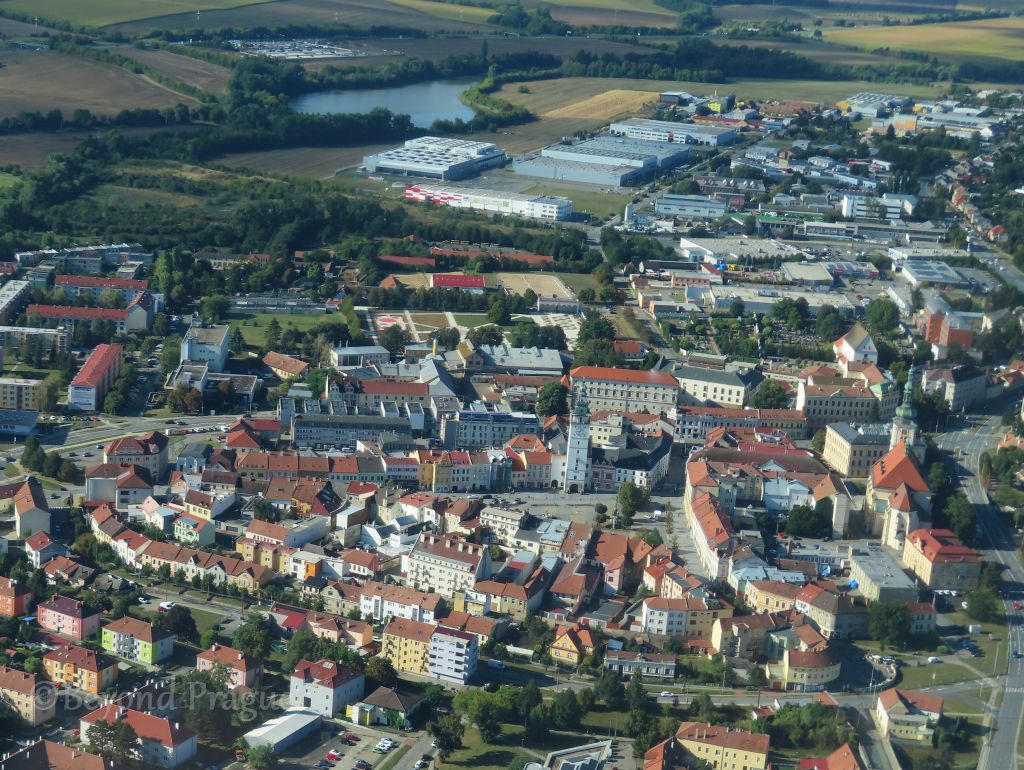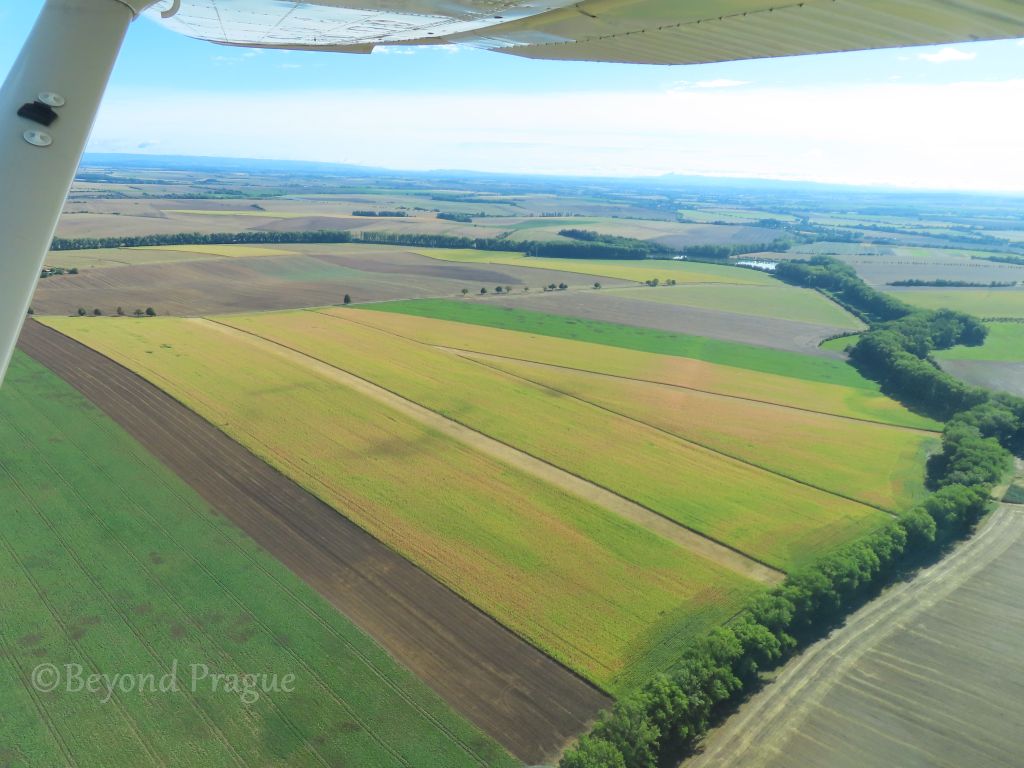
Sometimes it helps to get a different perspective on things.
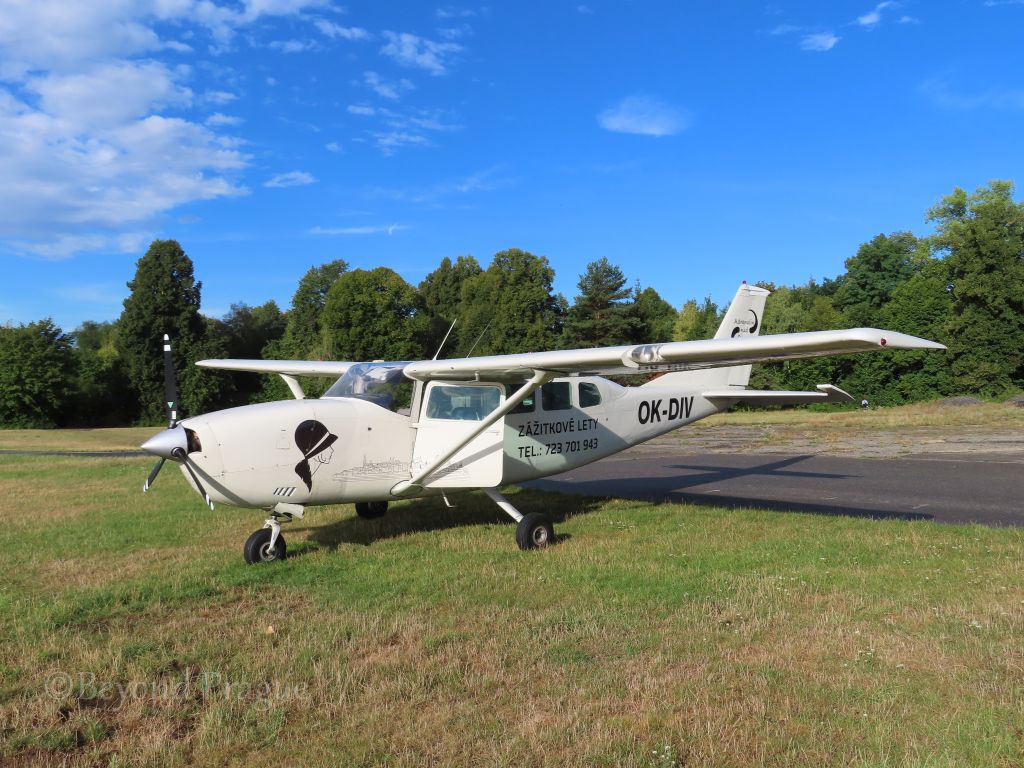
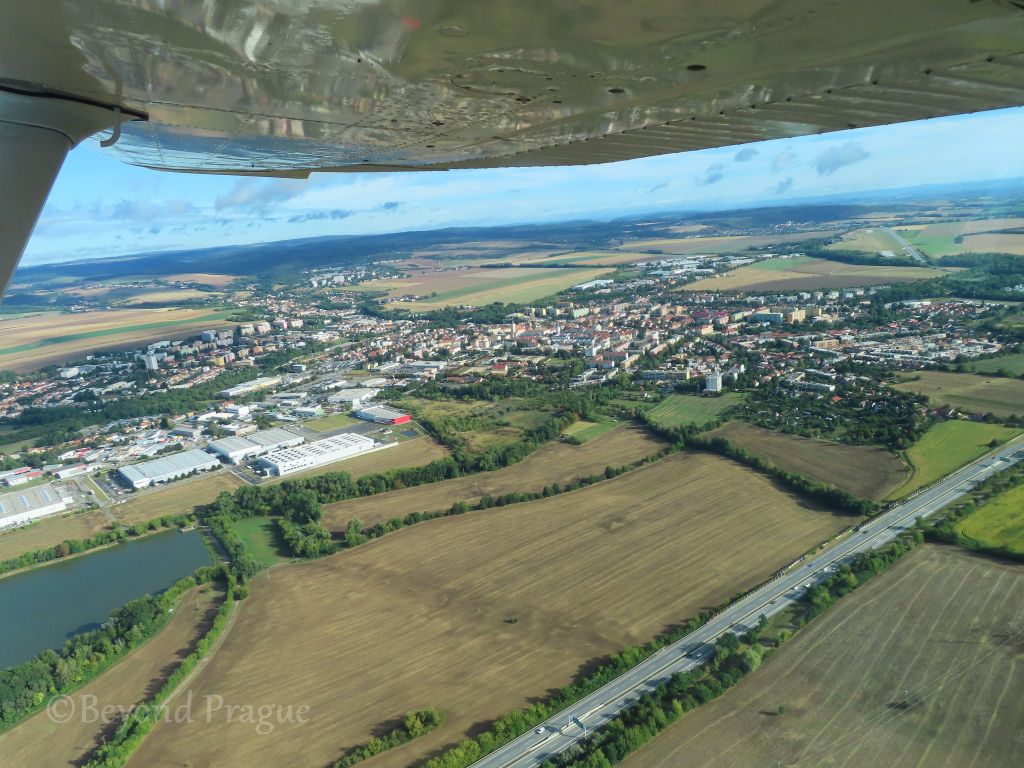
I got a gift certificate for a sight seeing flight for my birthday earlier this month. The flight went from Vyškov to Brno and back.
Here’s a few pictures from the flight:


Sometimes it helps to get a different perspective on things.
I got a gift certificate for a sight seeing flight for my birthday earlier this month. The flight went from Vyškov to Brno and back.
Here’s a few pictures from the flight:


Expanding the Range
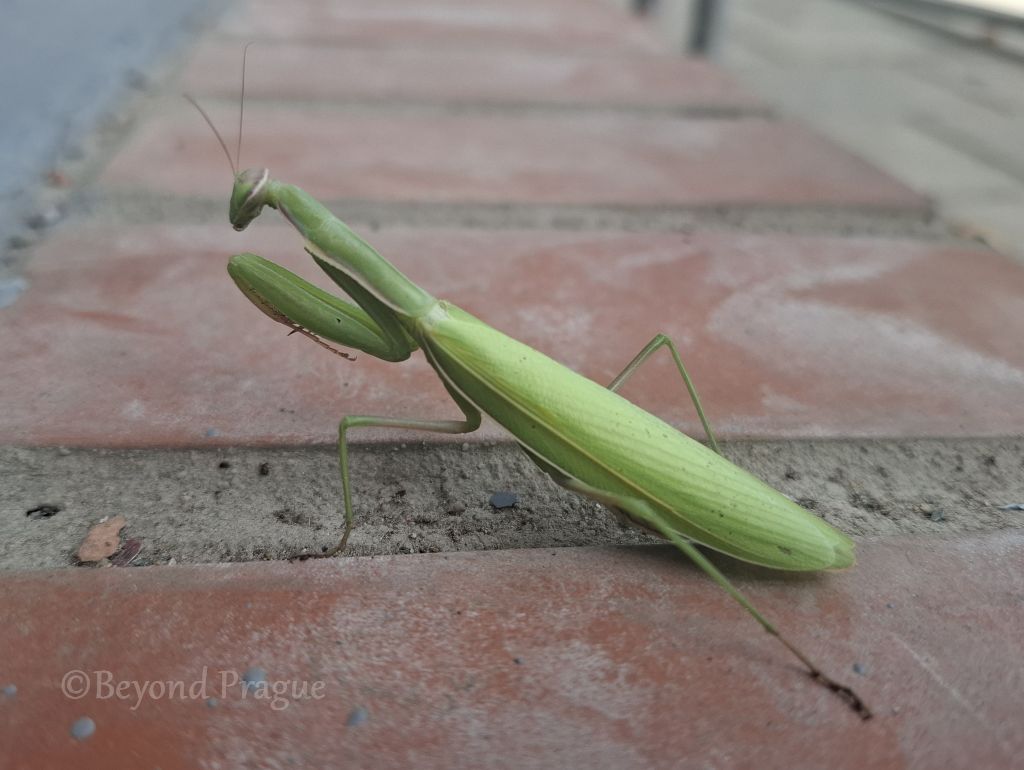
The European praying mantis (Mantis religiosa) is the only mantis endemic to the Czech Republic. Until 2026, it’s range was limited to the South Moravian regions. However, the recent heat waves have seen it dramatically extend its range across the country.
As insects go, it’s one of the “good guys”, so I was happy to see one on my walk this morning.
The Czech Entomological Society named the praying mantis as the country’s Insect of the Year for 2026. You can find out more at this link: https://english.radio.cz/praying-mantis-named-czechias-insect-year-species-spreads-across-country-8889336
Remembrance of a Reformer
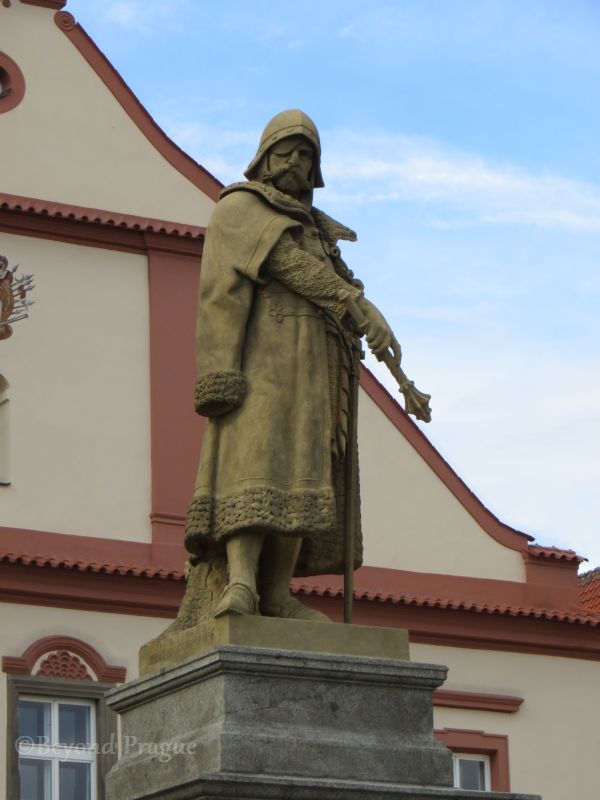
July 6 is a national holiday in the Czech Republic commemorating the anniversary of the death of Jan Hus (c. 1370–1415), one of the most influential figures in Czech history.
Although there are no large nationwide celebrations, commemorative ceremonies and church services are held in several locations, particularly at Bethlehem Chapel in Prague. Jan Hus remains an important figure in Czech history, and many Czechs regard him as one of the nation’s greatest historical figures.
Hus is significant not only in Czech history but also in the broader history of Western Christianity. His teachings and calls for reform anticipated many of the ideas that would later emerge during the Protestant Reformation of the 16th century.
Very little is known about Hus’s early life. He was born to peasant parents in South Bohemia and is believed to have been educated at a monastery from around the age of 10.
Later, he relocated to Prague and earned a Master of Arts degree at the University of Prague in 1396. Two years later, he began lecturing at the university.
Hus was ordained as a Catholic priest in 1400 and became dean of the university’s Faculty of Philosophy in 1401 before being elected rector in 1402.
That same year, Hus was appointed preacher at Bethlehem Chapel, a building that still stands today in Prague’s Old Town. Through his preaching in Prague and throughout Bohemia, he attracted a large and devoted following.
Jan Hus drew considerable inspiration from the writings of English theologian and reformer John Wycliffe (c. 1328–1384). Like Wycliffe, Hus believed that people should hear the Gospel in their own language rather than exclusively in the Latin traditionally used by the Church. Despite repeated warnings from his superiors, Hus preached in Czech so that ordinary people could understand his message. He also promoted the use of Czech in religious writings and contributed to the development of Czech biblical texts and orthography, making Scripture more accessible to both clergy and ordinary people.
In addition to preaching in the local language, Hus advocated reform within the Church itself. Opulence, political intrigue and corruption were widespread among some senior clergy, and Hus believed the Church should return to a simpler and more faithful expression of Christianity.
It is important to remember that Hus remained a devout Catholic throughout his life. His goal was not to establish a new church but to reform the existing one from within.
Making of a Martyr…and a Movement
King Wenceslaus IV ruled Bohemia from 1378 to 1419. His reign coincided with the Western Schism (1378–1417), during which rival popes in Rome and Avignon each claimed legitimacy as head of the Catholic Church. European rulers, nobles, and clergy were forced to support one claimant or the other.
Wenceslaus supported the Avignon papacy, while the Archbishop of Prague remained loyal to Rome. This disagreement further strained relations between the king and the Church.
The king’s poor relationship with Church authorities also contributed to his willingness to support Hus’s calls for reform, and he resisted demands from the Roman Catholic Church to denounce Hus and his followers as heretics.
In 1414, Hus was summoned to the Council of Constance after receiving a letter of safe conduct from King Sigismund of Hungary and later Holy Roman Emperor, who promised him safe passage. Despite this assurance, Hus was arrested upon his arrival, tried for heresy, and burned at the stake on July 6, 1415.
His execution sparked outrage throughout Bohemia. Hus’s teachings had resonated deeply with many people, and his death transformed him into a martyr. In the years that followed, his supporters organised into what became known as the Hussite movement, a reform movement that foreshadowed many later Protestant ideas.
Hussite Wars
The Hussites faced immediate persecution following Hus’s execution. This was due in part to King Wenceslaus IV abandoning his earlier support for Hus’s reforms. Where Hus’s followers had once occupied influential government positions, the king now worked to remove them from public office.
In June 1419, a group of Hussites led by the priest Jan Želivský stormed Prague’s New Town Hall and threw several town councillors and royal officials from its windows to the street below, killing several of them. This event became known as the First Defenestration of Prague and sparked the Hussite Wars, which lasted from 1419 to 1434.
The Hussite Wars consisted of a series of crusades launched against Bohemia. Despite being outnumbered, the Hussite armies—most famously under the leadership of Jan Žižka—successfully resisted repeated invasions by imperial and papal forces through innovative tactics and determined leadership.
Although the wars eventually ended without a decisive military victory for either side, agreements such as the Compactata of Basel established an unusual degree of religious coexistence for the period by permitting moderate Hussites to continue many of their religious practices. The Hussite movement remained an influential force within Bohemia until the Habsburg dynasty assumed control of the kingdom in 1526.
Habsburg Rule and the Thirty Years’ War
For much of the first century of Habsburg rule, relations between Catholics and Protestants in Bohemia remained relatively peaceful. The first two Habsburg rulers of Bohemia, Rudolf II (1552–1612) and Matthias (1557–1619), generally tolerated Protestantism and extended religious rights that allowed Protestant nobles to hold high office and maintain substantial estates.
Matthias was succeeded by his cousin Ferdinand II of Styria (1578–1637). Unlike his predecessors, Ferdinand was a committed supporter of the Counter-Reformation and intended to restore Catholicism as the dominant faith throughout his lands. He refused to honour many of the religious freedoms previously granted to Bohemia’s Protestant estates.
Relations between the Bohemian nobility and the Habsburg monarchy deteriorated rapidly. In 1618, three royal Catholic officials were thrown from the windows of Prague Castle during what became known as the Third Defenestration of Prague. Although the officials survived, the incident became one of the principal catalysts for the Thirty Years’ War (1618–1648), one of the most destructive conflicts in European history.
One of the war’s defining moments came in 1620 at the Battle of White Mountain near Prague. The decisive Catholic victory marked the beginning of two centuries of intensified re-Catholicisation and Germanisation in Bohemia.
Legacy of Jan Hus
Jan Hus’s influence extended far beyond his lifetime and well beyond the borders of his homeland. His legacy continues to shape Czech culture, language, religion, and national identity.
Today, Jan Hus remains one of the Czech Republic’s most revered historical figures. His commitment to conscience, truth, education, and reform continues to inspire people around the world more than six centuries after his death.
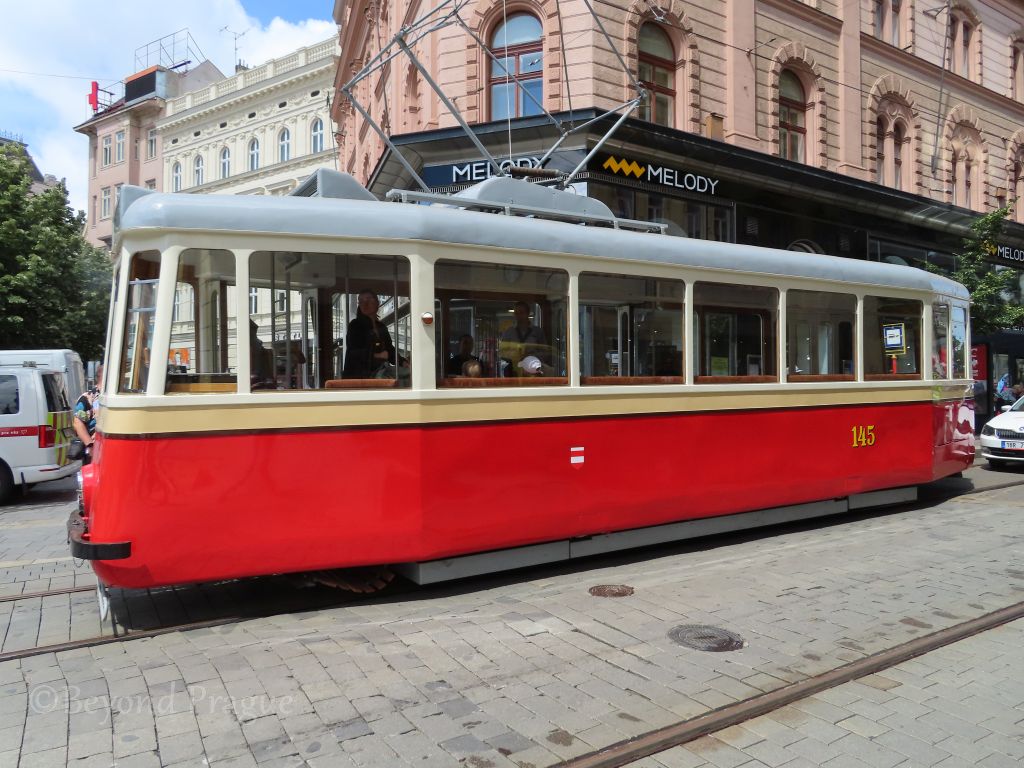
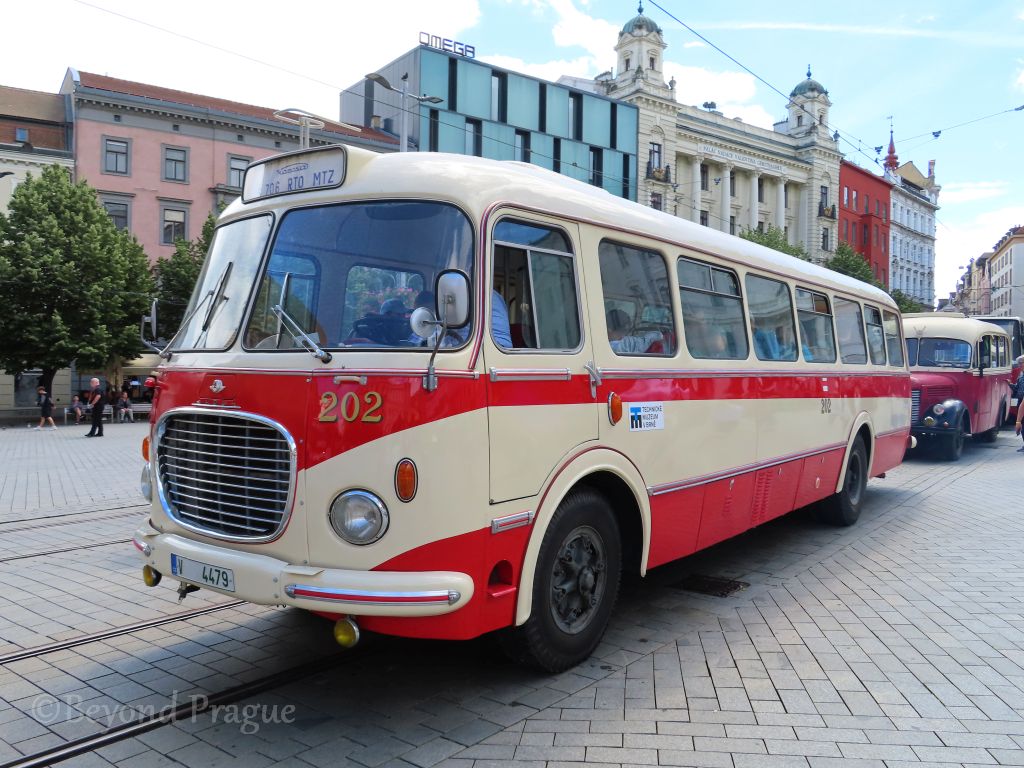
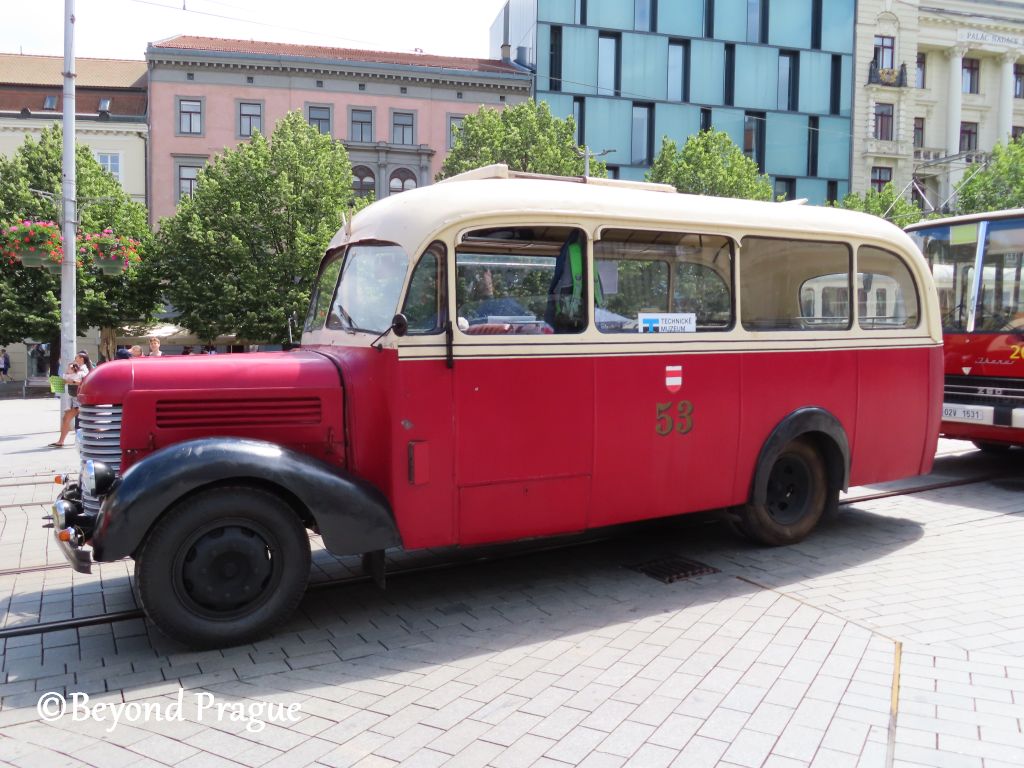
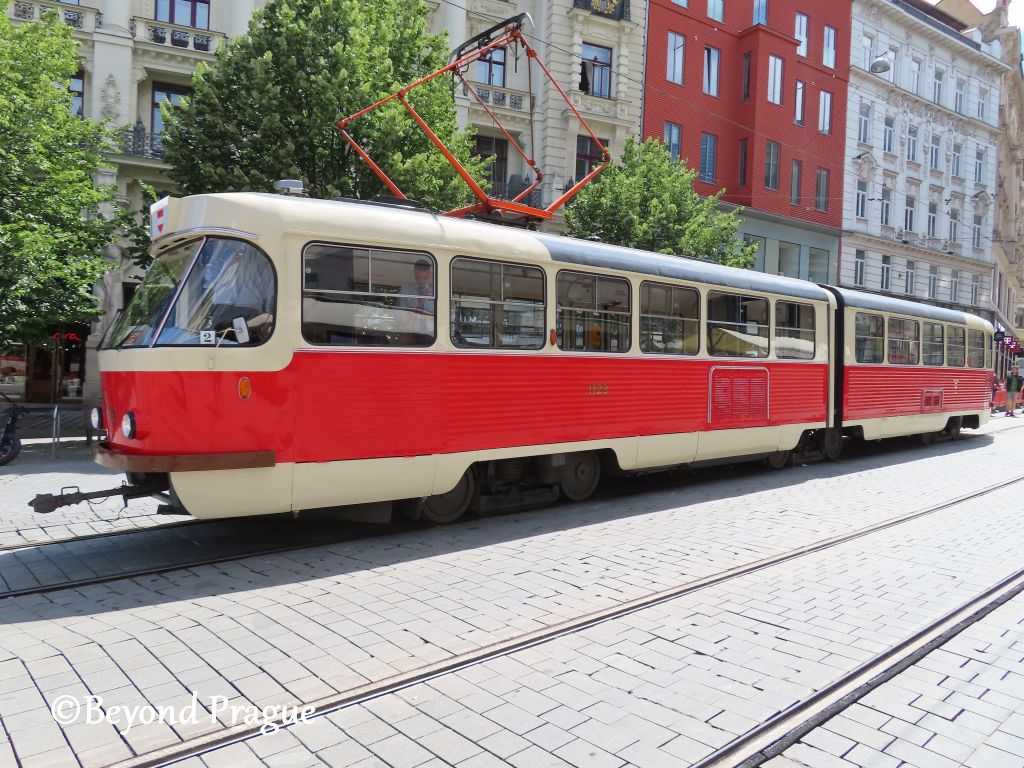
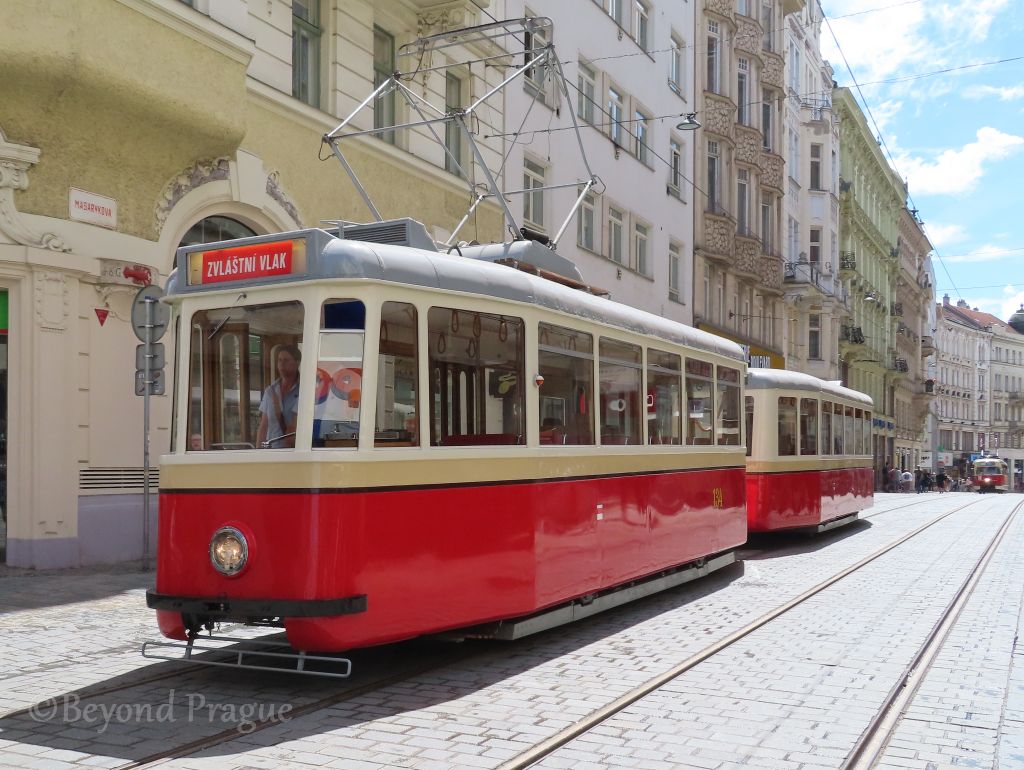
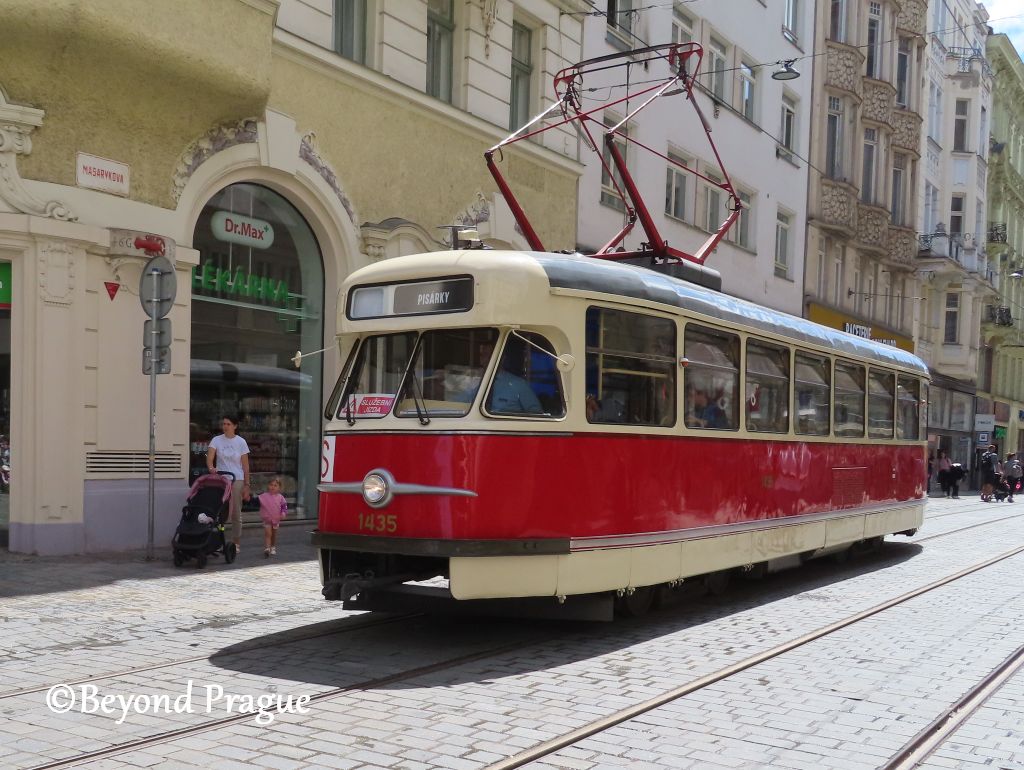
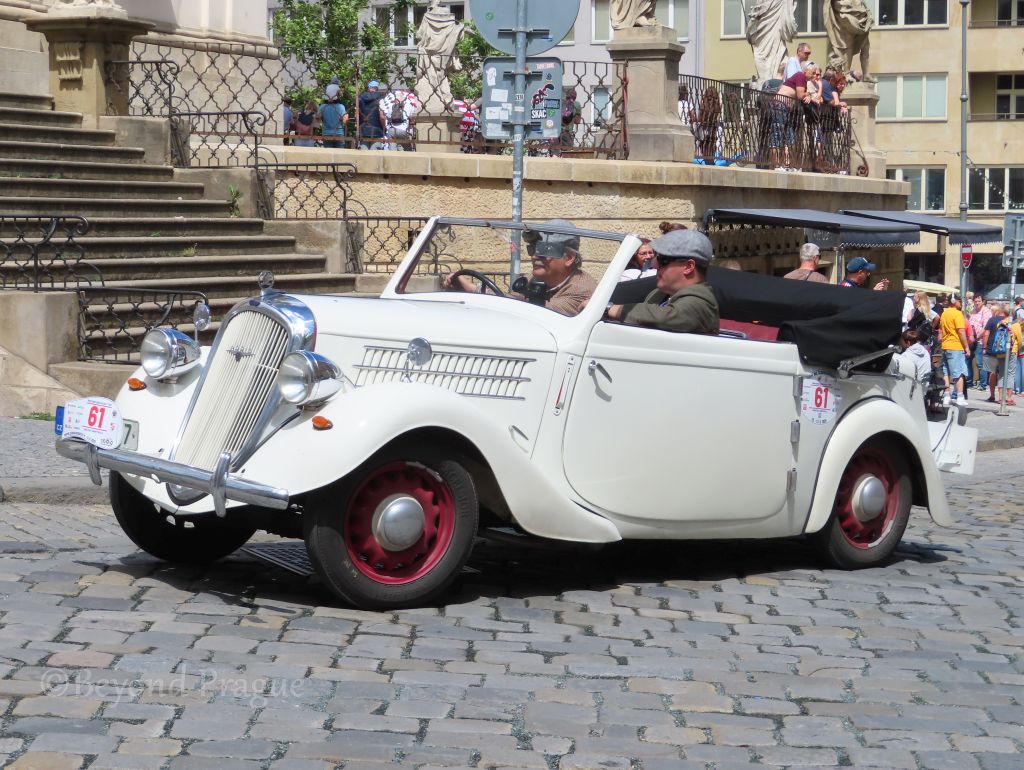
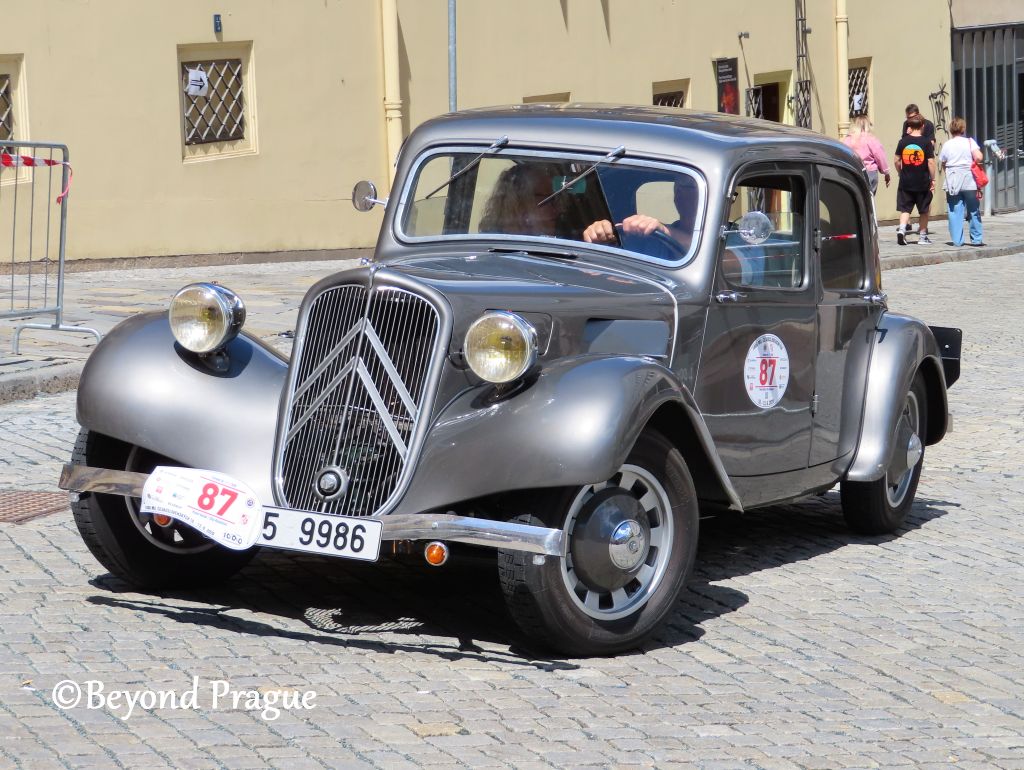
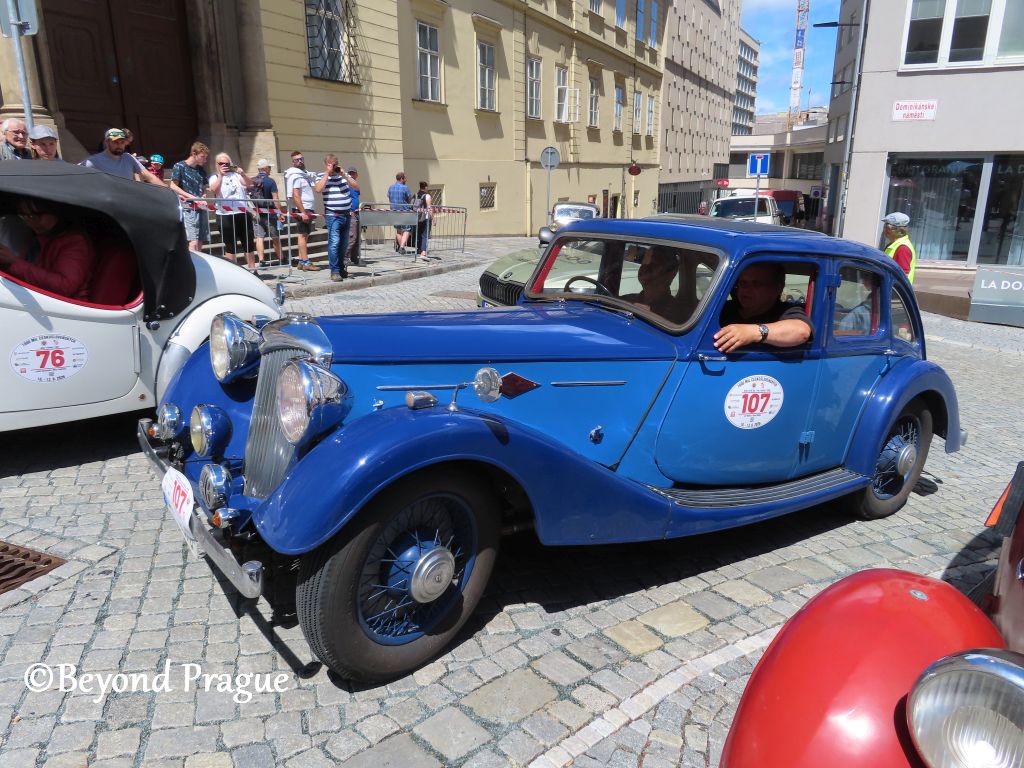
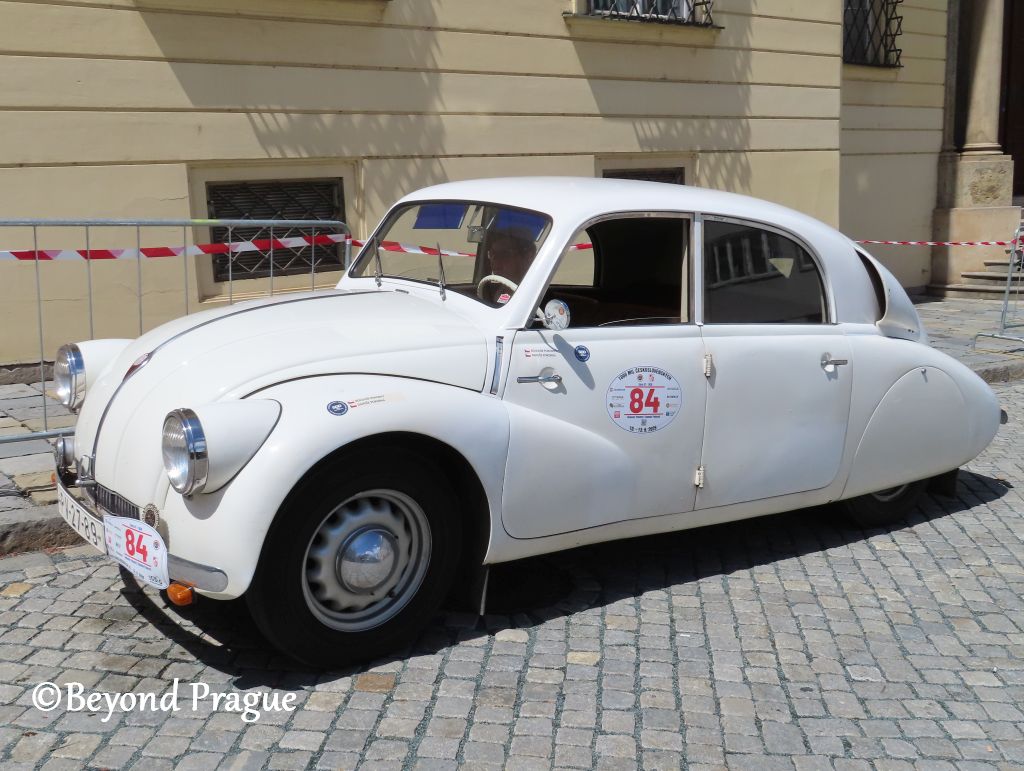
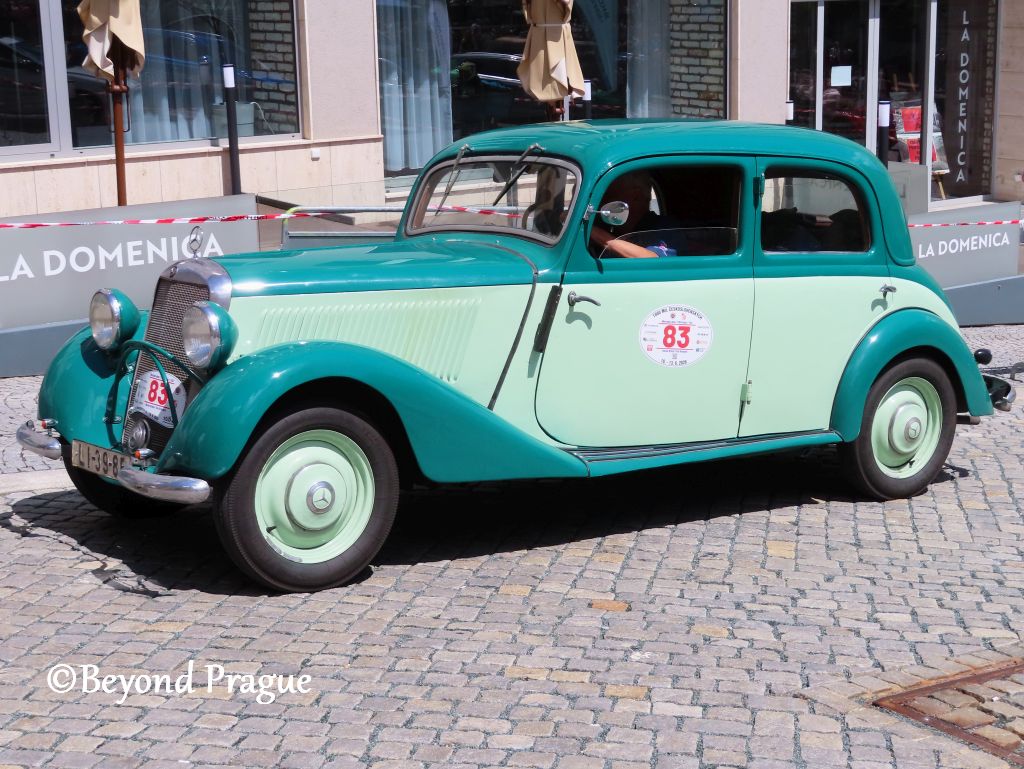
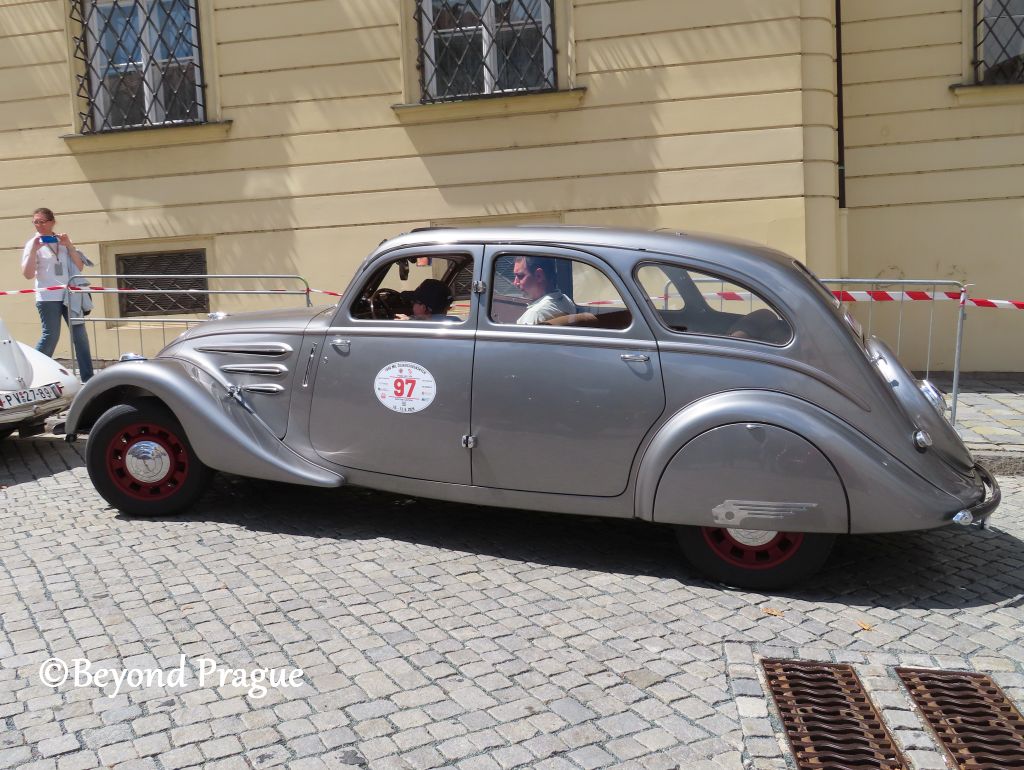
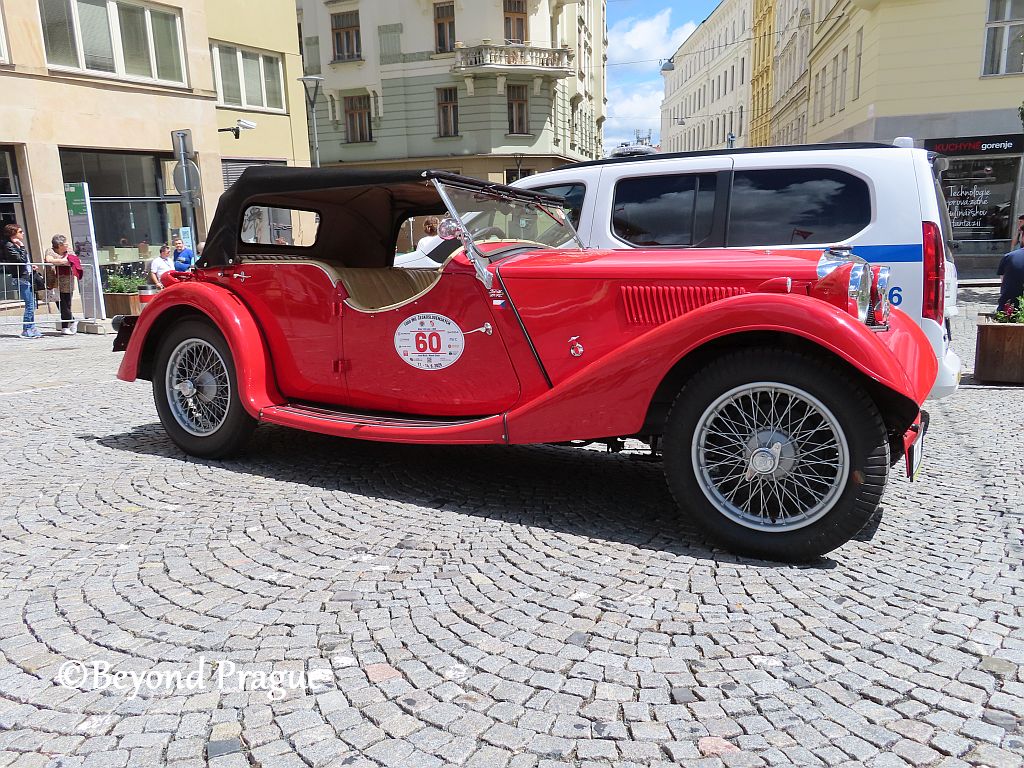
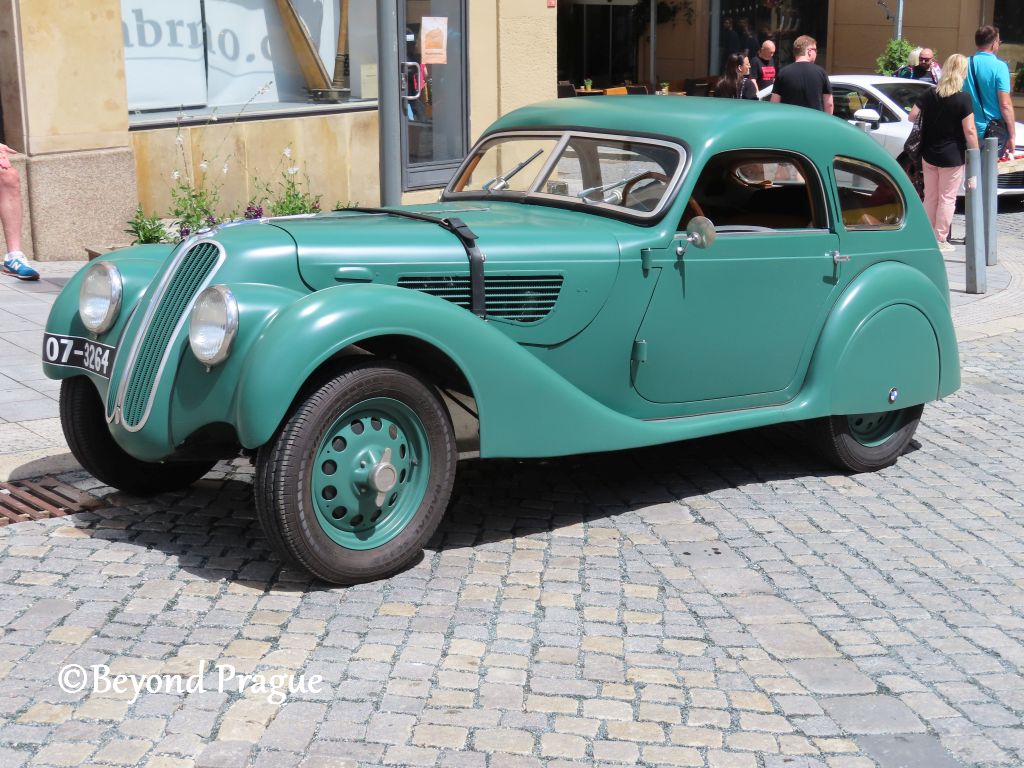
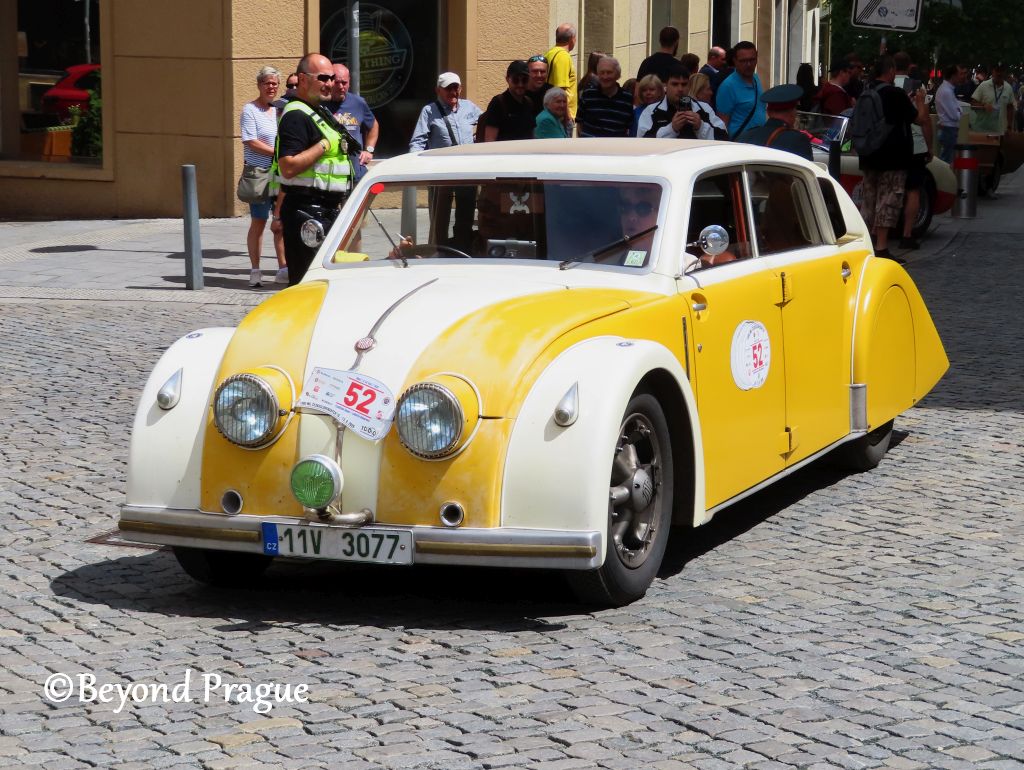
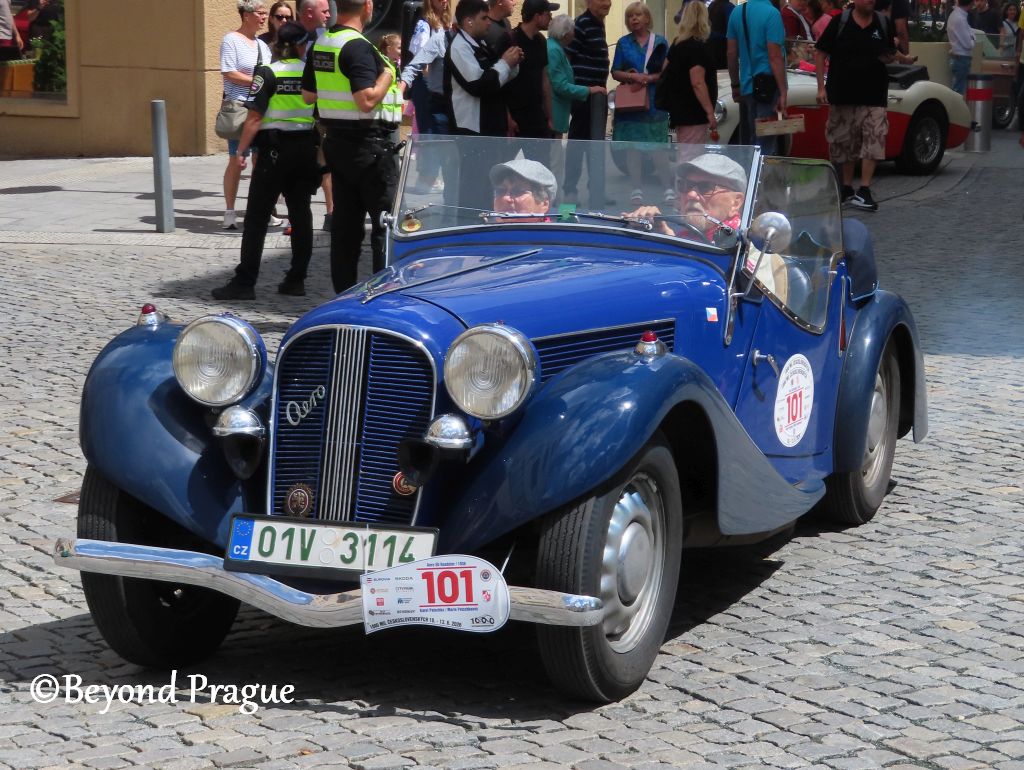
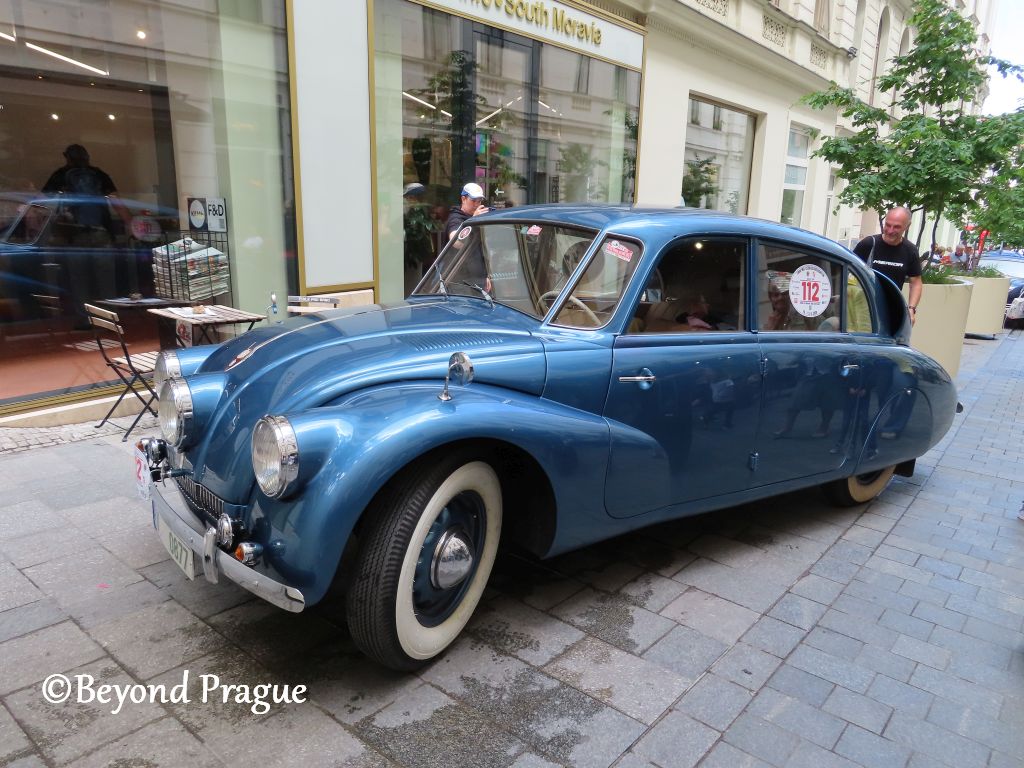
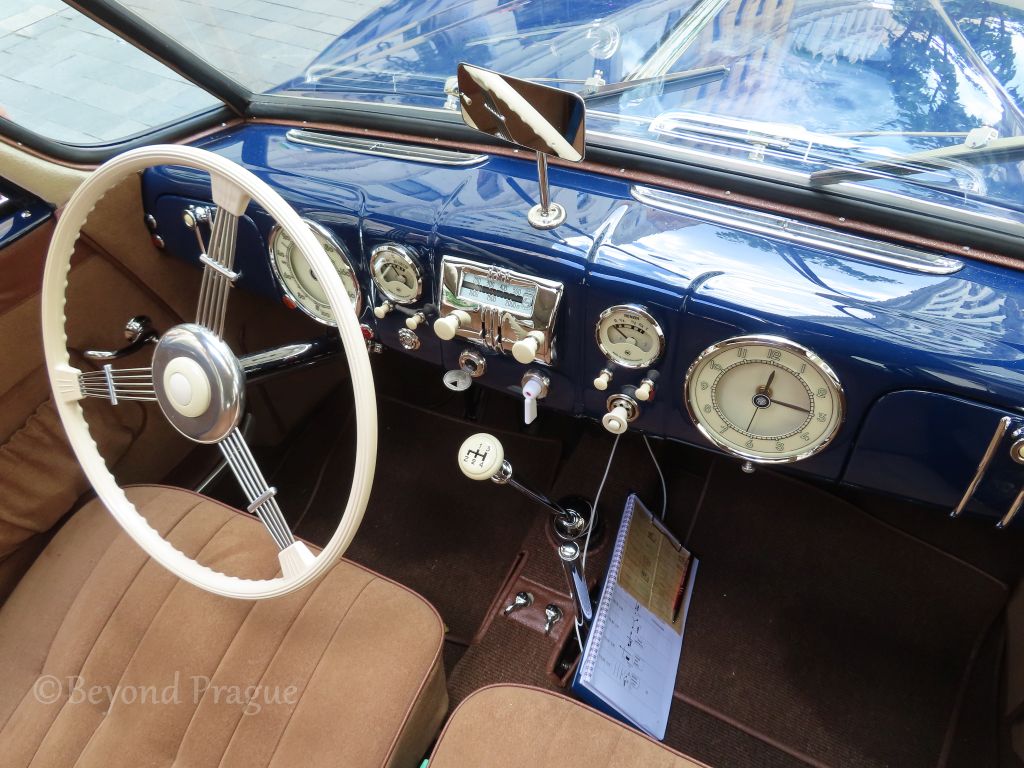
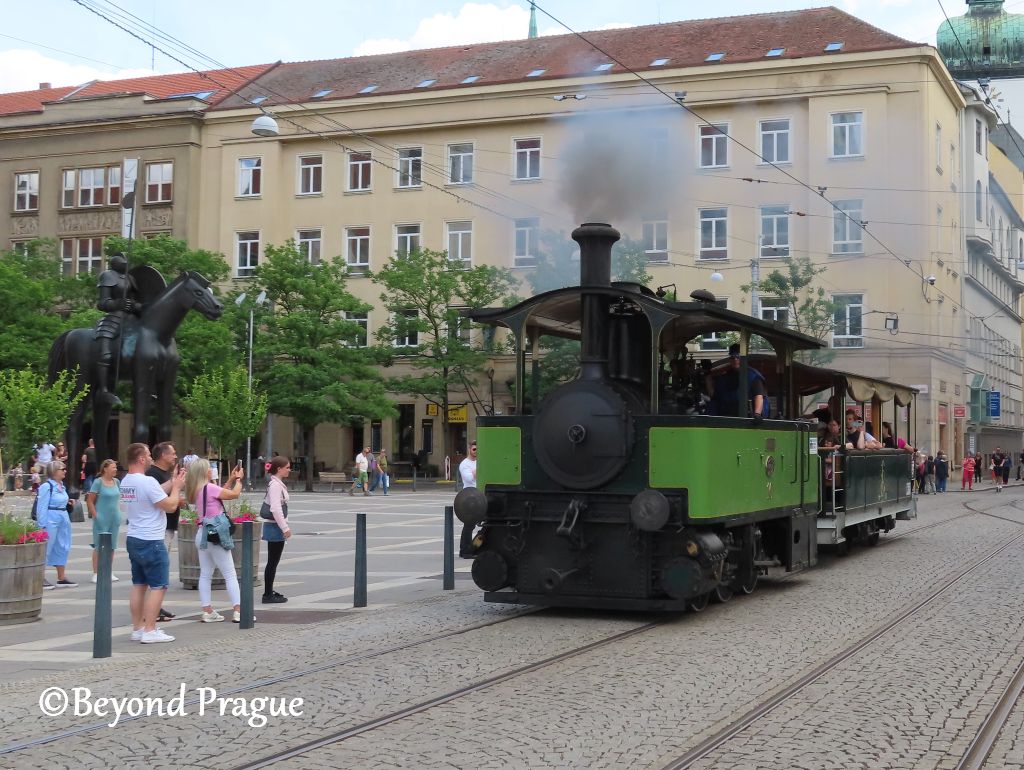
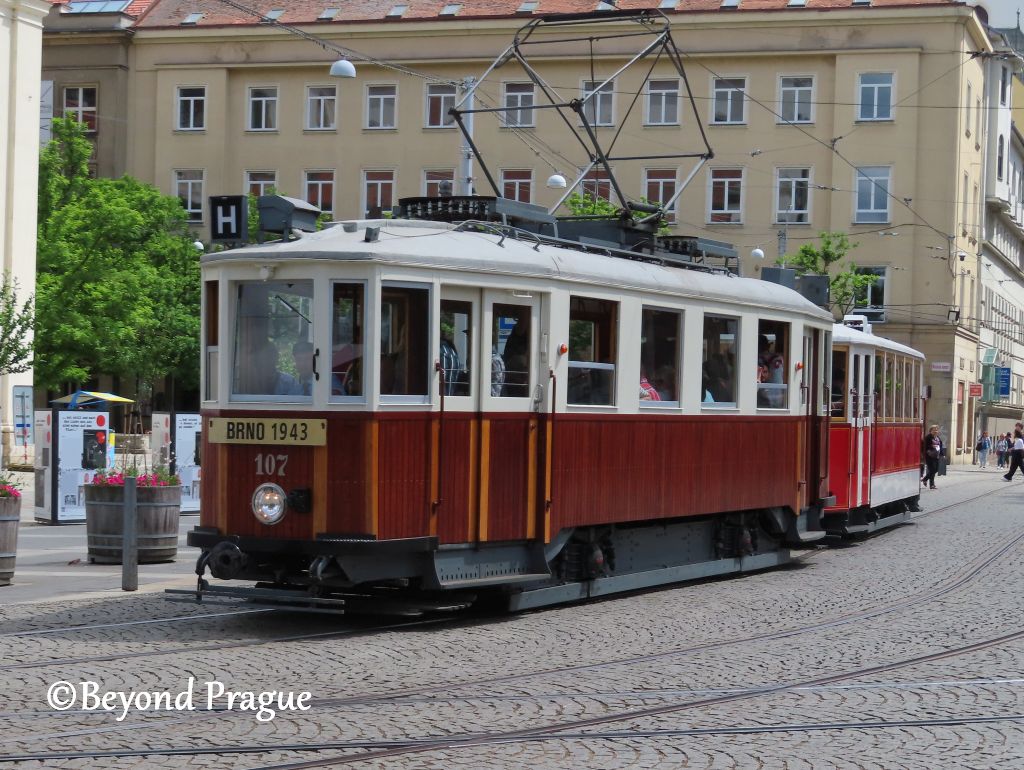
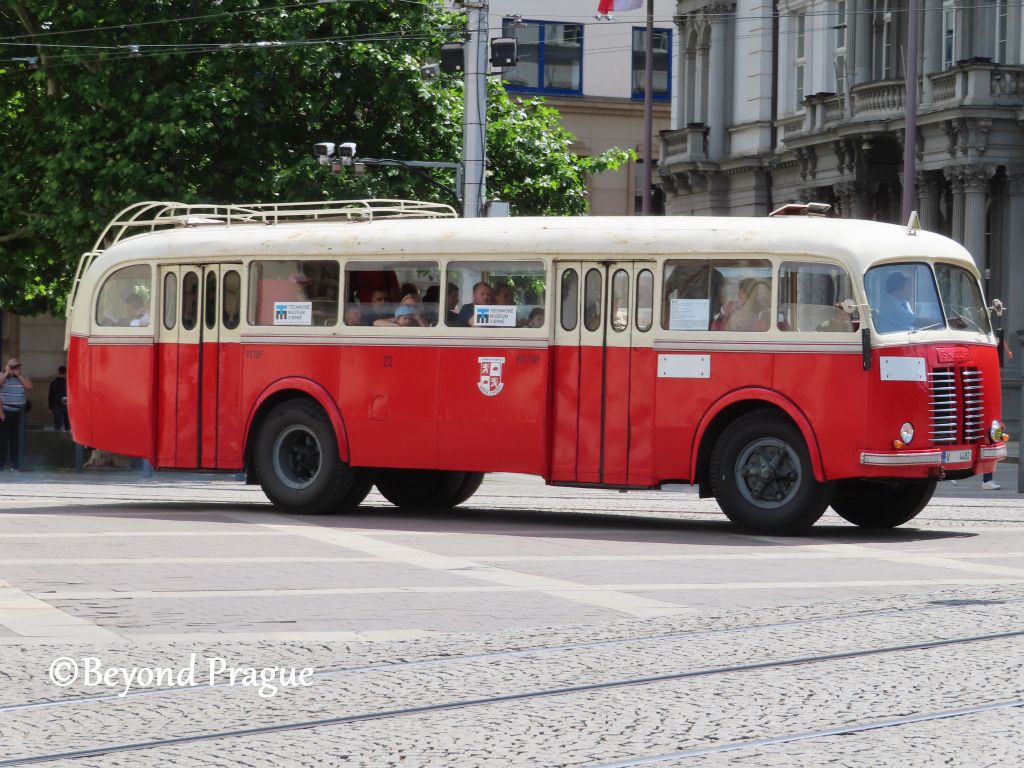
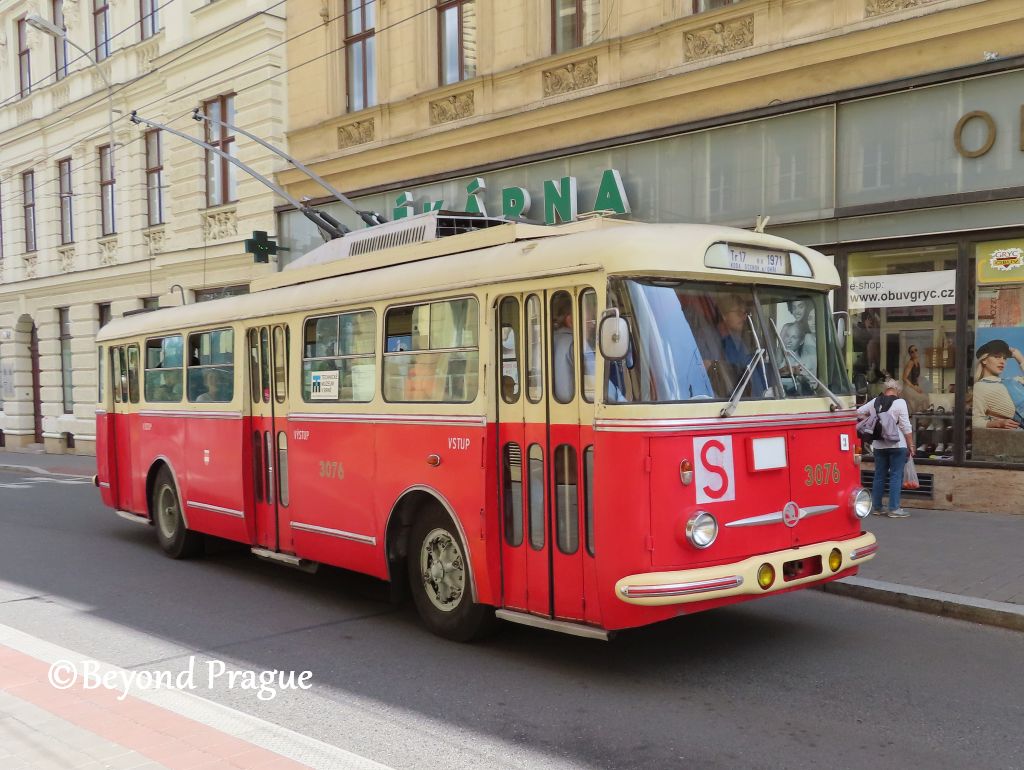
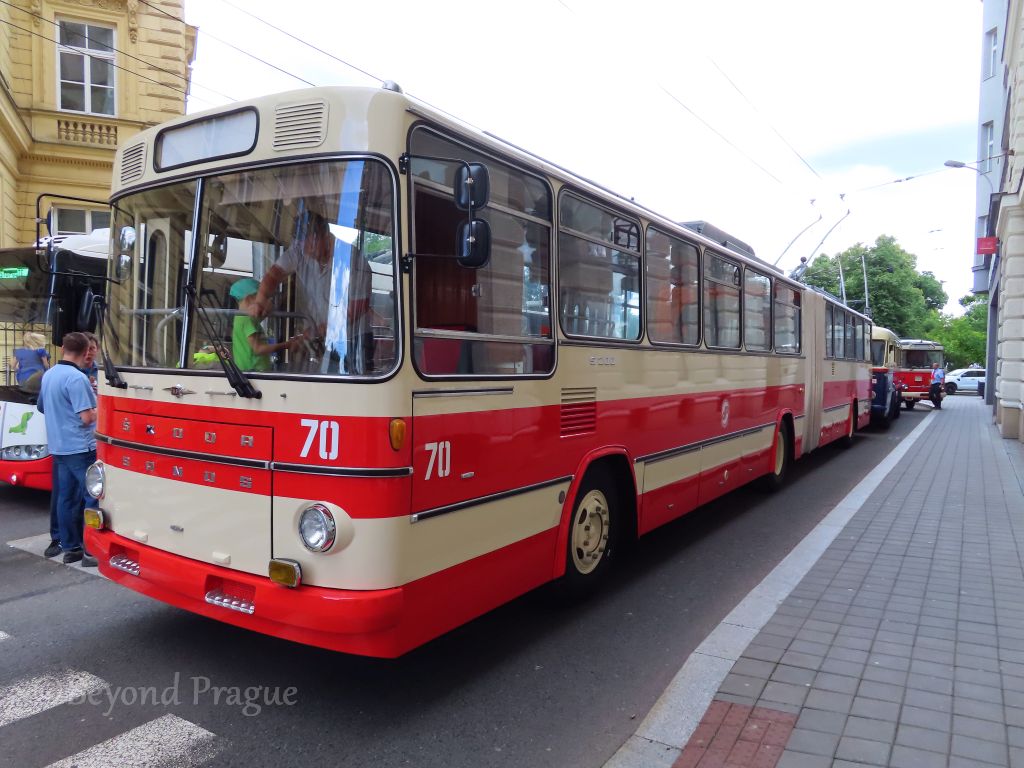
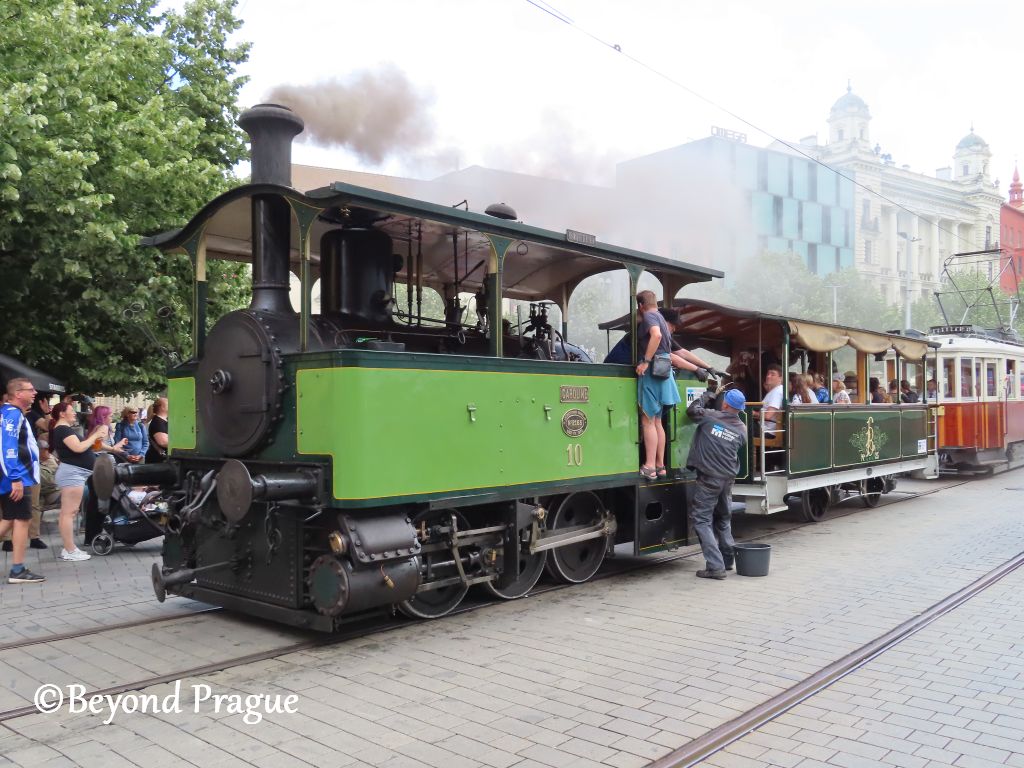
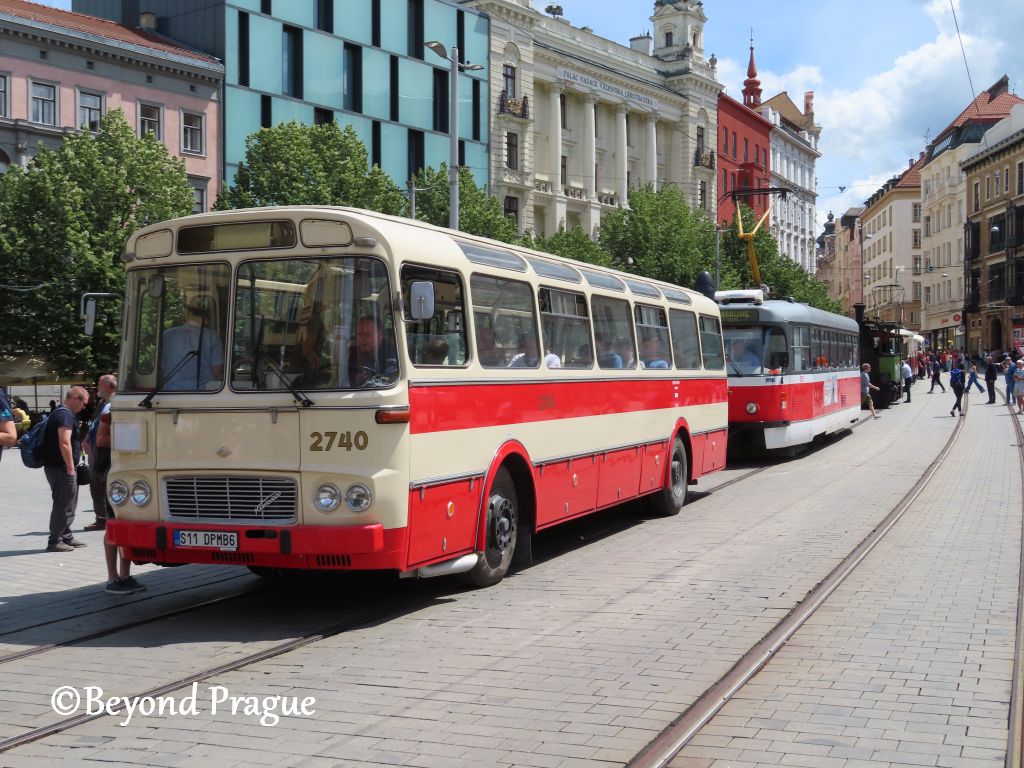
This weekend, 13-14. 6.2026, The centre of Brno is full of vintage public transport vehicles from the runable fleet maintained by the Brno Technical Museum and the city’s public transport service. Buses, trams, and trolley buses from various eras are available for viewing and riding.
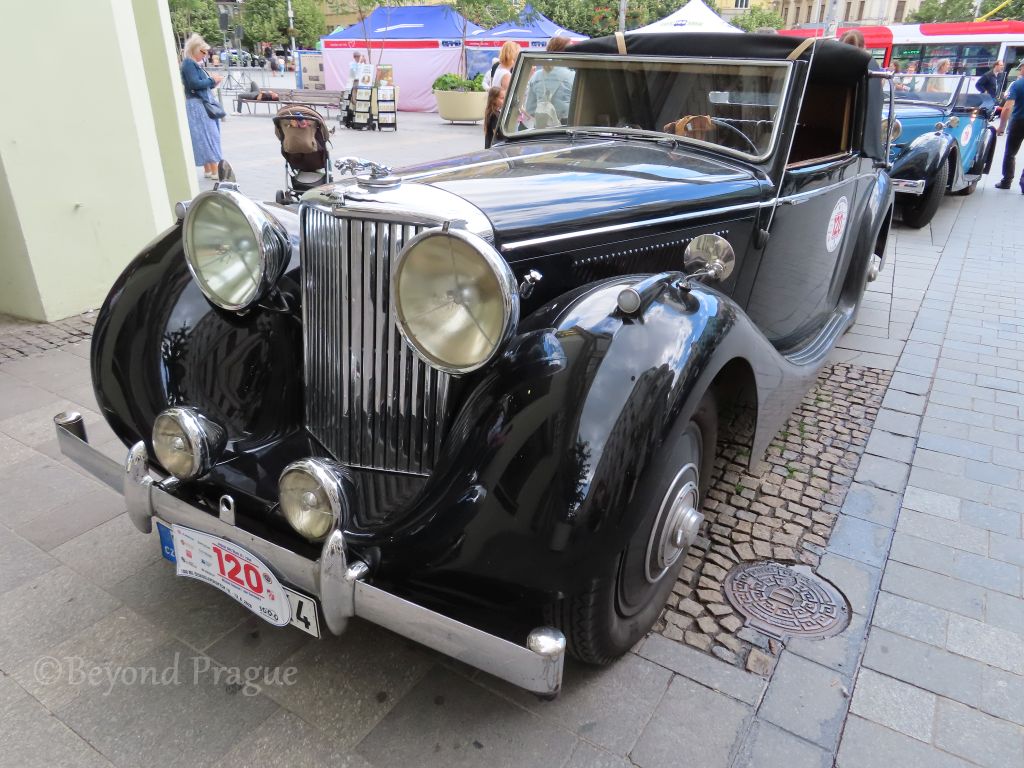
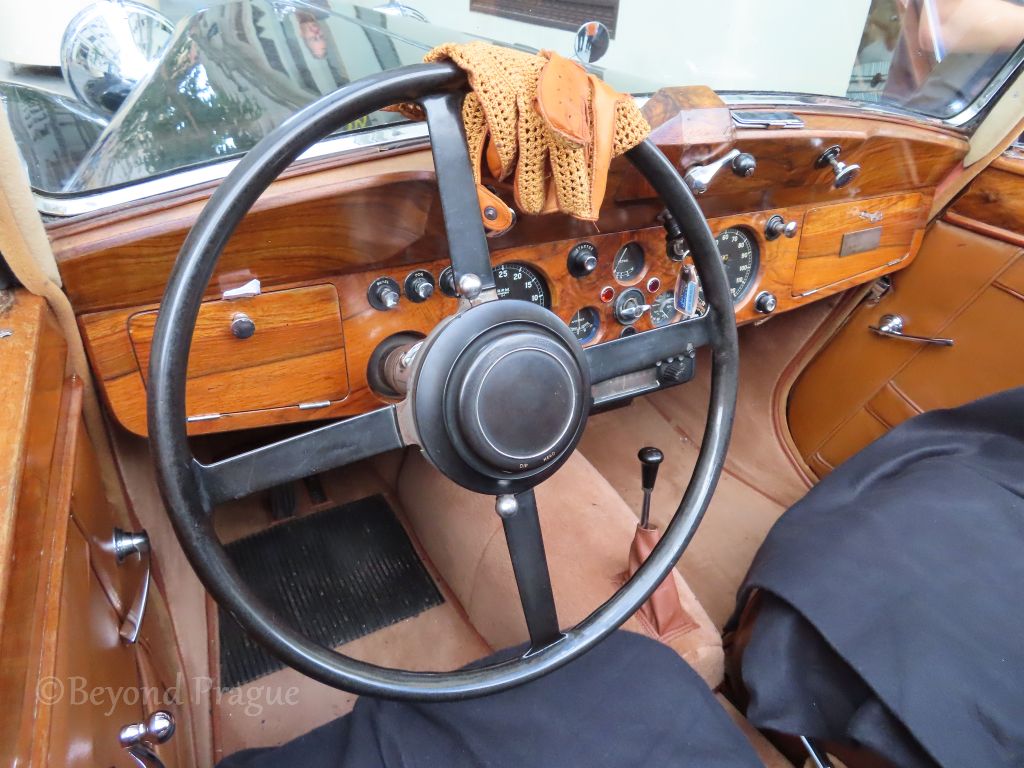
On Saturday, there were also many vintage cars passing through Brno as part of the annual 1000 mil českoslevenských ralley from Prague to Bratislava and back.
Here’s some of what was on view on Saturday:


A Gem Within a Gem
Many tourism resources describe Olomouc, the principal city of Central Moravia, as a “hidden gem”. Having visited the city several times, I must disagree with that assessment.
Olomouc is easy to reach by rail or road, and the city does an excellent job of promoting its attractions to prospective visitors. There is certainly enough to see and do to fill an enjoyable weekend.
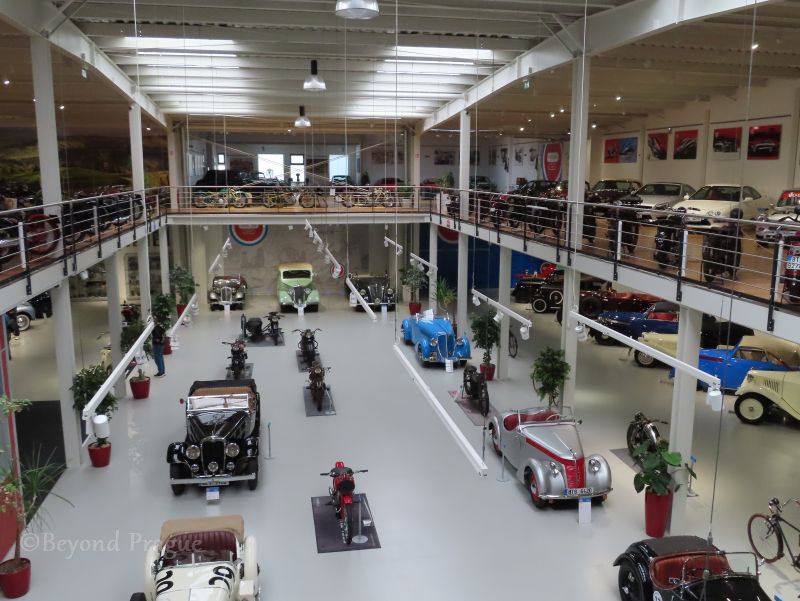
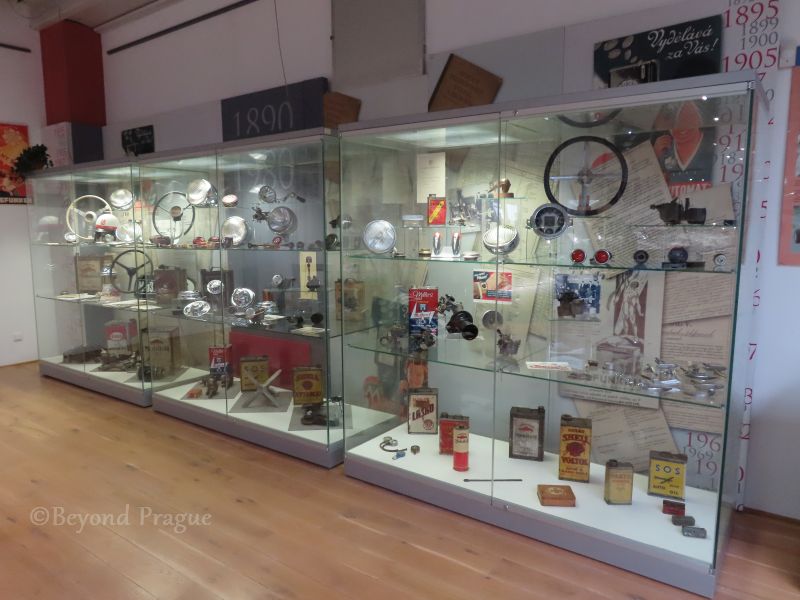
That said, Olomouc does have a few hidden gems of its own for visitors to discover. Among them is Veteran Arena, an automotive museum housing a collection of more than 100 vintage cars and motorcycles dating from the 1920s onward.
Why do I consider Veteran Arena a hidden gem? Located east of the main railway station rather than west of it, where the historic centre and most major attractions are found, the museum lies outside the city’s usual tourist routes. It is also tucked away and not visible from the main roads. Despite this, it is easy to reach and should not be missed by anyone with an interest in vintage vehicles.
Let’s take a closer look at Veteran Arena:
Pragas, and Škodas, and Tatras—Oh my!
When Czech cars are mentioned, the first name that comes to mind for most people is Škoda Auto. Praga and Tatra may also be familiar. These are among the world’s oldest automotive manufacturers and are well known beyond Czech borders.
Veteran Arena features several representatives of these three great Czech marques, along with vehicles from domestic manufacturers that may be less familiar to international visitors.
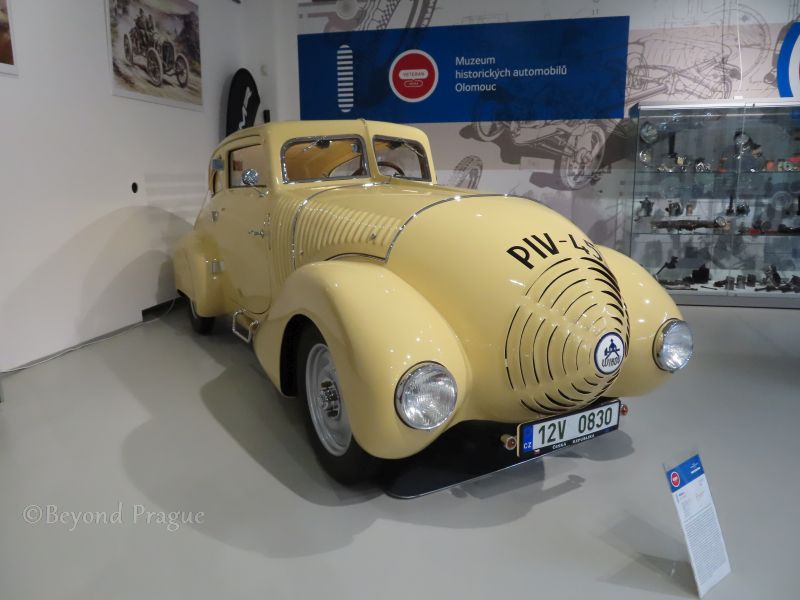
One such company is Wikov, which produced cars in the nearby city of Prostějov between 1924 and 1940. Wikov specialized in small production runs of luxury automobiles, making its surviving vehicles both rare and highly sought after by collectors.
A particularly eye-catching exhibit is the Wikov 35 Kapka from the early 1930s. “Kapka” means “drop”, and the car was the first Czechoslovak automobile designed with aerodynamics as a central consideration. It was not a commercial success, and only about 150 examples were produced over a three-year period.
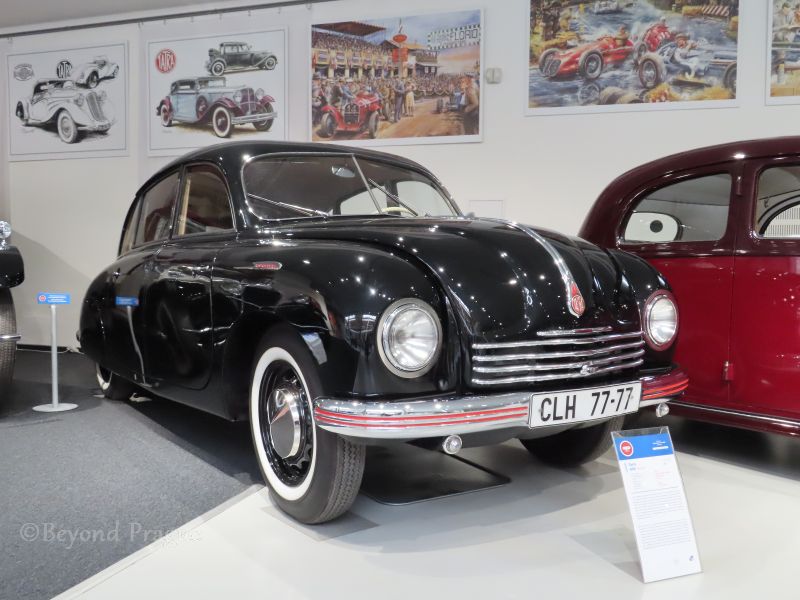
Staying with the theme of aerodynamics, Tatra became famous for a remarkable series of streamlined cars that began with the V570 prototypes in 1931. Veteran Arena includes a Tatra 600 Tatraplan from 1951, one of the finest examples of the company’s post-war design philosophy. The model was produced from 1948 to 1952 and represents the mature expression of Tatra’s early aerodynamic design philosophy.
The museum also displays vehicles from lesser-known Czech manufacturers such as ČZ, Jawa, and Zbrojovka Brno. If you recognize the names ČZ and Jawa, it is likely through their motorcycles rather than their automobiles. Zbrojovka Brno was best known as a firearms manufacturer, though it also produced cars between 1924 and 1936.
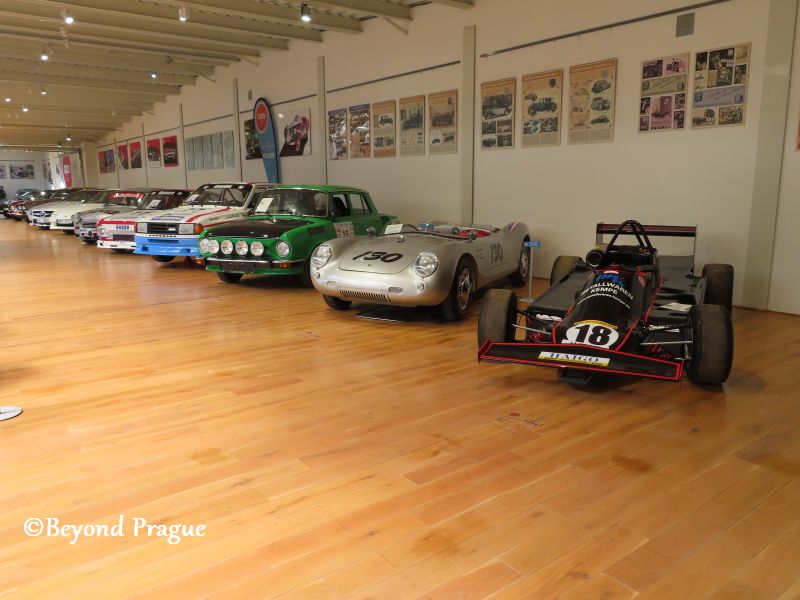
In addition to vintage road cars, Veteran Arena also displays vehicles associated with motorsport. This is entirely fitting, as Czech manufacturers have a long and distinguished history in a wide range of racing disciplines.
Škoda has represented the country with distinction for generations, particularly in the World Rally Championship.
MTX has also been active in many forms of competition, including open-wheel racing.
On the second floor, a line of rally and racing cars includes the legendary Škoda 130 RS. During its competitive peak from 1975 to 1982, it earned the nickname “Porsche of the East” for its exceptional performance, agility, and handling. Today, it remains a popular Škoda model among collectors..
Foreign Flavours
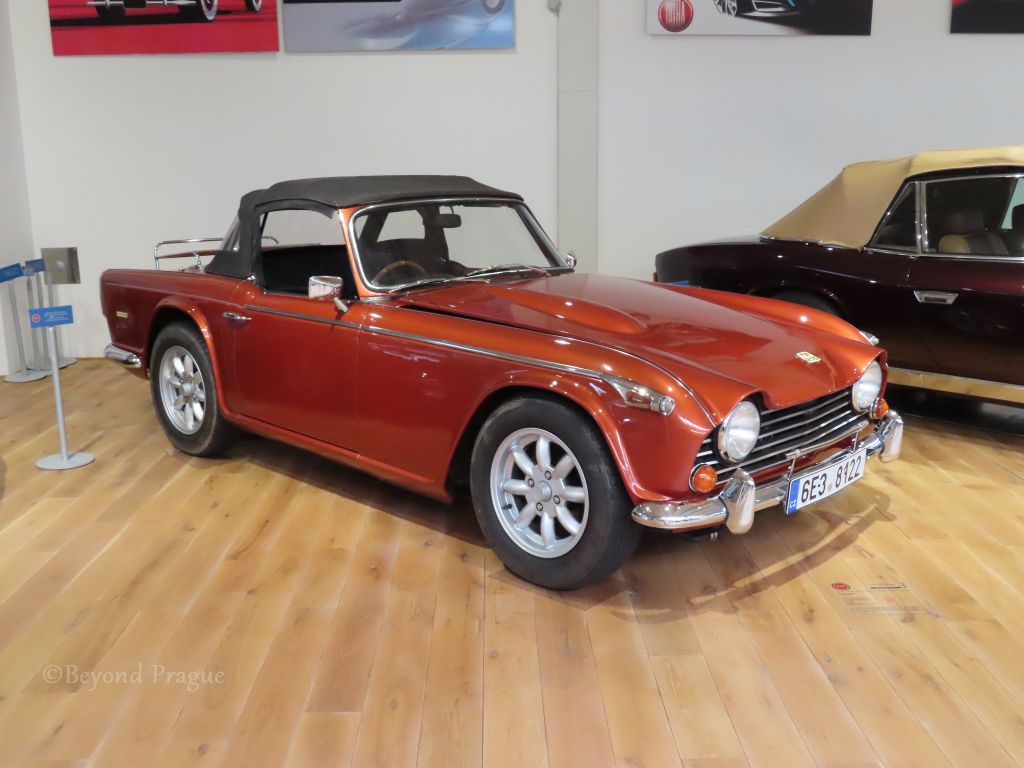
Veteran Arena does not limit itself to domestic vehicles. It also boasts the largest collection of classic British cars in the Czech Republic.
Among the British marques represented are Alvis, Aston Martin, Bentley, Frazer Nash, Invicta, Jaguar, Jensen Motors, and Triumph.
It is fascinating to compare the similarities and differences between British and Czech automotive design as you move through the collection.
British vehicles are only part of the international selection. Cars from Buick, Ferrari, Honda, Mercedes-Benz, Toyota, and Trabant are also on display.
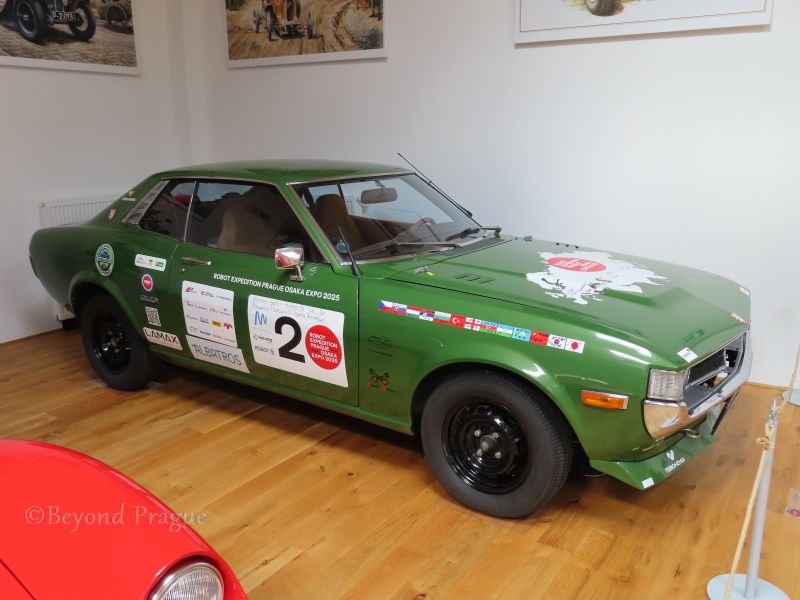
One particularly memorable exhibit is a 1977 Toyota Celica ST that participated in a convoy of seven vintage cars—five of them Czech—driven from Prague to Osaka for Expo 2025. The journey covered approximately 16,000 kilometres through twelve countries across Europe and Asia and took about one month to complete.
The graphics on the front of the car are especially worth examining. They include a large route map and the flags of the countries the group intended to visit.
Most of the flags bear check marks and handwritten arrival and departure dates. The flag of Uzbekistan, however, is crossed out, reflecting the group’s decision to reroute in order to avoid potential bureaucratic delays.
The convoy arrived in time for the official opening of the Czech pavilion at Expo 2025. The participants symbolized not only the durability of Czech engineering, but also the adventurous spirit that has long been part of the Czech national character.
The expedition also retraced the path of the Sakura Expedition of 1970. When Osaka hosted the World Expo that year, a challenge was issued for participants to arrive in unconventional ways. Four Czechs responded by hitchhiking and walking from Prague to Osaka across Europe and Asia.
From Four Wheels to Two
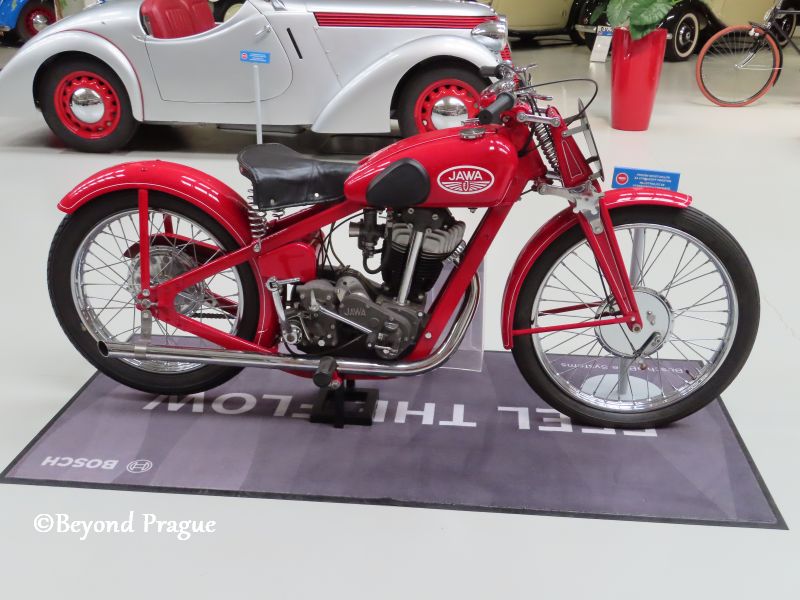
The Czech Republic has an equally rich tradition of motorcycle manufacturing. Earlier, I mentioned ČZ and Jawa, but other important names include Böhmerland, ESO, Ogar, and Praga.
Jawa and ČZ were dominant forces in several categories of motorcycle racing and did much to establish Czech engineering’s reputation at the highest levels of international competition.
As with the cars, the motorcycle collection is international in scope and spans numerous eras and categories. British marques such as BSA, Norton, and Triumph stand alongside American motorcycles from Indian and Harley-Davidson. Machines from Germany and Sweden are also represented.
Paying a Visit and Learning More
Veteran Arena is more than simply a building filled with old cars and motorcycles; it has a distinctive atmosphere all its own. Vintage petrol pumps and service-station equipment are interspersed among the vehicles, adding to the sense of stepping back in time.
Numerous display cases contain automotive components and other motoring paraphernalia.
In addition to the vehicles, the museum includes vintage technologies such as radios and gramophones, which further enhance the period ambience. I spent two and a half hours there without noticing how quickly the time had passed, and I would recommend setting aside at least that much time to appreciate the collection fully.
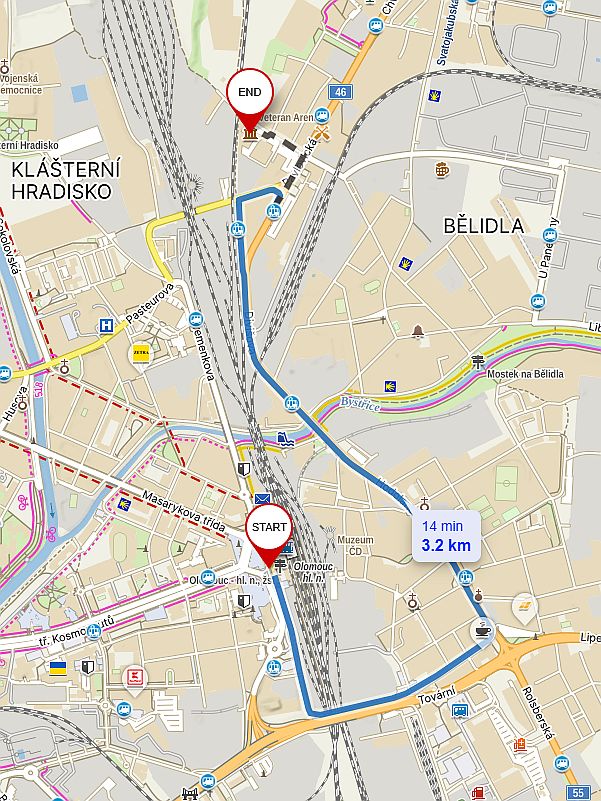
Although tucked away in a less touristy part of the city, Veteran Arena is straightforward to reach. I arrived in Olomouc by coach and got off near the main railway station. From there, I took Tram No. 4 to the Pavlovičky stop, followed by a walk of about five minutes to the museum.
If you are starting from another part of the city, Olomouc Public Transportation provides an easy-to-use journey planner and a mobile app for purchasing electronic tickets. Both are available in Czech and English.
The entrance area contains the ticket desk, a security desk, and public washrooms.
At the time of my visit in May 2026, payment was accepted only in cash, and there was an additional fee for photography. My ticket included a barcode that had to be scanned at a turnstile to enter the exhibition hall.
The limited communication required to purchase my ticket was conducted in Czech, so I cannot comment on the staff’s ability to converse in other languages. In addition, all exhibit information panels were in Czech only. If you do not read Czech, it is advisable to have a translation app ready.
This potential language barrier should not dissuade you from visiting this outstanding museum.
To learn more, visit the official Veteran Arena website, which provides information on opening hours, admission prices, and other practical details in Czech, English, German, and Polish.
Olomouc has much more to offer visitors. For an overview of the city’s other attractions, see my article about Olomouc.
This coming weekend is the Easter weekend, one of the bigger holidays in the Czech Republic.
Many places have Easter markets and Brno is no exception. Here’s a small gallery of pictures form this year’s Easter market in Brno:


To learn about Easter in the Czech Republic and traditions, follow this link to my existing article on the subject.

2026 is the 80th anniversary year of legendary Czech tractor company, Zetor!
Zetor started as the tractor building division of the Zbrojovka Brno company in 1945, but became its own company in 1946.
I’ve taken the opportunity to revisit my existing article about Zetor and make some improvements on it. I’ve removed some outdated sections and improved the flow of text as well as update the list of links.
I hope you enjoy the updated article as much as I enjoyed updating it:
https://beyondprague.net/made-in-the-czech-republic/made-in-the-czech-republic-zetor/
A Bastion in the Valley
Vranov nad Dyjí is a small town in the South Moravian region that shares its name with the picturesque Baroque chateau perched on a rocky promontory approximately 80 metres (262 feet) above the townsite. The town lies along the Dyje River, roughly 3 kilometres (2 miles) from the Austrian border.
The Dyje River Valley is a protected natural region forming the heart of Podyjí National Park. The river itself constitutes part of the Czech–Austrian border and is known as the Thaya River on the Austrian side. Together with Thayatal National Park in Austria, Podyjí forms an international park that straddles the frontier and is popular with visitors from both countries.
The chateau and its surrounding parkland complement one another remarkably well, and both are exceptionally photogenic.
With that setting in mind, the story of Vranov Chateau unfolds:

Through Much History and Many Hands
The current chateau stands on the site of a medieval fortress that once formed part of a border defence system. The earliest written records of the fortress date to around 1100.
Over the centuries, the fortress passed through many hands. The most significant owners were arguably the Althann family, an ancient noble house of Bavarian origin. Their tenure at Vranov spans two distinct periods, encompassing both the original fortress and the later Baroque chateau.
Althann ownership began in 1617, when Wolf Dietrich von Althann (1576–1623) purchased the fortress. His tenure proved short-lived. In 1619, he participated in the Moravian Estates Rebellion, when Protestant landowners in Moravia rose against the Catholic rule of the Habsburg dynasty. This uprising formed part of the broader Bohemian Estates Rebellion, which began in 1618 and culminated in the Battle of White Mountain near Prague in December 1620.
The Catholic victory at White Mountain led to widespread confiscations of Protestant-owned estates, including the seizure of the fortress from the Althann family.
During the Thirty Years’ War (1618–1648), Swedish troops looted the town and damaged the fortress during an unsuccessful siege. A major fire in 1665 later gutted the structure, leaving it effectively in ruins.
The Althanns returned to Vranov in 1680, when Michael Johann II von Althann (1643–1702), a loyal supporter of the Habsburgs, purchased the remains of the fortress. He intended not merely to restore it, but to transform it into a residence befitting contemporary noble taste.
To realize this vision, he commissioned Johann Bernhard Fischer von Erlach (1656–1723), one of the most influential Austrian architects of the Baroque era. Fischer von Erlach played a central role in shaping Baroque architecture in the Habsburg lands, and his work at Vranov reflects that sophistication.
The heart of the Baroque reconstruction was the monumental Hall of Ancestors, begun in 1687. Built on an oval floor plan, the hall features sculptures of prominent members of the Althann family set within alcoves around the perimeter. Above, a grand cupola crowned with frescoes—completed over the course of eight years—dominates the space.
Fischer von Erlach also designed the chateau’s chapel and Althann family vault beneath it.
After Michael Johann II’s death in 1702, his heirs continued to develop the estate. As Baroque tastes gradually gave way to Classicism, elements of the newer style were introduced. The Althann chapter of Vranov’s history came to an end in the late eighteenth century, when financial difficulties led to the estate’s acquisition in 1793 through bankruptcy proceedings by Joseph Hilgartner of Lilienborn (1763–c.1811).
Hilgartner built upon the foundations laid by the Althanns, focusing particularly on the gardens and parkland. His contributions included the addition of stables, a carriage house, and a summer hunting lodge.
His ownership was brief; in 1799 he sold the chateau and town to the Polish noble Mniszek family. In 1876, ownership passed to the related Stadnicki family. Under Polish stewardship, alterations to the chateau were largely decorative rather than structural.
The legacies of the Mniszek and Stadnicki families are perhaps cultural as much as architectural. Both were ardent patrons of literature and the arts, and their presence brought concerts and theatrical performances to the chateau, along with the creation of an extensive library.
The town itself prospered during the nineteenth century. In 1816, Stanisław Mniszek (1774–1846) purchased a small local pottery works and invested heavily in its expansion. The enterprise grew into a respected manufacturer of pottery and porcelain, earning a reputation at home and abroad.
Polish ownership ended abruptly in 1938 with the German annexation of Czechoslovakia. The chateau and its lands were confiscated from the Stadnicki family. Following the Second World War, properties owned by individuals of German nationality in Czechoslovakia were seized by the state, and Vranov Chateau remains in state ownership today.
Take a Look Inside
While the exterior preserves its Baroque character, the interiors reveal the influence of Classicism most clearly.
Two guided tour options are available. The first, lasting approximately 45 minutes, includes the state rooms and the Hall of Ancestors and focuses primarily on the Althann period.
The state rooms provide an excellent introduction to the principles of Classicist design. In contrast to the excess of the Late Baroque, Classicism favoured restraint: cleaner lines, balanced proportions, and decoration inspired by the architecture of ancient Greece and Rome.
Like the Hall of Ancestors, the entrance hall is imposing in scale and crowned with a frescoed cupola. Illusionistic paintings of columns and classical motifs adorn the walls and lower portions of the dome. The furnishings are refined and luxurious without appearing excessive.
Other rooms on the basic tour that illustrate the spacious and orderly qualities of Classicism include the dining room and the drawing room. Both feature wall coverings in muted colours, restrained decorative detailing, stucco accents, and finely crafted wood mouldings at the tops and bottoms of the walls.
The second tour, lasting approximately 50 minutes, explores the private apartments and the chapel interiors, with emphasis on the Mniszek and Stadnicki eras.
Tours are conducted in Czech only; however, printed materials in other languages are available upon request to assist non-Czech speakers.
Paying a Visit and Learning More
Vranov nad Dyjí and the chateau are accessible by road. If travelling by bus from elsewhere in the Czech Republic, you will likely need to transfer in Znojmo. The bus from Znojmo stops at Vranov nad Dyjí, Zámecký hotel, where you can connect to another bus that continues to Vranov nad Dyjí, Zámek, adjacent to the chateau.
Visitors arriving by car should note that the main parking lot is located in the town approximately 800 metres (0.5 miles) downhill from the chateau. Limited bus service operates from the parking area to the Vranov nad Dyjí, Zámek stop. Alternatively, a walking path runs roughly parallel to the road, ascending through forested terrain to the chateau. The route is uphill, and suitable footwear, reasonable physical fitness, and tick-appropriate insect repellent are essential.
As part of Podyjí National Park, the surrounding area offers numerous hiking and cycling trails, some of which provide scenic approaches to the chateau.
For current information on opening hours and admission fees, the chateau’s official website is the best starting point.
Vranov’s appeal extends beyond the chateau itself. As part of a national park region rich in natural beauty and cultural heritage, the broader Vranovsko region offers much to explore for those willing to linger.

Students and Solidarity
November 17 is a national holiday in the Czech Republic commemorating two student-led protests against tyranny. The first, in 1939, was a demonstration against the German occupation that followed the killing of a Czech student by German troops.
Fifty years later, on the same date in 1989, Czech students once again protested tyranny—this time against the Communist regime—sparking the Velvet Revolution. The date’s current national holiday status is more closely associated with the 1989 events.
November 17, 1939
On this day, the dormitories of Prague’s Charles University were stormed by Nazi forces following student-led protests against the German occupation of Czechoslovakia. Nine students identified as ringleaders were executed without trial.
More than 1,000 others who participated in the protests were sent to concentration camps, and all Czech universities and colleges were closed for three years.
A detailed account of those events can be found here:
November 17, 1989
Students in Czechoslovakia once again rose against oppression in 1989—this time against Communist rule. After decades of authoritarian control, the decline of the Eastern Bloc led to widespread unrest and demonstrations throughout Central and Eastern Europe. In Czechoslovakia, the November 1989 protests culminated in the fall of the Communist regime.
New political parties were formed and legalized, the Communist Party was stripped of its powers, and Václav Havel (1936–2011) was appointed president. Thousands of political prisoners were granted amnesty. These events became known as the Velvet Revolution.
For more information, see:
Freedom Week
For many Czechs, November 17 is simply a public holiday. However, those who wish to commemorate the day can attend various events in the week leading up to it, collectively known as Freedom Week. The largest celebrations take place on Prague’s Národní třída, a major site of the 1989 protests.
Freedom Week is organized by the non-profit group — Díky, Že Můžem (Thanks that we can). Their flagship event in Prague, Korzo Národní, offers a wide range of activities in both Czech and English.
Smaller Freedom Week events may also be found in other locations across the country.
South Slavic Splendour
Towards the end of October 2025, we spent a week in Slovenia. This article offers an example of what you can do in this small but vibrant country in five days.
It was our first visit, and Slovenia left an excellent impression on us. We’d happily return to see more. Although the country covers only 20,271 square kilometres (7,827 square miles), there’s an incredible amount packed into that small area. From a tourism perspective, Slovenia truly is the definition of good things coming in small packages.
Our hotel was in the capital, Ljubljana, and our trip was a mix of business and pleasure. For the first couple of days, my girlfriend, Jana, attended business meetings, which gave me the opportunity to visit a few places she wasn’t particularly interested in. By mid-week, her meetings were done, and we were officially on holiday together.
Excluding travel days, we had five full days to explore. Here’s what we managed to do in that time:

Day One: The Founding of a Nation
After breakfast at our hotel, I made my way to Ljubljana’s train station and boarded a train for Pivka — a small town about an hour and a half southwest of the capital.
My destination was the Military History Park (Park vojaške zgodovine). The park features a well-organized collection of military vehicles and artefacts spanning from the Second World War to Slovenia’s independence in 1991.
More than just a military museum, the park offers an engaging way to learn about the Yugoslav resistance during the war, the rise and fall of Yugoslavia through the Cold War, and the emergence of modern Slovenia after its dissolution. One of the most fascinating exhibits is a walk-through timeline that illustrates these events in context.
The park also presents the Non-Aligned Movement, a nuanced element of the Cold War that Yugoslavia helped pioneer. This movement provided countries seeking self-determination with an alternative to strict alignment with either the Eastern or Western Blocs — offering greater flexibility in trade and development.

The collection includes equipment from both sides of the Iron Curtain, along with a significant amount designed and built in Yugoslavia itself. The main complex — consisting of three display pavilions, a central building, and an outdoor area — easily warrants two or three hours of exploration.
A walking trail also leads to remnants of the Alpine Wall, a line of fortifications built by Italy before the Second World War. According to the park’s website, the walk takes about 40 minutes, but I didn’t have time to include it in my visit before catching my return train to Ljubljana.
That evening, at Ljubljana Castle, We attended an informal meet-and-greet connected to Jana’s meetings. The event provided a stunning nighttime view of the capital and a chance to sample some very good Slovenian wine.
If you’re a wine lover, I highly recommend trying a glass or two of the local varieties while in Slovenia.
Day Two: Ljubljana Walkabout
After breakfast, I accompanied Jana to her conference venue and joined a guided walking tour of Ljubljana arranged for delegates’ partners. The two-hour, 6.5-kilometre walk was leisurely, as the city is mostly flat.
Our guide was knowledgeable and offered great insights into the city’s history and architecture. The historic centre features impressive Baroque and Secessionist buildings. The Baroque character stems from a reconstruction following a 1511 earthquake, while the Secessionist style developed after another major quake in 1895.
Much of Ljubljana’s Secessionist architecture is credited to local architect Jože Plečnik (1872–1957), whose influence on the city has been compared to that of Antoni Gaudí on Barcelona. Notable Plečnik works include the Ljubljanica river embankments, the Triple Bridge, the Ljubljana Central Market, the National and University Library, and Žale Central Cemetery.
Plečnik also left his mark in Prague and Vienna. Most notably serving as chief architect for the renovation of Prague Castle from 1920 to 1934. Another of his notable works in Prague is the imposing Church of the Most Sacred Heart of Our Lord in the city’s Vinohrady district.
Another highlight of Ljubljana’s Secessionist style is the Cooperative Business Bank, designed by Plečnik’s contemporary Ivan Vurnik (1884–1971). While Plečnik adhered strictly to the style’s principles, Vurnik experimented more, blending Secessionist form with Slovenian folk motifs. Together with his wife, Helena (1882–1962), he designed the bank building in 1921. Its façade, painted in Slovenia’s national colours and patterned with folk-inspired designs, makes it one of the city’s most striking landmarks.
Our guide also introduced us to remnants of Emona, the Roman settlement that stood where Ljubljana is today. Founded around 50 BC, Emona grew from a military outpost into a town of about 5,000 to 6,000 residents before being destroyed in 452 AD. Traces of the ancient city remain scattered across modern Ljubljana.
The walking tour ended around lunchtime, after which I returned to the hotel for a rest and a light meal. Later, I revisited several sites from the tour, picked up postcards at the tourist information office, and explored a few spots we hadn’t covered.
Ljubljana is compact, flat, and easy to navigate — ideal for walking or exploring via the small electric tourist train that circulates through the city centre.
Day Three: Lake Bled
By the third day, Jana’s meetings were finished, so we enjoyed a slow morning before joining a bus excursion to Lake Bled, one of Slovenia’s most famous destinations.
Located in the northwest of the country, it took our bus about 40 minutes to reach Bled from Ljubljana. I was immediately struck by the clarity of the lake water and pristine environment. For as popular as the area is, it certainly does not bear the scars of being overappreciated.
We boarded traditional pletna boats to reach Bled Island, home to the picturesque Church of the Assumption of Mary. After exploring the island for about half an hour, we continued to Bled Castle, perched on the opposite shore. Said to be Slovenia’s oldest castle, it now serves as a museum and vantage point with spectacular views of the lake, island, and Alps beyond.
Though our group’s schedule was tight, I would have loved to spend more time wandering the lakeside and surrounding trails before returning to Ljubljana for a formal dinner that evening.
Day Four: Lazy in Ljubljana
Knowing our final full day would be a demanding one, we took this day slowly.
We strolled from our hotel to the city centre, browsed a few souvenir shops, and boarded the small tourist train for a one-hour sightseeing circuit. Tickets cost €12 per adult and include disposable earphones for recorded commentary in about 20 languages, accompanied by a video presentation.
The train makes a couple of stops — including Ljubljana Castle — where passengers can disembark, explore independently, and rejoin a later train.
A small word of caution: the train’s entryways are narrow and legroom is limited. If you’re tall or broad-shouldered, you might prefer to explore on foot instead.
Day Five: Caves and Castles
On our last full day, we travelled 40 minutes southwest of Ljubljana with a small group to visit Postojna Cave Park, which includes Pojstona Cave and Predjama Castle.
We began at Predjama Castle, dramatically built into a mountainside — an architectural marvel and a formidable medieval fortress. The self-guided tour provides audio commentary in multiple languages via a handheld device.
The castle’s interior is practical and austere, reflecting its defensive purpose. Constant moisture seeps through the rock, so it’s easy to see why luxuries would not have lasted here. A natural shaft, enlarged in the 15th century, served as a secret passage for supplies during sieges. From the watchtower, visitors can enjoy breathtaking views of the valley below.
Tips for visiting Predjama Castle:
After the castle, we made our way to the Postojna Cave, the second largest cave system in the country. The first stage of the cave tour is done by a small train and lasts for 15 to 20 minutes. It takes you through some very nice areas and prepares you for the more spectacular parts to come.
The next part of the tour a guided walk that follows a path of about 1.5 kilometres through some truly amazing rock formations.
If you’re lucky, you might spot an olm — a blind salamander endemic to the region. While the path is paved and treated for traction, we found the inclines a bit more strenuous than the website’s “easy” rating suggested.
Practical advice:

Visiting Slovenia and Learning More
This trip was our first visit to Slovenia, and I certainly hope to visit again.
Getting there depends on your starting point. The country is accessible by air, land, and sea. Travelling from Brno, Czech Republic, rail was the most practical option for us. We took a Czech Rail train from Brno, transferring to a Slovenian Rail train in Graz, Austria. The journey took about eight hours and was comfortable and stress-free.
To learn more about the destinations mentioned here, the following websites are helpful resources: