

Back to the Taps
My first article on Czech beer examined whether it truly lives up to the hype. My conclusion was that the brewery matters less than the pub serving the beer—great beer can easily be ruined by poor handling.
After further research, it’s a conclusion I still stand by.
In this follow-up, I’ll look at how the Czech beer landscape—and the Czech relationship with beer—has evolved in recent years. There have been significant changes, particularly in ownership, production styles, and drinking habits.
Long-established brands that many nostalgic drinkers feel have declined under foreign ownership are still present, though they’ve adapted to remain competitive. At the same time, respected Czech-owned breweries continue to hold strong positions, and the rise of microbreweries has had a major impact on both the market and consumer preferences.
In this article, I’ll take a look at each of these aspects:

Selling off the Big Names
Following the fall of socialism, several major Czech breweries were sold to foreign owners. The Prague-based Staropramen brewery, for example, has changed hands multiple times and has been owned by Molson Coors since 2012.
Other well-known breweries, including Krušovice and Starobrno, are now owned by Heineken, while brands such as Gambrinus, Kozel, Plzeňský Prazdroj, and Radegast came under the ownership of Japan’s Asahi Breweries between 2016 and 2017.
Not all major breweries were sold, however Budějovický Budvar, creator of the original recipe Budweiser beer, remains Czech-owned and continues to promote its traditional identity.
Foreign ownership has brought increased international visibility and larger marketing budgets. These brands are often the most recognizable abroad and frequently sponsor major events. However, some drinkers perceive a decline in quality, often attributing it to corporate structures and regulatory pressures that may influence production methods.
Another criticism is a lack of variety. Large breweries tend to focus on established product lines, with limited experimentation beyond standard lagers, dark beers, and occasional wheat beers.
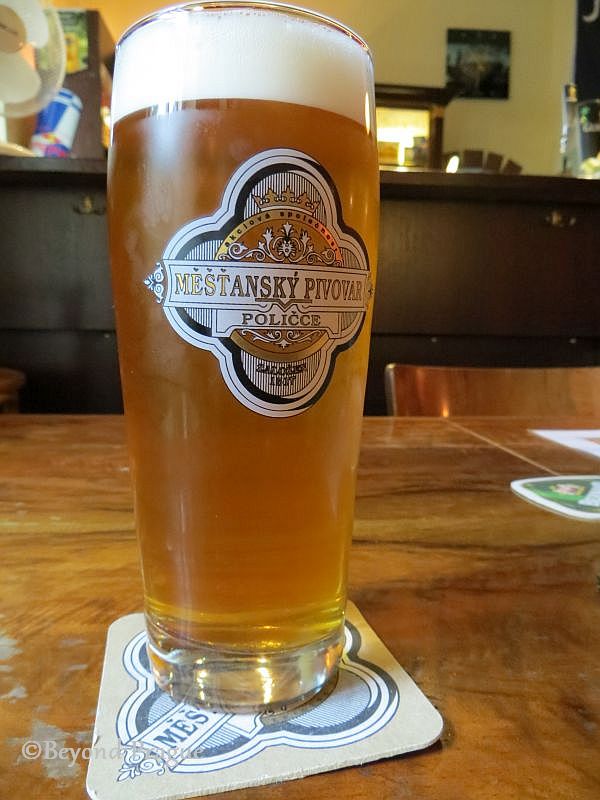
Still Proudly Czech
Alongside the multinational players, a number of small- to medium-sized Czech breweries remain independently owned and widely respected. These breweries often maintain traditional methods and offer a more regionally distinct experience.
Examples include Bernard, Dalešice, and Poutník in the Vysočina region; Polička and Primátor in eastern Bohemia; Litovel in Moravia; and Svijany in the north. Notably, Svijany returned to Czech ownership in 2010 after a period of foreign control.
The plus of these breweries is that their traditional recipies have remained largely intact over the generations and will give you something much more authentic in the way of a traditional Czech lager experience.
These breweries strike a balance: large enough to compete with major brands, yet flexible enough to experiment. While lagers remain their core product, many now produce wheat beers, seasonal specials, and even ales to meet changing tastes.

The Microbrew Invasion
Over the past decade, microbreweries have reshaped the Czech beer scene. While the country remains overwhelmingly focused on lagers—still accounting for the vast majority of production—smaller breweries have expanded the range of available styles..
Microbreweries tend to focus on alternatives such as pale ales, IPAs, stouts, and other non-lager styles. This has provided options for drinkers looking for something different from traditional Czech offerings.
There also appears to be a generational shift in drinking habits. Younger Czechs often favour a quality-over-quantity approach, choosing fewer, stronger, or more distinctive beers rather than multiple pints of standard lager.
Microbreweries have also pushed established producers to innovate. In response, many traditional breweries have expanded their product lines or introduced new styles to remain competitive.
That said, experimentation can be a double-edged sword. While some craft beers are excellent, others can feel overly experimental or unbalanced. Additionally, craft beer culture has, in some circles, introduced a degree of exclusivity that contrasts with beer’s traditionally unpretentious image.

Battle of the Beers
In such a competitive environment, breweries have had to adapt.
In recent years, the big players have been exporting the idea of the traditional Czech “tankovna” or tank pub across Europe and it’s been a hit for them.
One notable development is the expansion of the “tankovna” concept, or tank beer pubs. Instead of delivering beer in kegs, breweries transport it in large tanks directly to pubs, where it is stored in copper containers connected to the taps. This system helps maintain freshness and consistency.
While long established in the Czech Republic, tank pubs have expanded into other European countries and have proven popular with consumers seeking a more authentic experience.
Closer to home, some large breweries have opened their own branded pubs and restaurant chains, offering a more controlled and upscale environment.
Meanwhile, smaller breweries continue to diversify their offerings, often introducing IPAs and other craft-style beers alongside traditional lagers. Microbreweries, for their part, largely compete by emphasizing uniqueness in both product and branding—while often still offering at least one lager to appeal to local tastes.

Beer Tourism
Beer tourism remains a major attraction in the Czech Republic. Breweries of all sizes frequently operate on-site restaurants where visitors can enjoy their products at peak freshness.
Many also offer guided tours, showcasing both modern production methods and historical equipment. These tours are often designed for groups, though individual visitors can sometimes join existing bookings.
While organized tour companies are available, it’s often more cost-effective to arrange visits directly through brewery websites. This approach also allows for greater flexibility and a more personalized experience.
Learning More
The Czech beer scene continues to evolve, and it will be interesting to see how it develops in the coming years. Given the pace of change, a future follow-up may well be needed.
For further reading, recent articles from Radio Prague explore changing drinking habits and the spread of tank beer pubs across Europe.
Radio Prague Article about Czech Attitudes to Beer
Radio Prague Article about Tankovna Pubs
You can also revisit my first article for a broader overview of Czech beer, as well as my piece on visiting the Dalešice brewery for a closer look at the brewery tour experience.
Note: This article was originally published in December, 2017
 Beyond Prague