
A Castle, but Not…
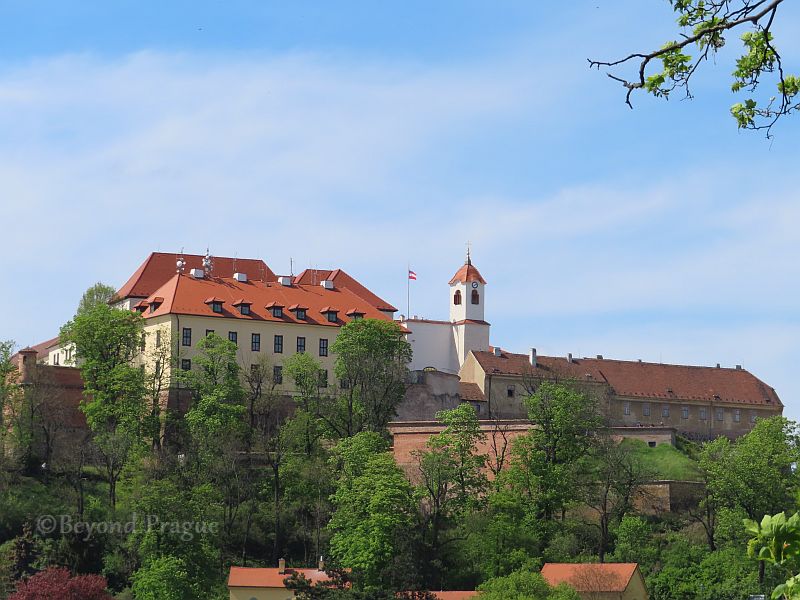
Some people come away from a visit to Špilberk rather disappointed, having expected something more grandiose.
Brno’s major landmark does suffer a bit from a degree misrepresentation as a result of many tourist information sources referring to it as a castle. Fortress is a much more accurate word for the structure and much more fitting to its turbulent and often dark history.
In over 700 years of existence, this structure has been a castle, fortress, prison and military barracks prior to the museum it is today.
Let’s take a look at this Brno landmark in proper context:

Seven Centuries of Change
When it was established in the mid 13th century, Špilberk was indeed a castle by definition and a seat to royalty until the end of the 15th century.
During the Thirty Years War, the fortifications of the castle and town were improved. This marked the beginning of the transformation from castle to fortress, a process which concluded in the mid 18th century and resulted in Špilberk becoming the largest and most important fortress in Moravia.
While use as a prison had always been part of Špilberk’s history, that purpose took on new importance from the early 1600s until it ceased serving as a prison in 1855 . It earned the nickname “The Prison of Nations” and was notorious as the harshest prison in the Austro-Hungarian empire. Many inmates were true criminals while many more were political dissidents to the Habsburg empire.
Notable inmates at Špilberk included many members of the Carbonari, a secret organisation that operated during the Italian unification that took place in the early to mid 1800s. The Carbonari pushed for the formation of a single Italian state that could succesfully stand against Habsburg rule in the region.
The poet, Silvio Pellico, was one of the Carbonari inmates and spent eight years at Špilberk. He spent much of his time writing and brought the fortress to Europe wide attention when he published the book “My Prisons” in 1832, two years after his release.
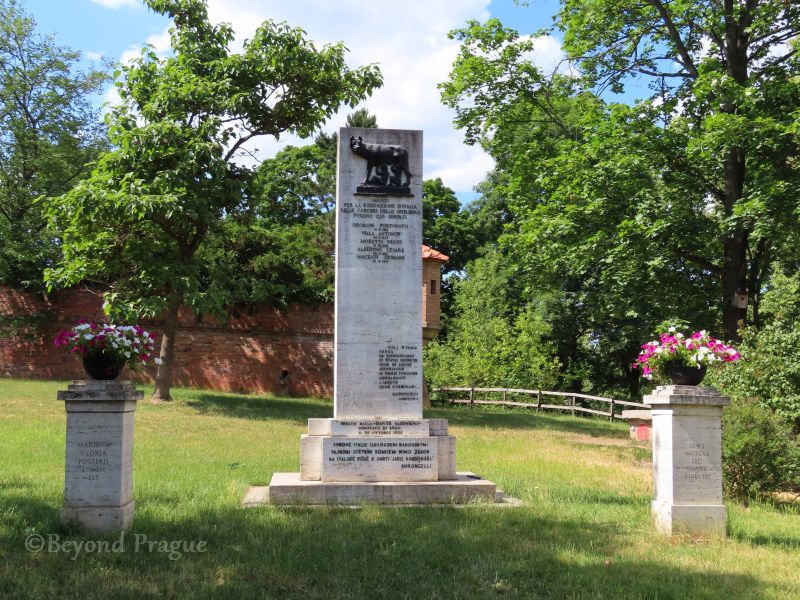
The legacy of the Carbonari and Pellico can still be found in the vicinity of the fortress. Near the entrance gate is a stone monument dedicated to the Carbonari prisoners and a street bearing Pellico’s name runs around part of the hill that Špilberk stands on.
Shortly after use as a prison ended, the fortress was converted to military barracks, a purpose it would serve for roughly a century. Notoriety continued to hang over Špilberk during that period; both military prisoners and civilian objectors to Austro-Hungarian rule were held there during the First World War.
World War Two saw Špilberk used by German forces as a both a barracks and a transfer point for those being sent to concentration camps.
From the end of the Second World War until 1960, the Czechoslovak army used the fortress as barracks.
Špilberk Today
After seven centuries of changing functions and forms, the current structure bears little to no resemblance to the true castle it began life as. It is a fortress and should be referred to as one.
Since 1960, it has been the seat of the Brno City Museum and hosts a collection of permanent exhibitions directly linked to the fortress and its history as well as a regular rotation of temporary exhibitions and art installations.
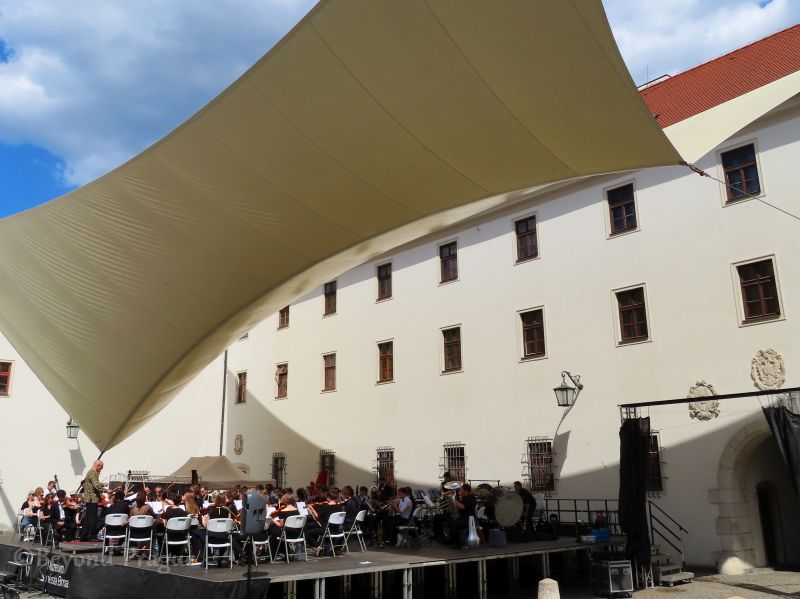
In the summer months, the fortress hosts cultural activities such as outdoor concerts and theatre, festivals and summer cinemas.
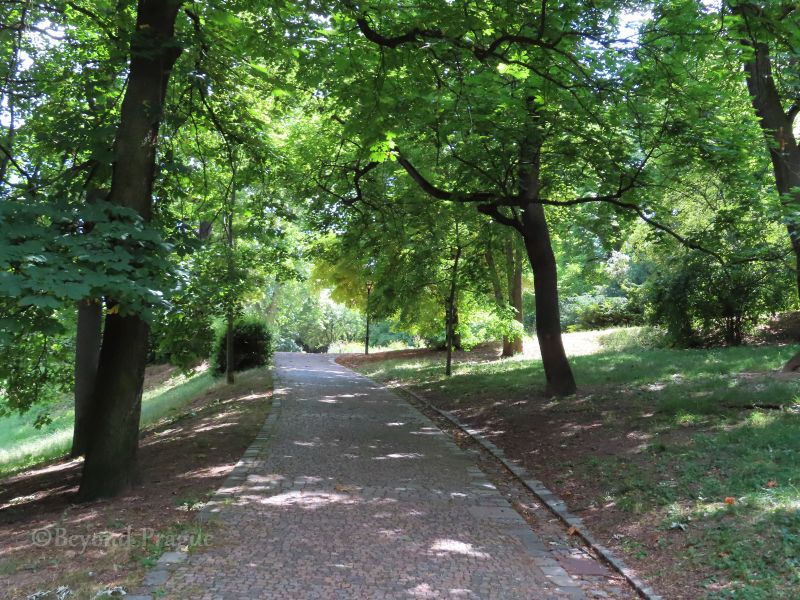
The hill the fortress stands on is a well landscaped park that offers good views of the city’s cathedral and older sections of the city. It’s an enjoyable place to spend some time on a pleasant day and is one more example of how Brno balances urban development with green spaces.
Paying a Visit and Learning More
Špilberk, given its location in the centre of Brno, is easy to access and visit. The only caveat to that is that there is an uphill walk to get through the park to the fortress and then some staircases to climb once you reach the fortress.
Happily, the park has many benches and other places to rest and there are a few cafés within the fortress walls where you can refresh yourself after all the uphill walking and stairs to get there.
The park that surround the fortress is free to enter at any time. The exteriors of the fortress and the interior courtyard are free to enter and wander around in during public hours.
There are a couple of guided tours of the castle and casemates that you can buy tickets to go on.
Špilberk has, unfortunately, become one of the more popular places in Brno for people to hang love locks. Please don’t hang a lock if you visit the fortress, it’s rude and disresprectful.
For a fuller description of Špilberk, its history and transformations throughout that history, you can visit the official fortress website.
You can also find more on the tourist information websites of Brno and South Moravia.
 Beyond Prague